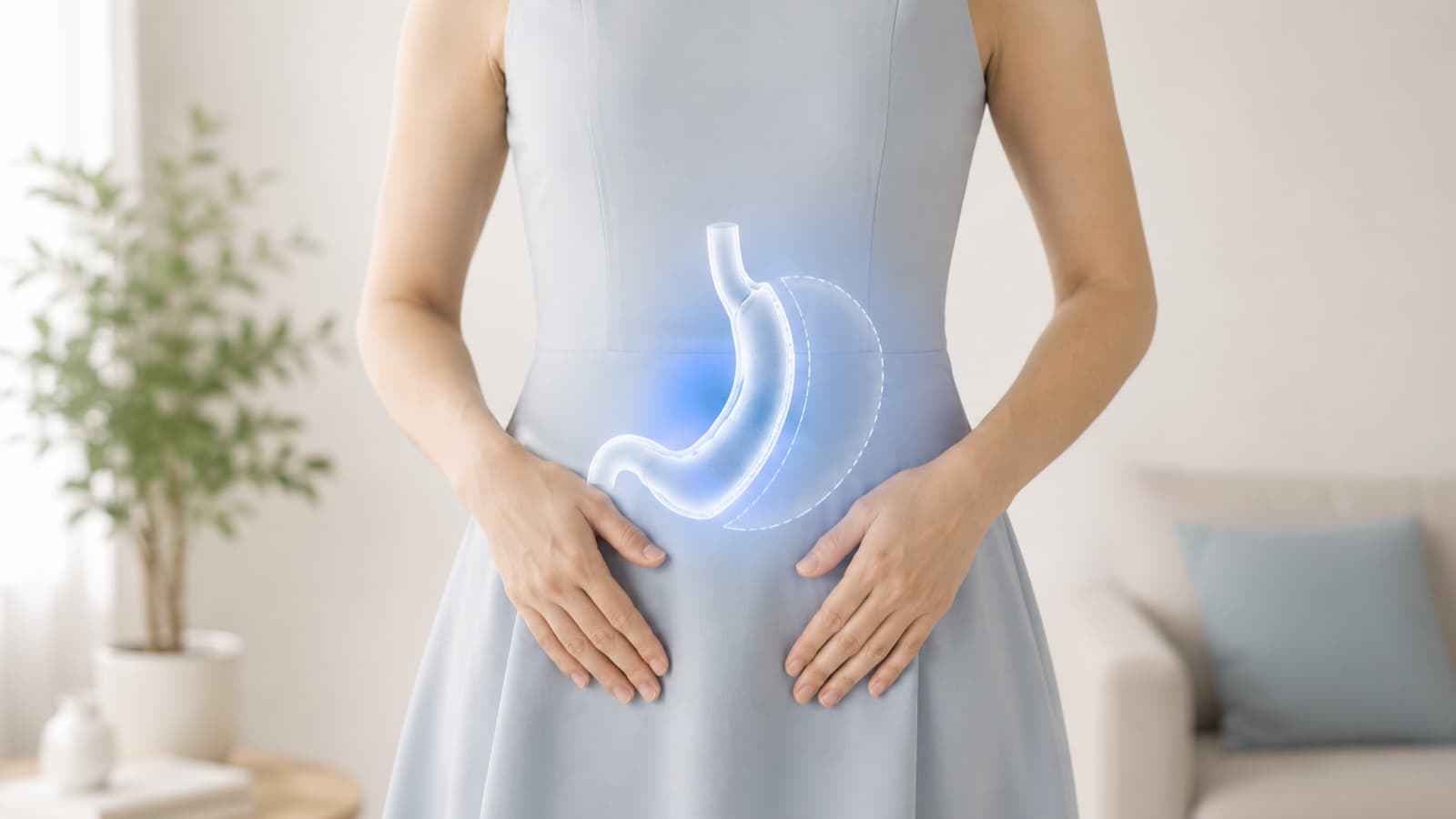
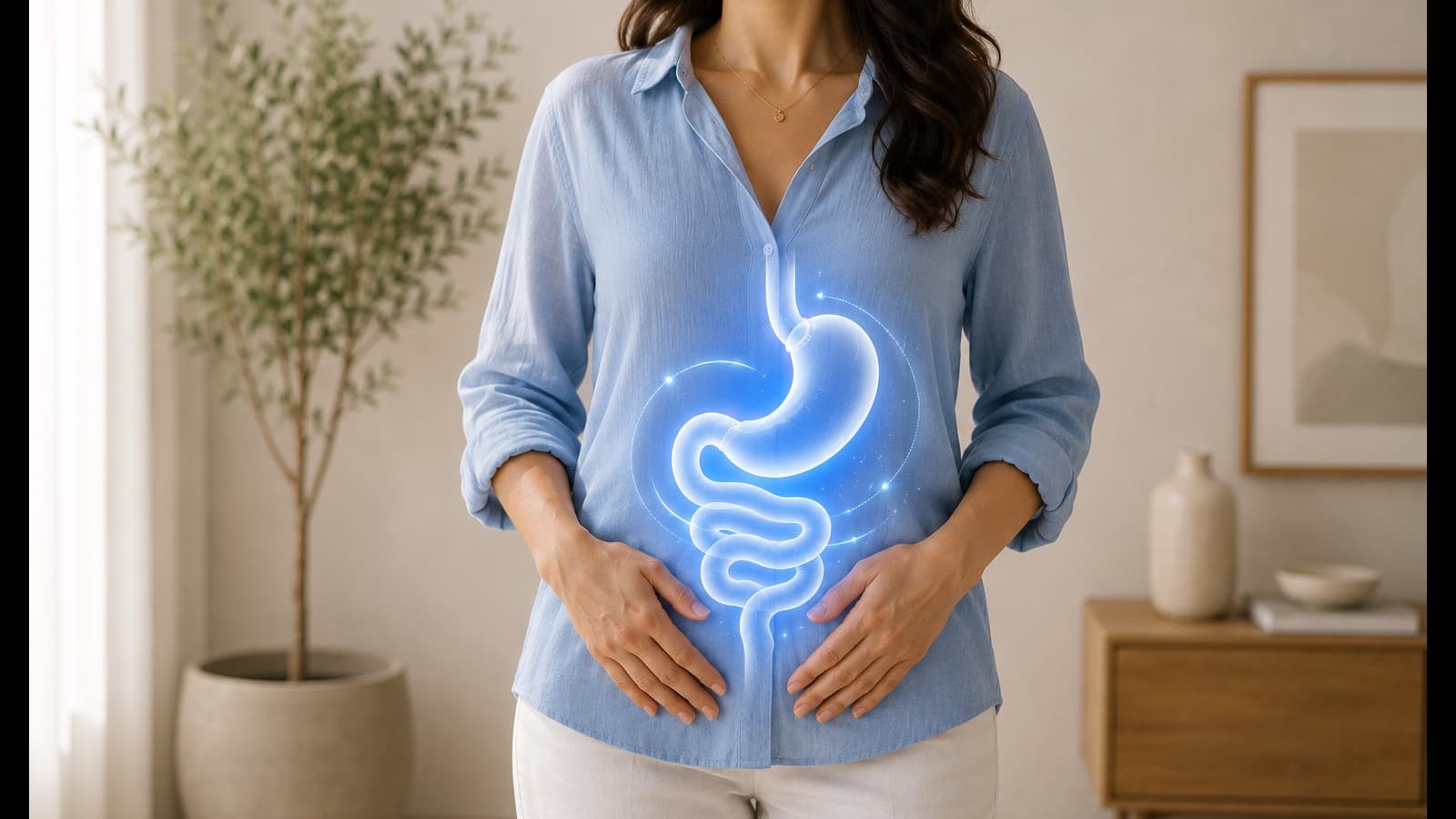
Gastric bypass (Roux-en-Y) is a laparoscopic weight-loss operation that creates a small stomach pouch and reroutes part of the small intestine. This both limits how much you can eat and reduces how many calories you absorb, producing strong, lasting weight loss and a powerful effect on type 2 diabetes and severe acid reflux.
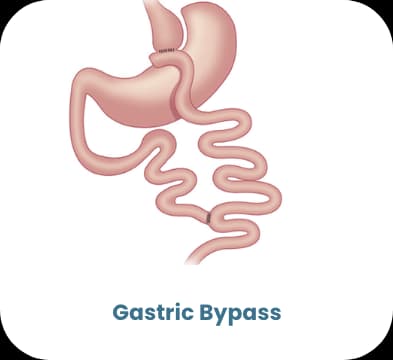
Gastric bypass divides the stomach into a small upper pouch and connects it directly to the lower small intestine, bypassing most of the stomach and the first part of the bowel. It is both restrictive (you eat less) and malabsorptive (you absorb fewer calories), which is why it often delivers the strongest metabolic results among bariatric procedures.
The operation is carried out laparoscopically through a few small incisions:
Assessment & preparation — blood tests, endoscopy and an anaesthetic review confirm fitness for surgery.
Pouch creation — a small stomach pouch (about the size of an egg) is formed.
Rerouting — the small intestine is divided and reconnected to the pouch in a Y-shape, bypassing the rest of the stomach and upper bowel.
Recovery — most patients walk the same day and stay 2–4 nights for monitoring.
You may be a suitable candidate if you:
Have a BMI of 40 or above, or 35+ with an obesity-related condition
Have type 2 diabetes or severe acid reflux that may respond especially well to bypass
Have not achieved lasting results with diet, exercise or medication
Are committed to lifelong nutrition, supplements and follow-up
Are healthy enough for general anaesthesia (ages ~18–65)
Days 1–3Hospital stay; walking the same day; liquid diet
Week 1Light daily activity; clear/full liquids
Weeks 2–4Pureed then soft foods
Weeks 4–6Transition to solid foods; full adaptation
Month 6+Exercise builds up; ongoing dietitian follow-up
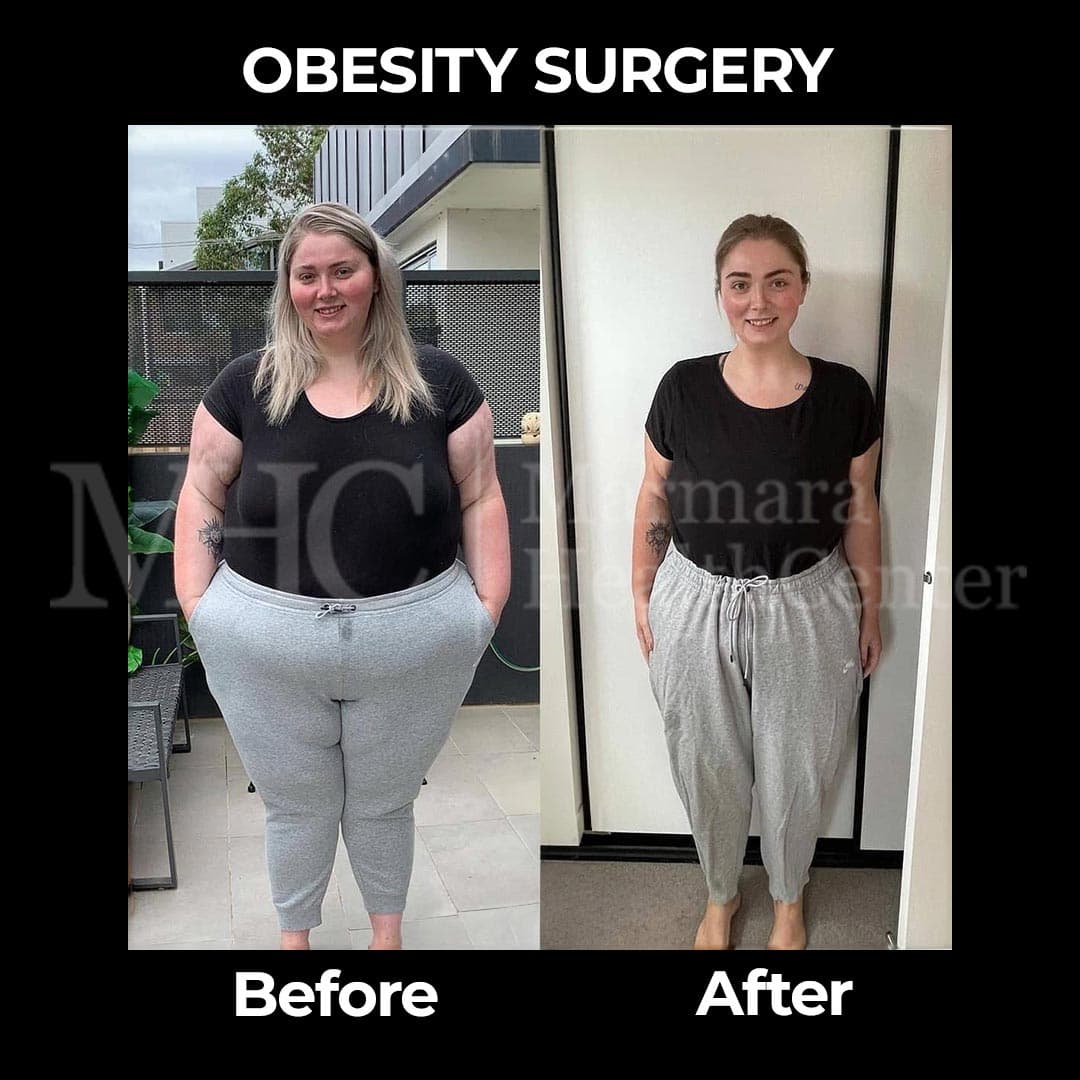
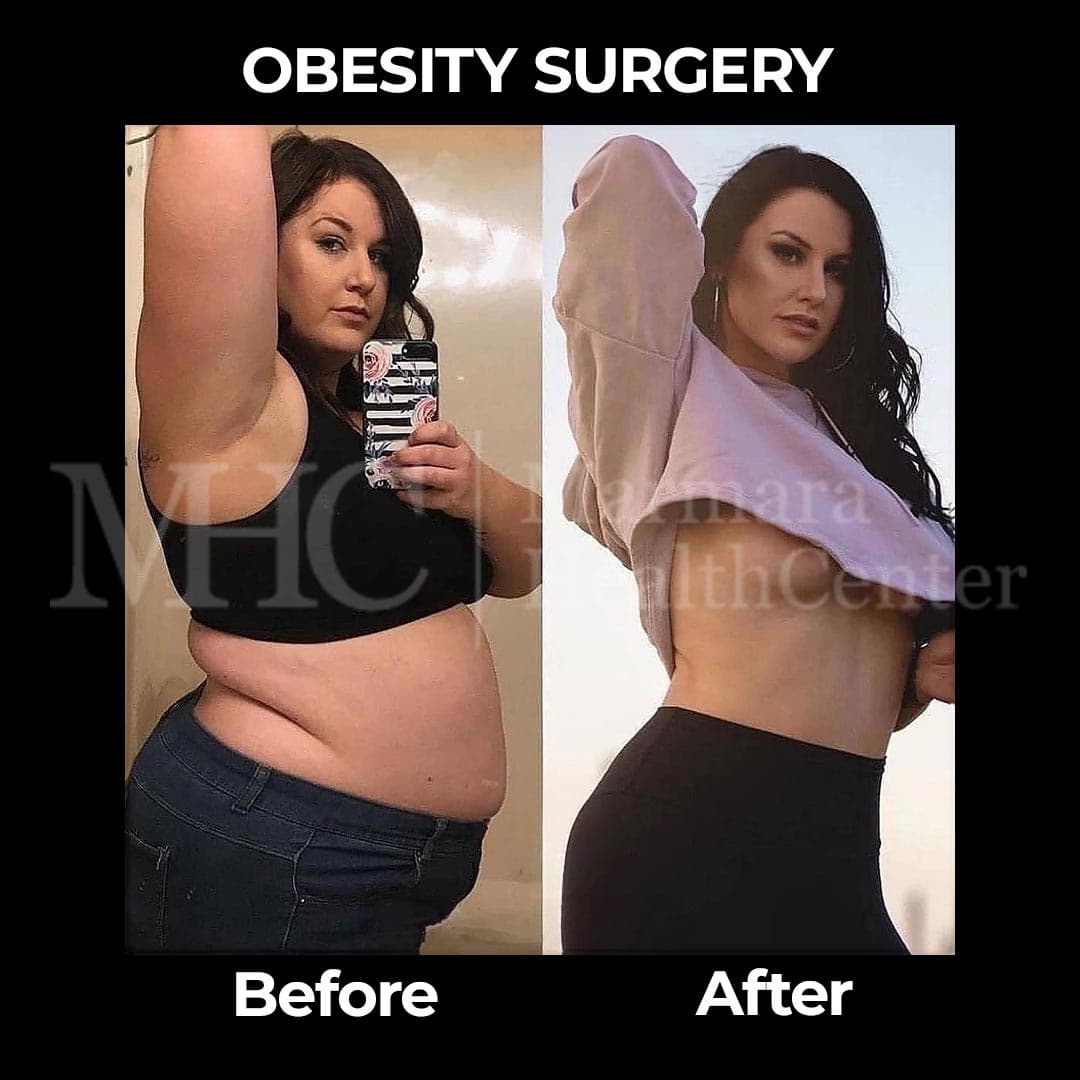
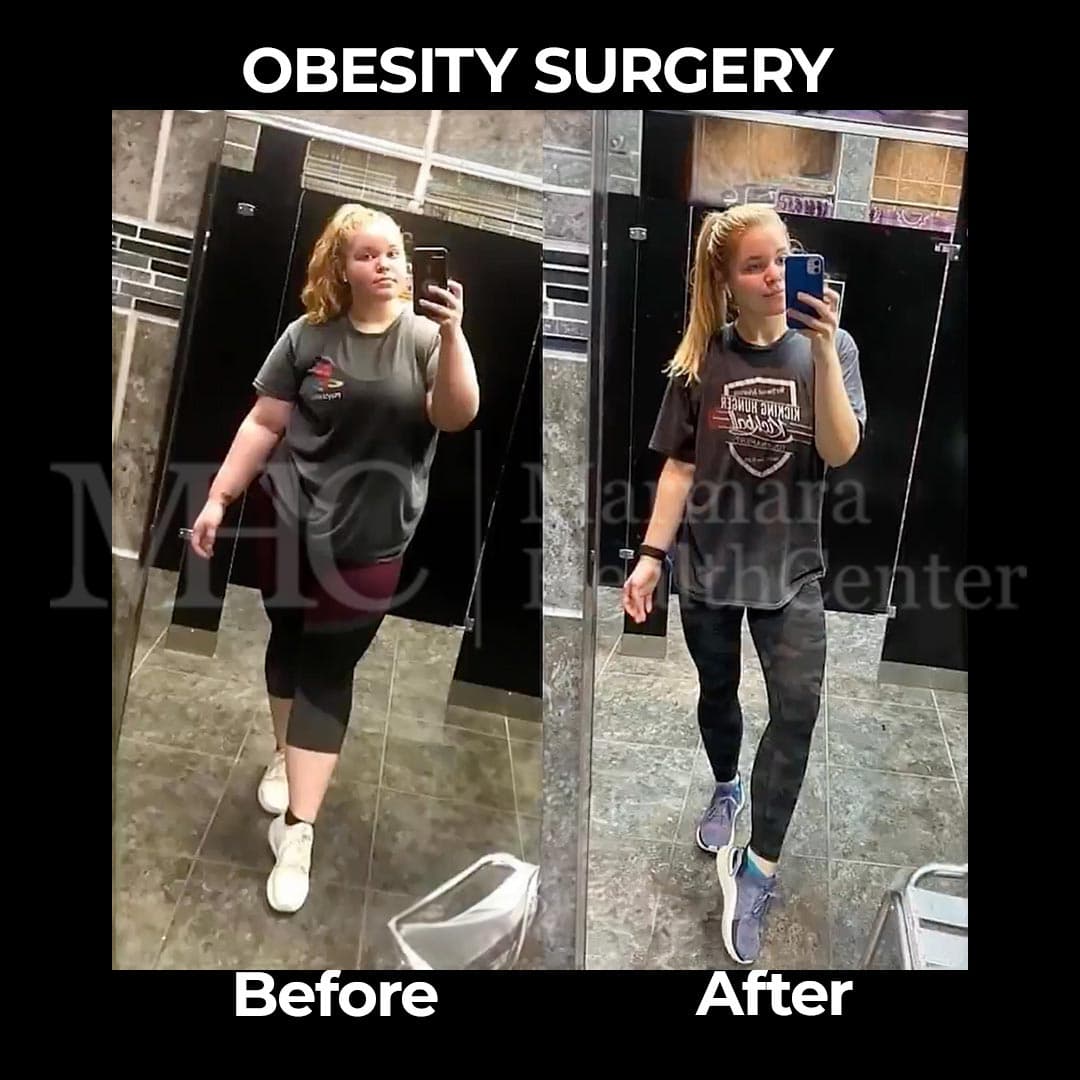
Many patients lose a large share of their excess weight within the first 12–18 months and see major improvements in blood sugar and blood pressure when they follow the plan.
Gastric bypass is a well-established procedure with a low complication rate in experienced centres, but it is more complex than a sleeve. Possible risks include bleeding, infection, a leak at a join (anastomosis), blood clots, internal hernia, marginal ulcers and “dumping syndrome.” Because absorption is reduced, lifelong vitamin and mineral supplements (iron, B12, calcium, vitamin D) and annual blood checks are essential.
Ministry-authorised health tourism — operating under the Republic of Türkiye Ministry of Health Health Tourism Authorization Certificate and a member of Health Türkiye.
Experienced multidisciplinary team — strong academic background and a high volume of successful procedures.
Accredited partner hospital — treatment in a fully equipped, modern clinical setting.
All-inclusive care — free online consultation, VIP airport transfers, accommodation, interpreter support and follow-up.