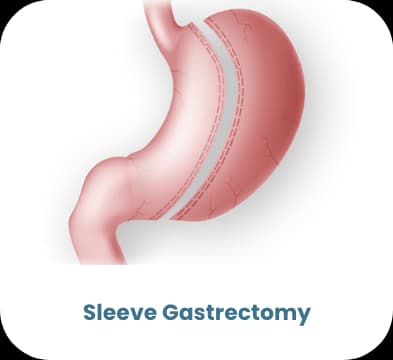
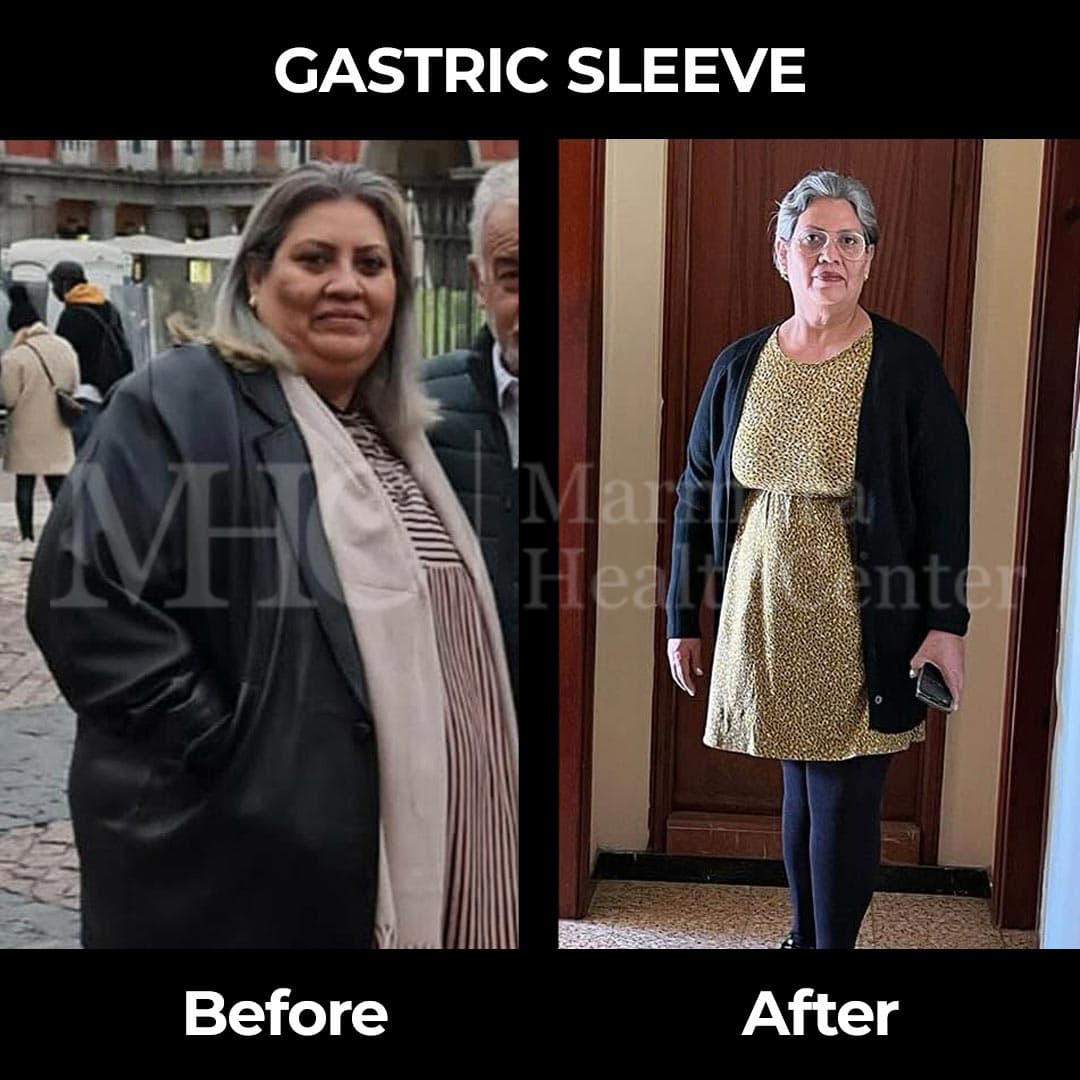
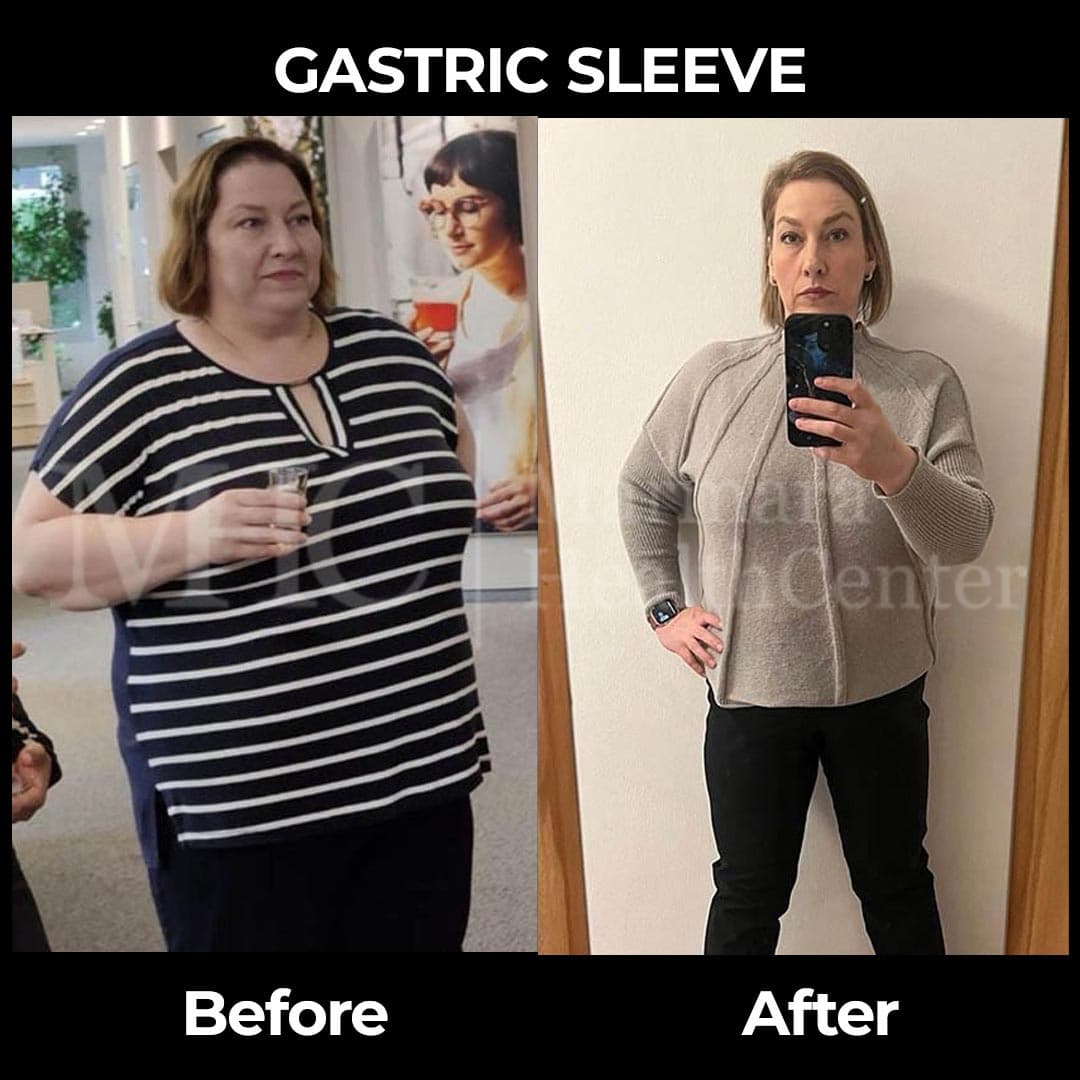
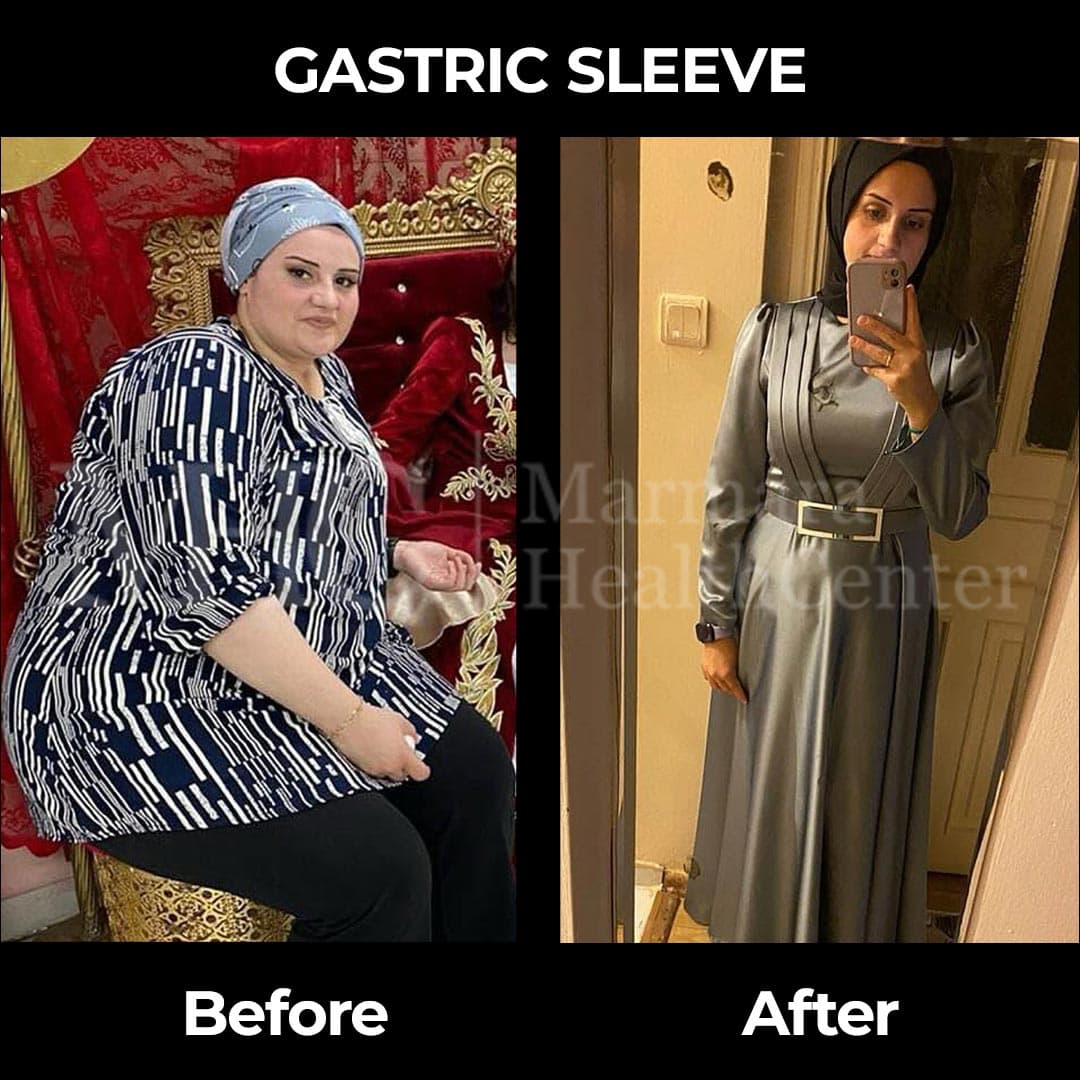
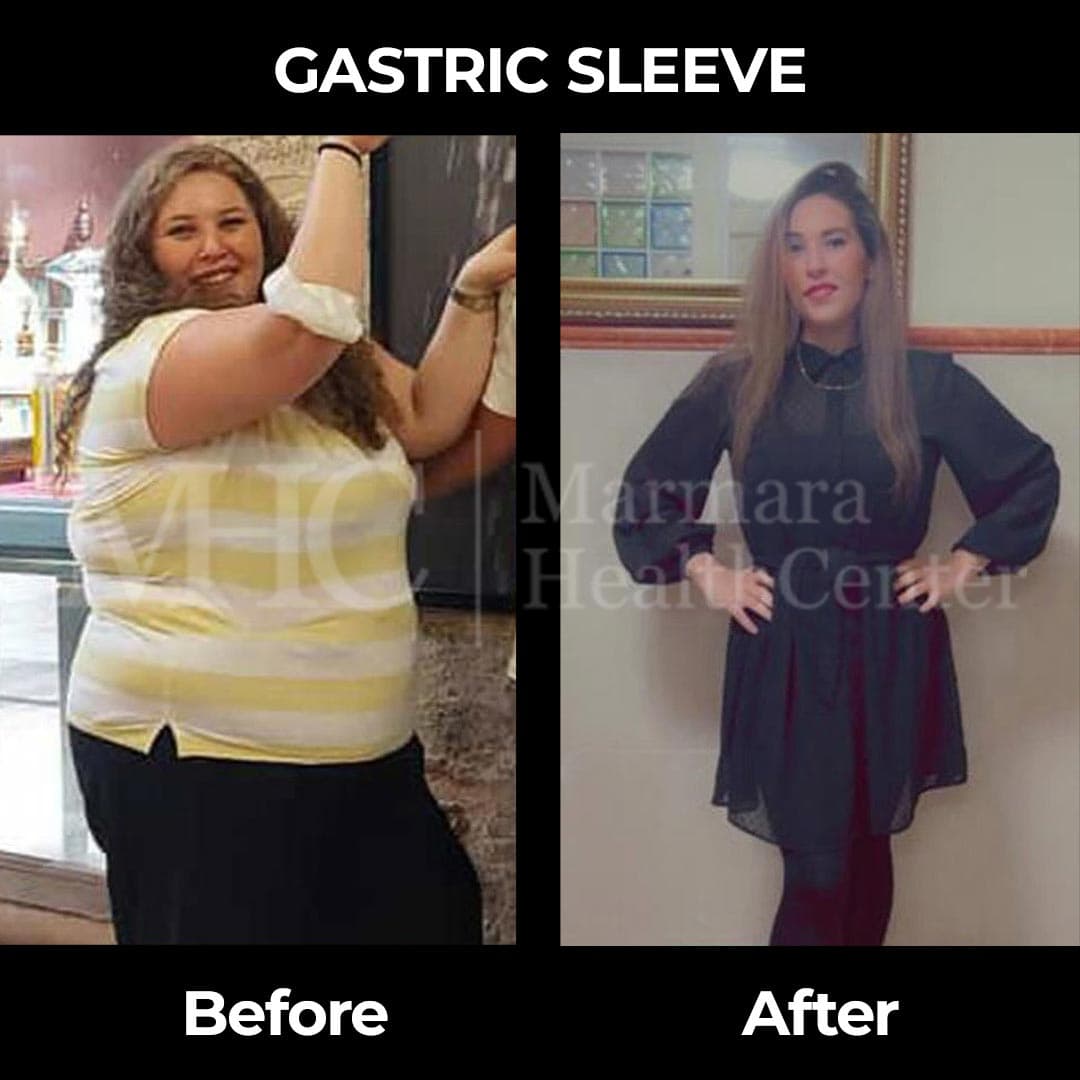
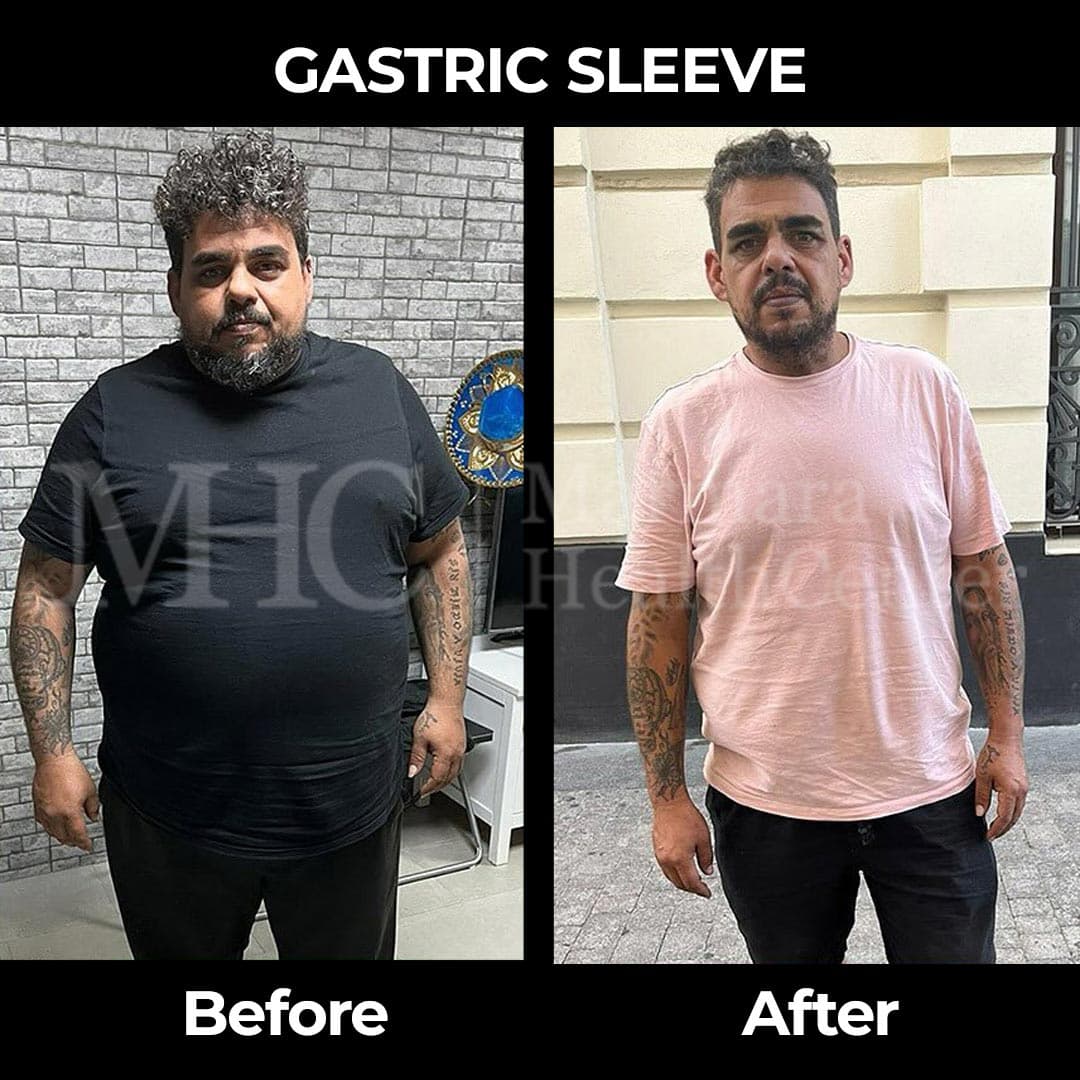
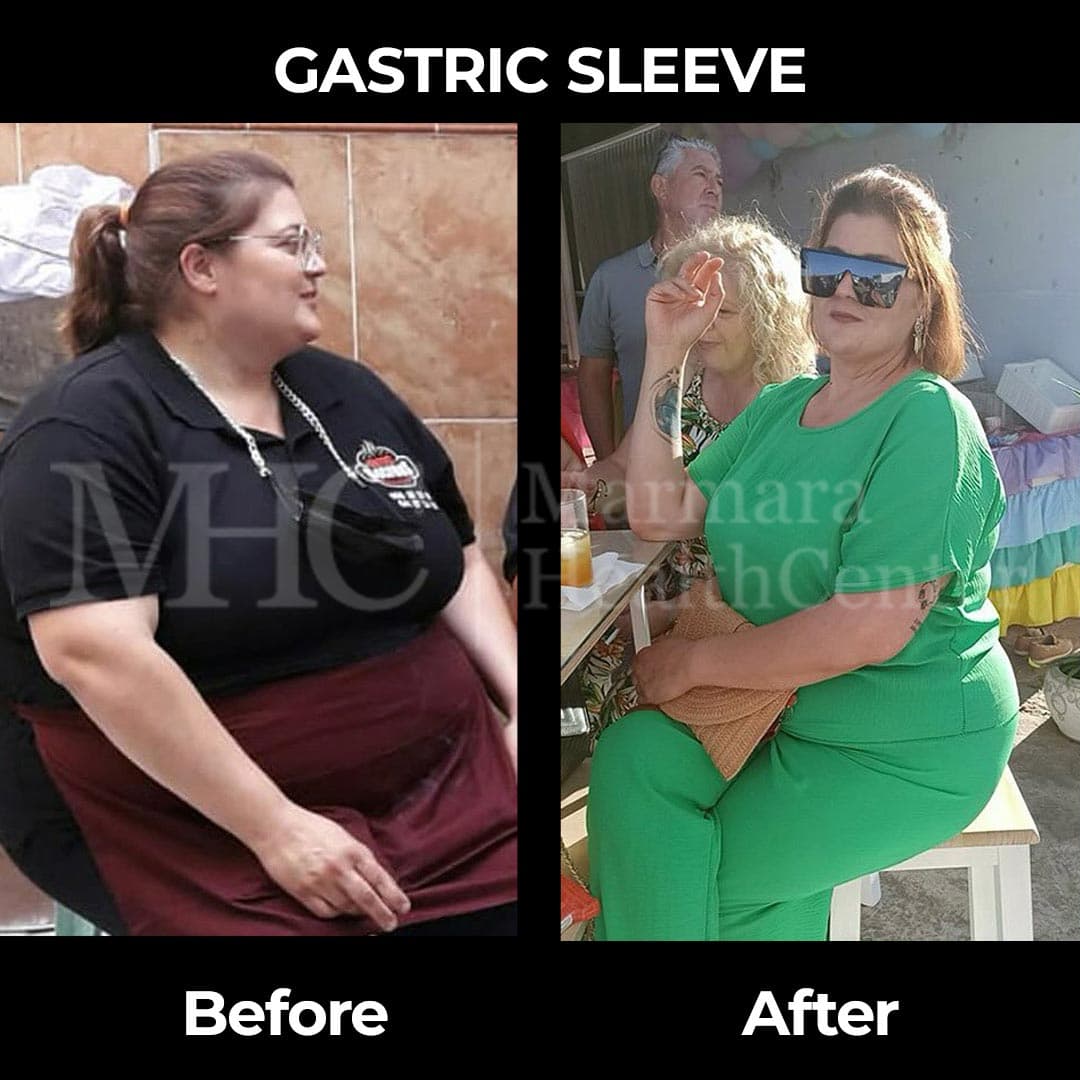
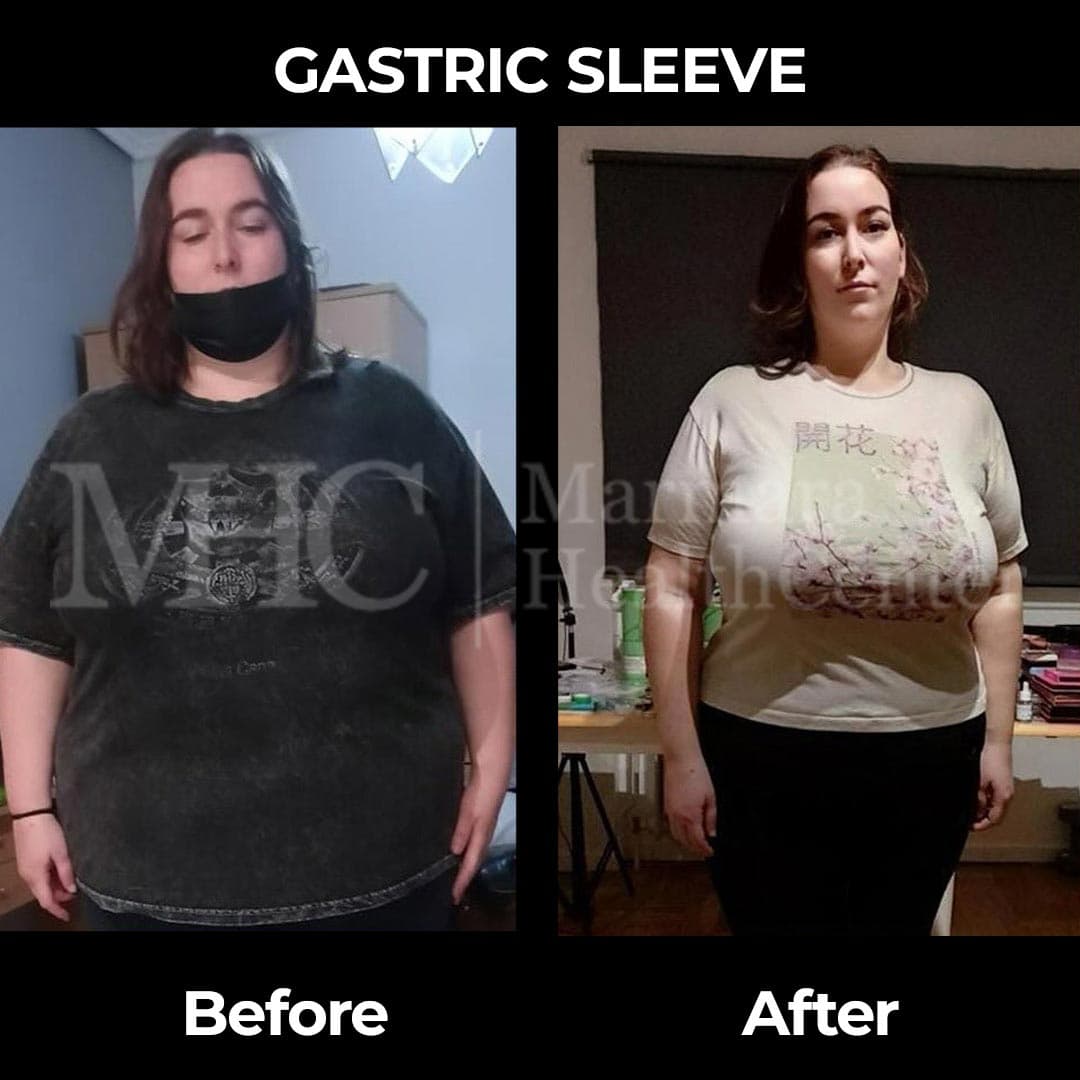
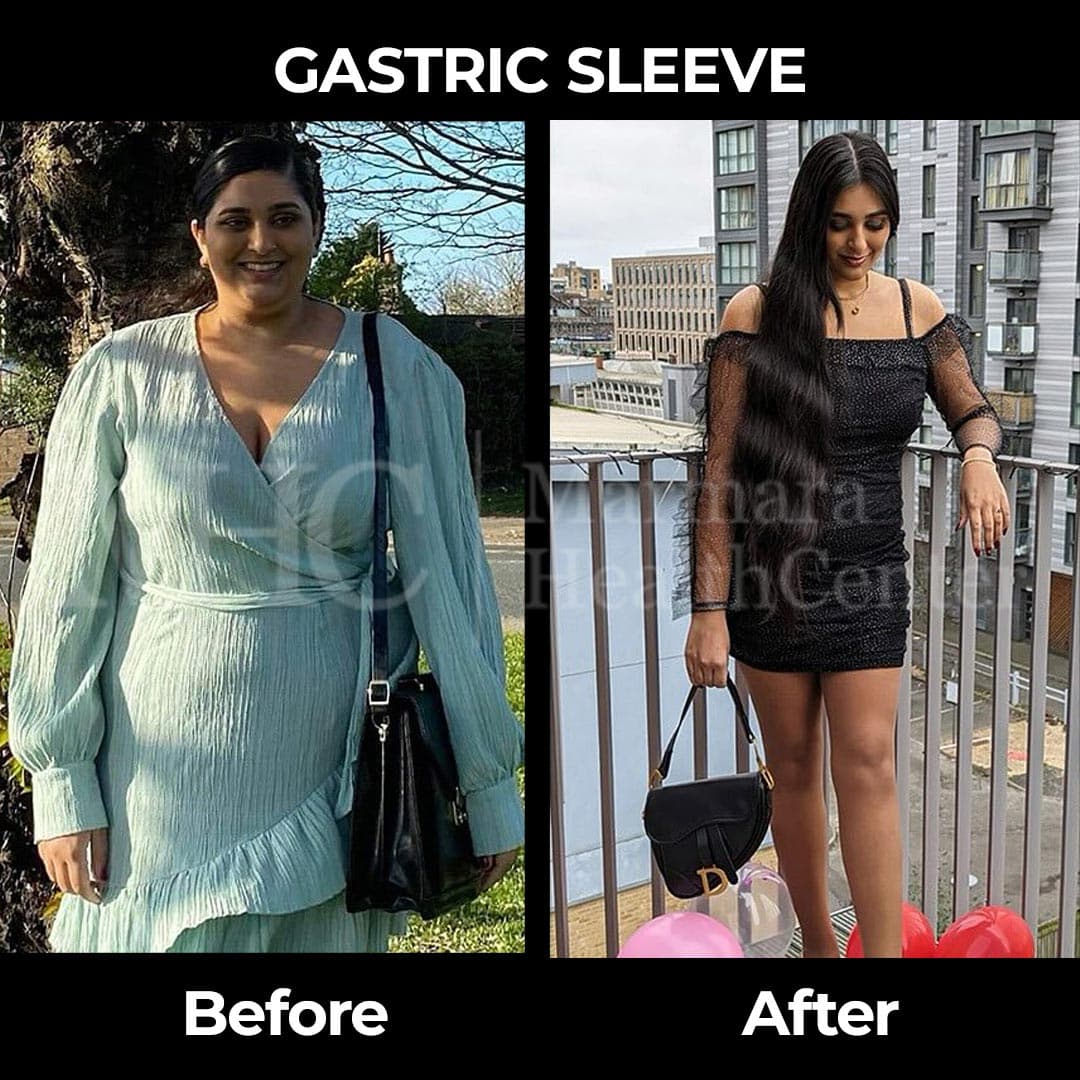
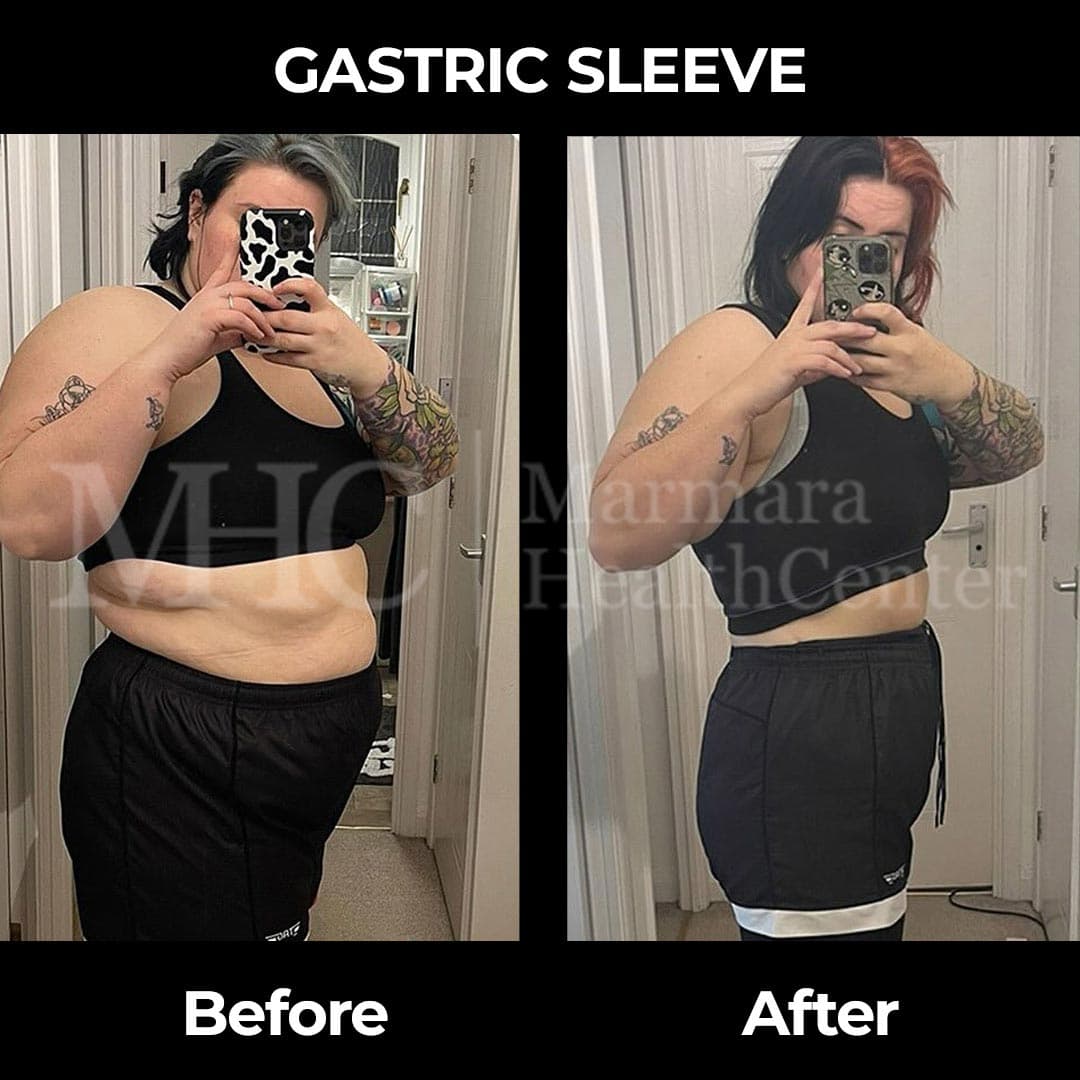
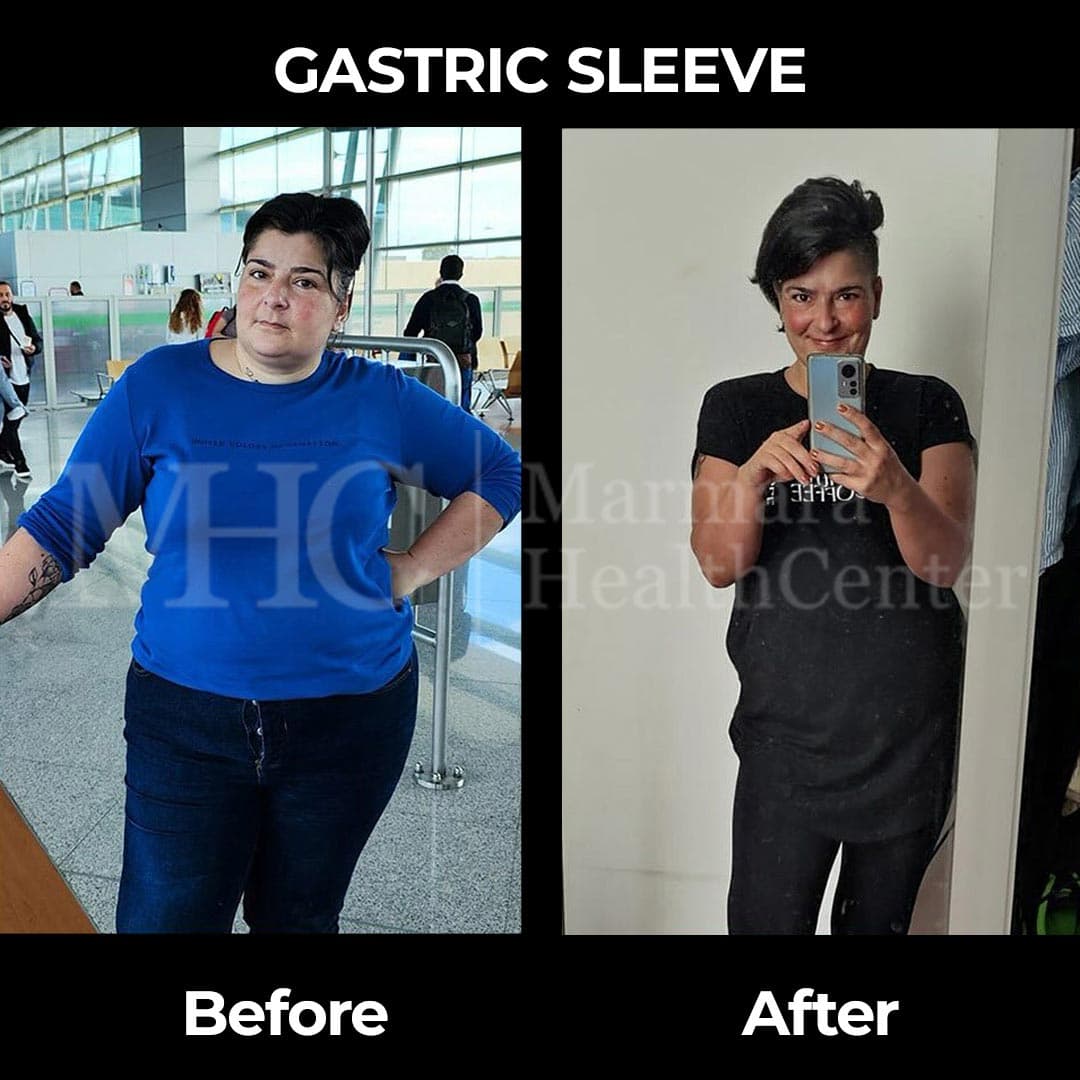
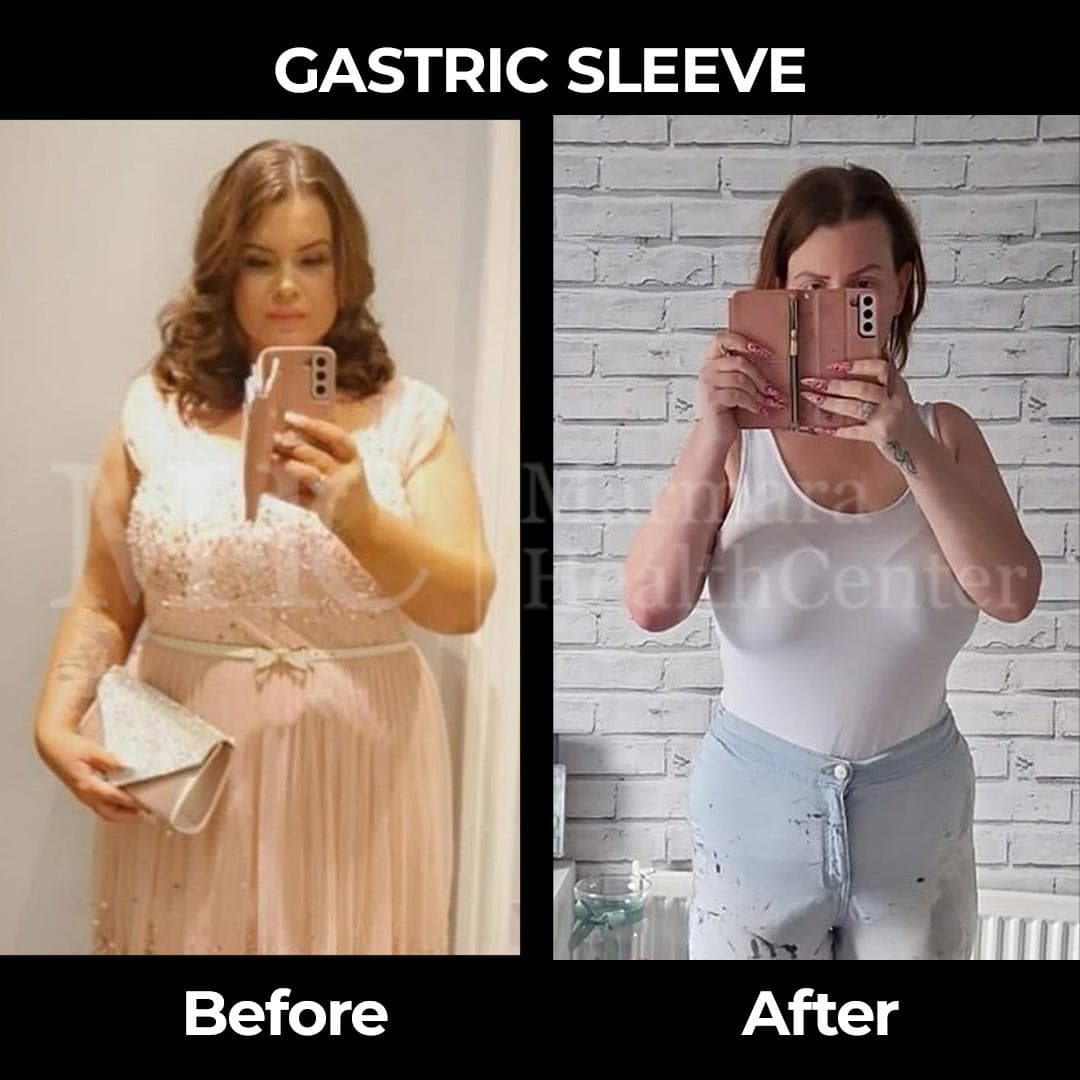
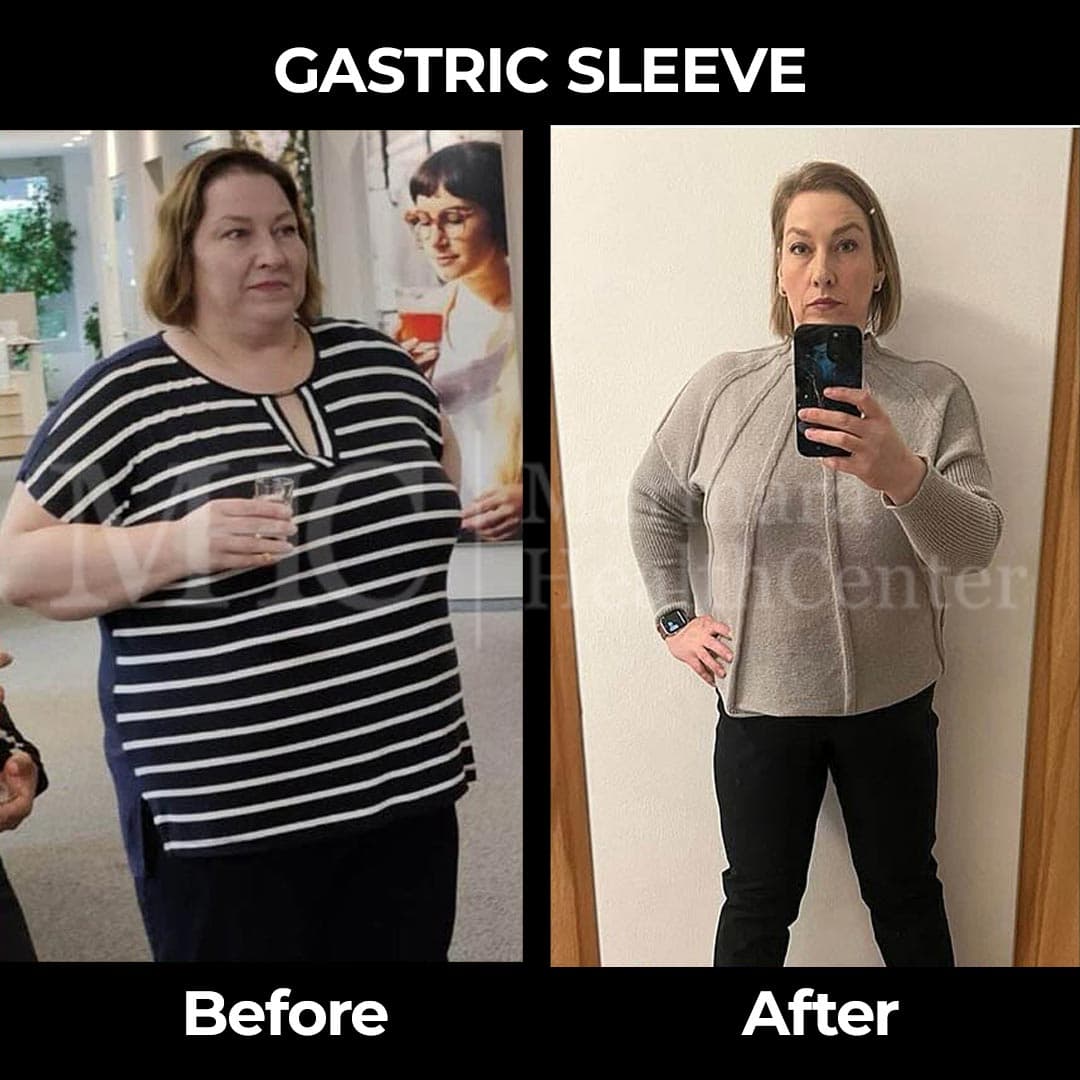
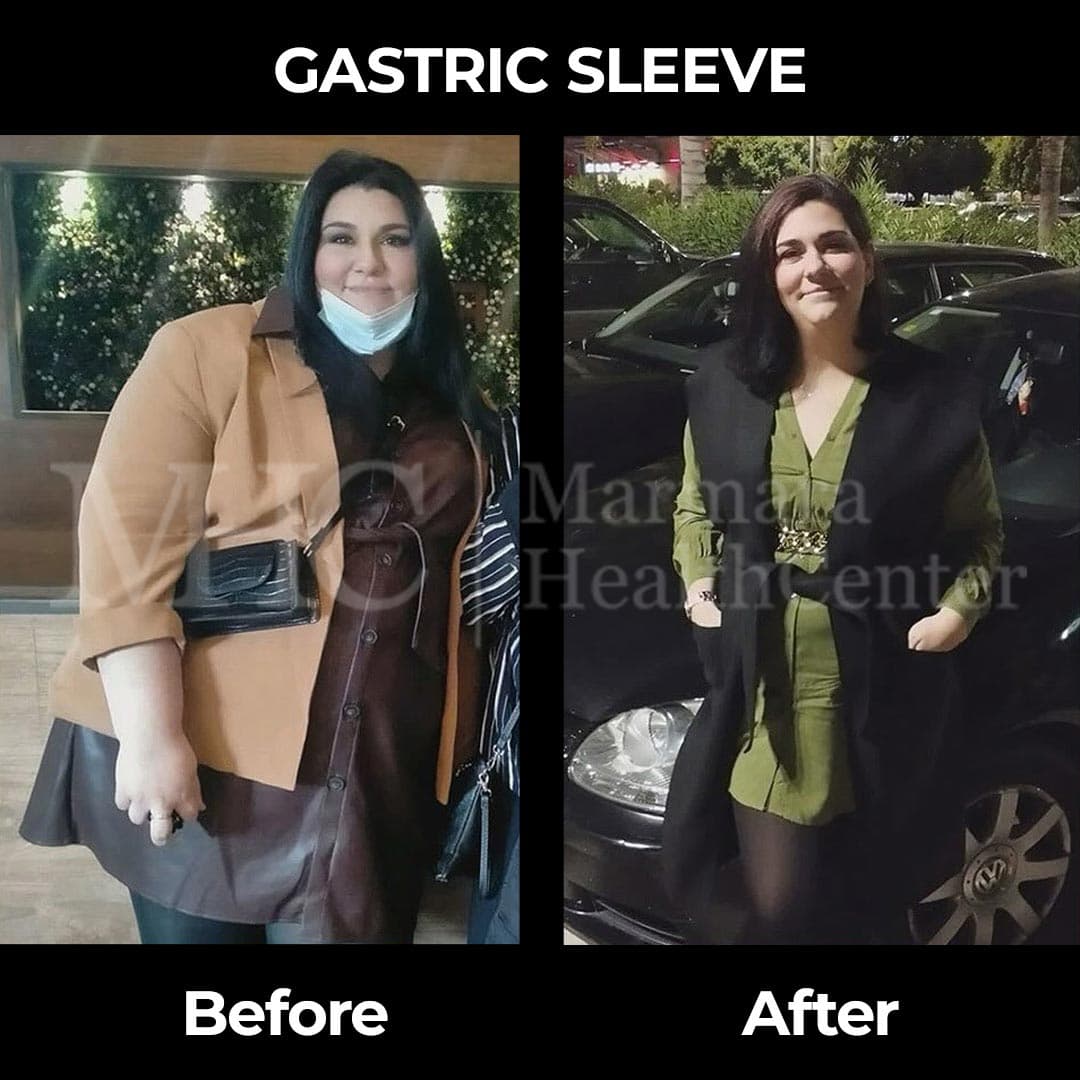
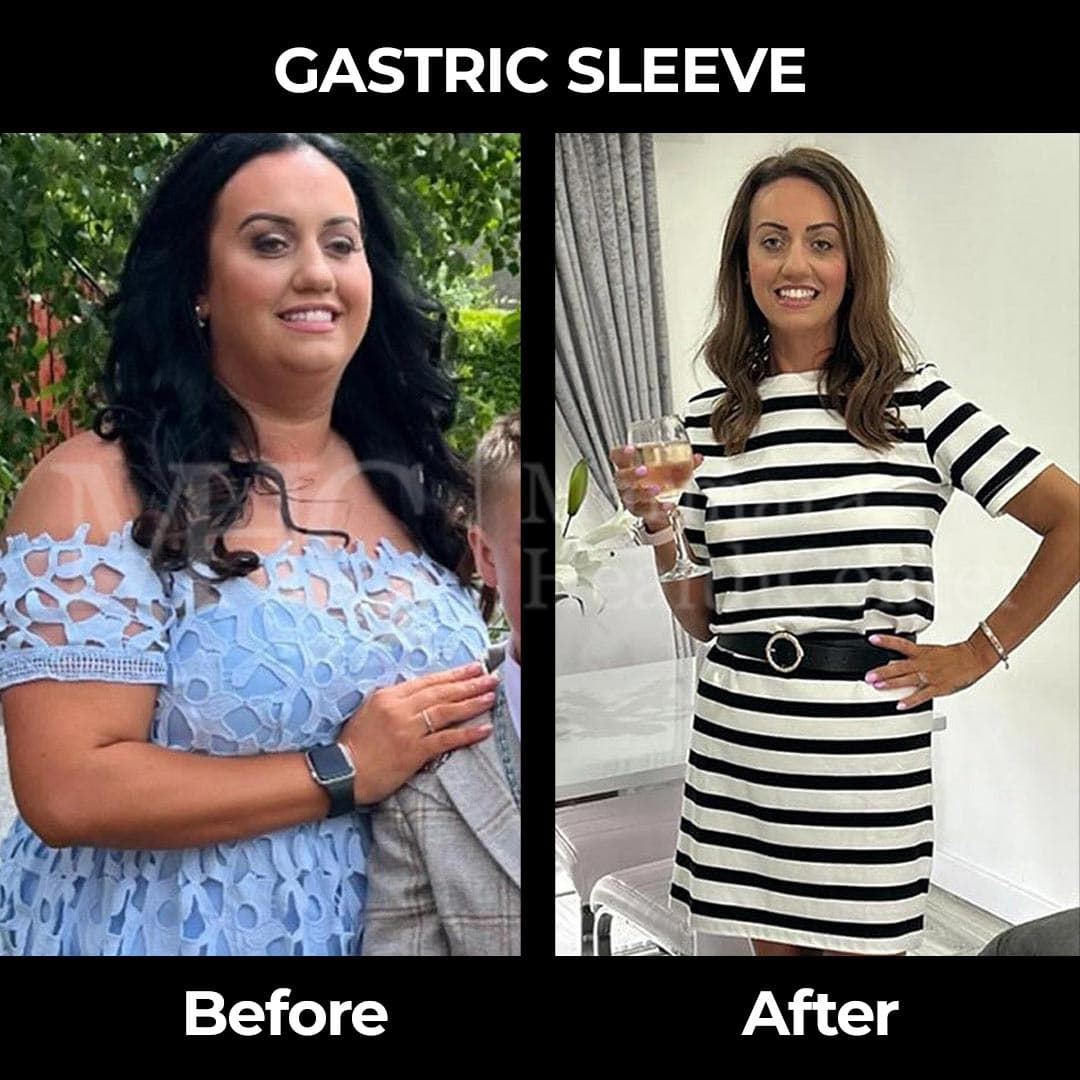
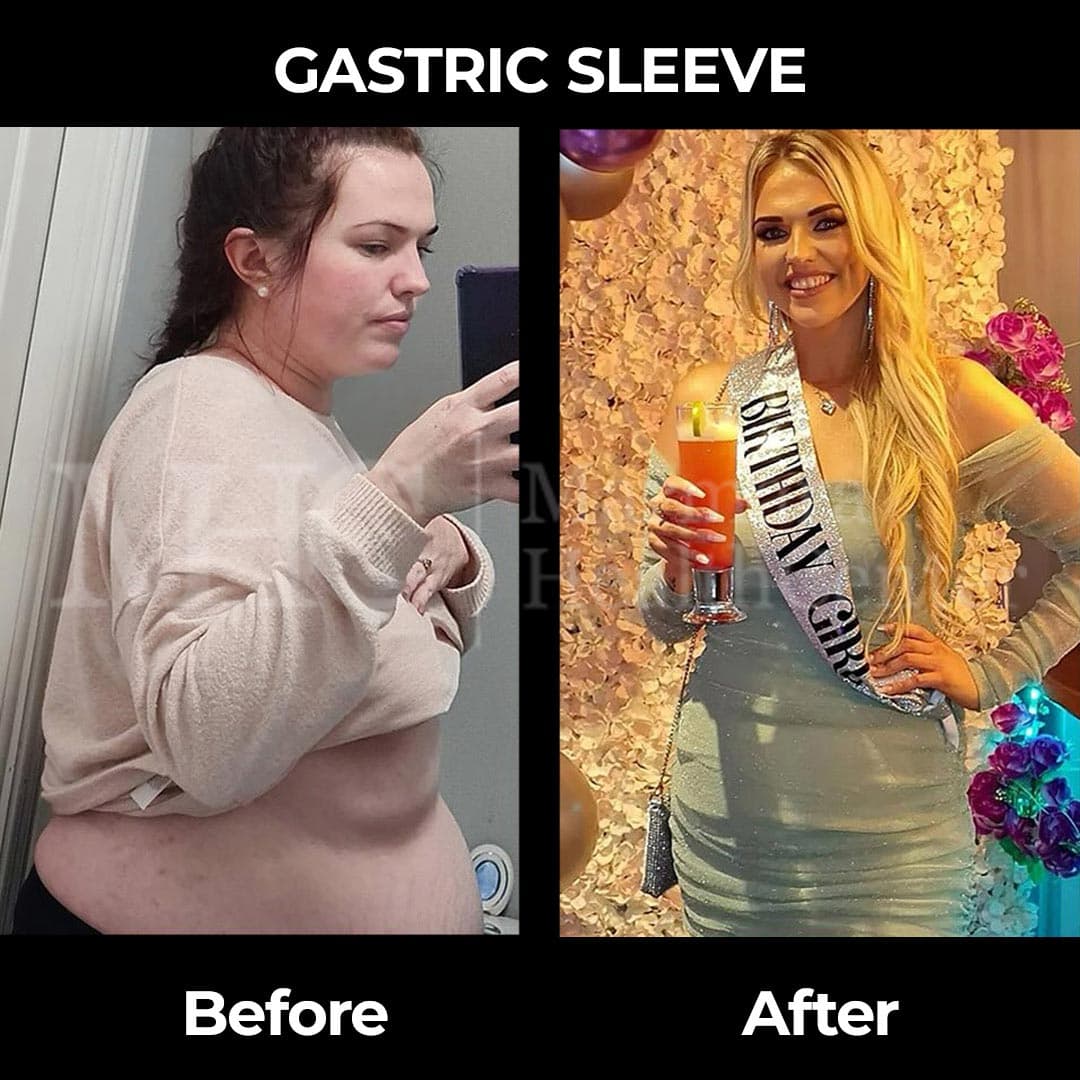
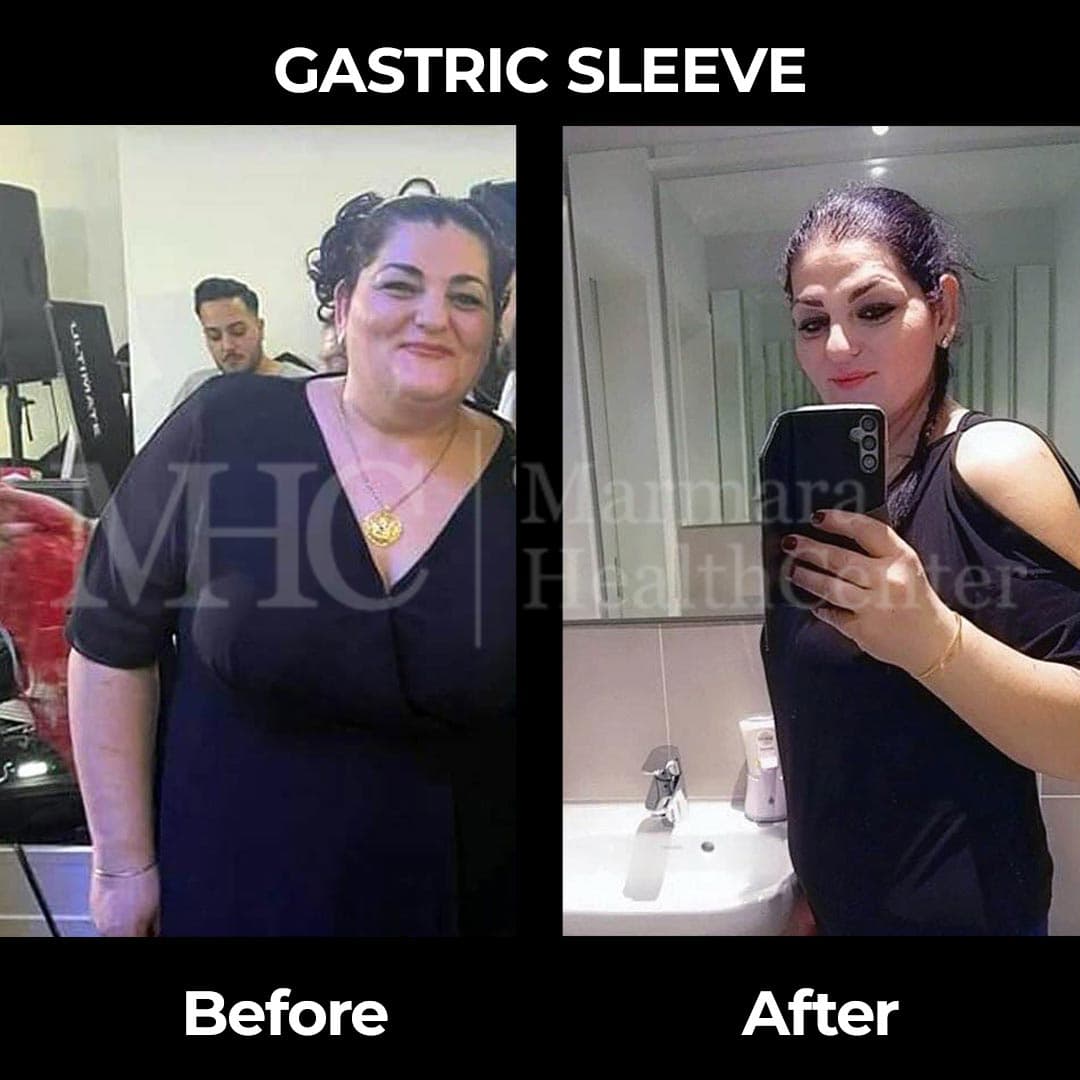
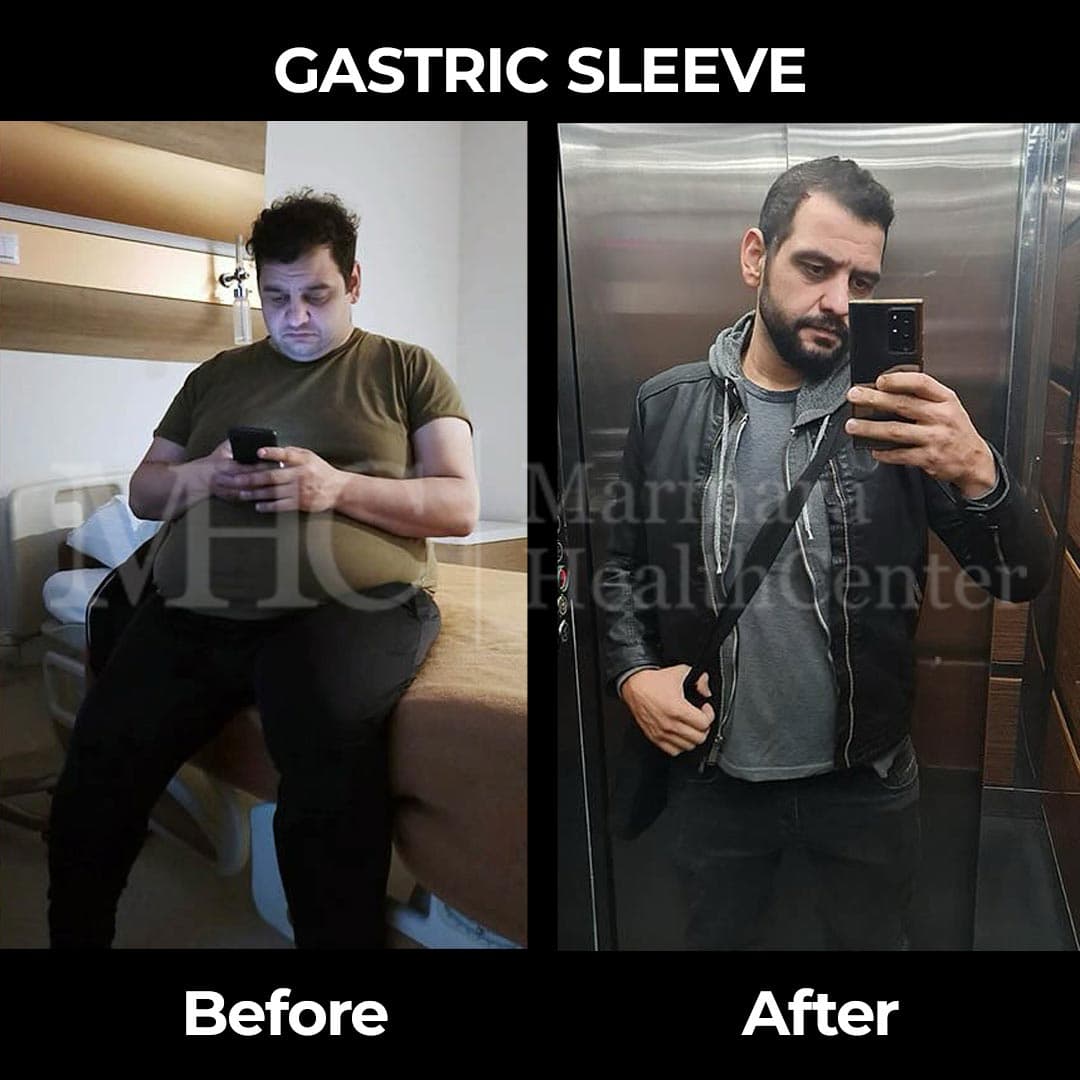
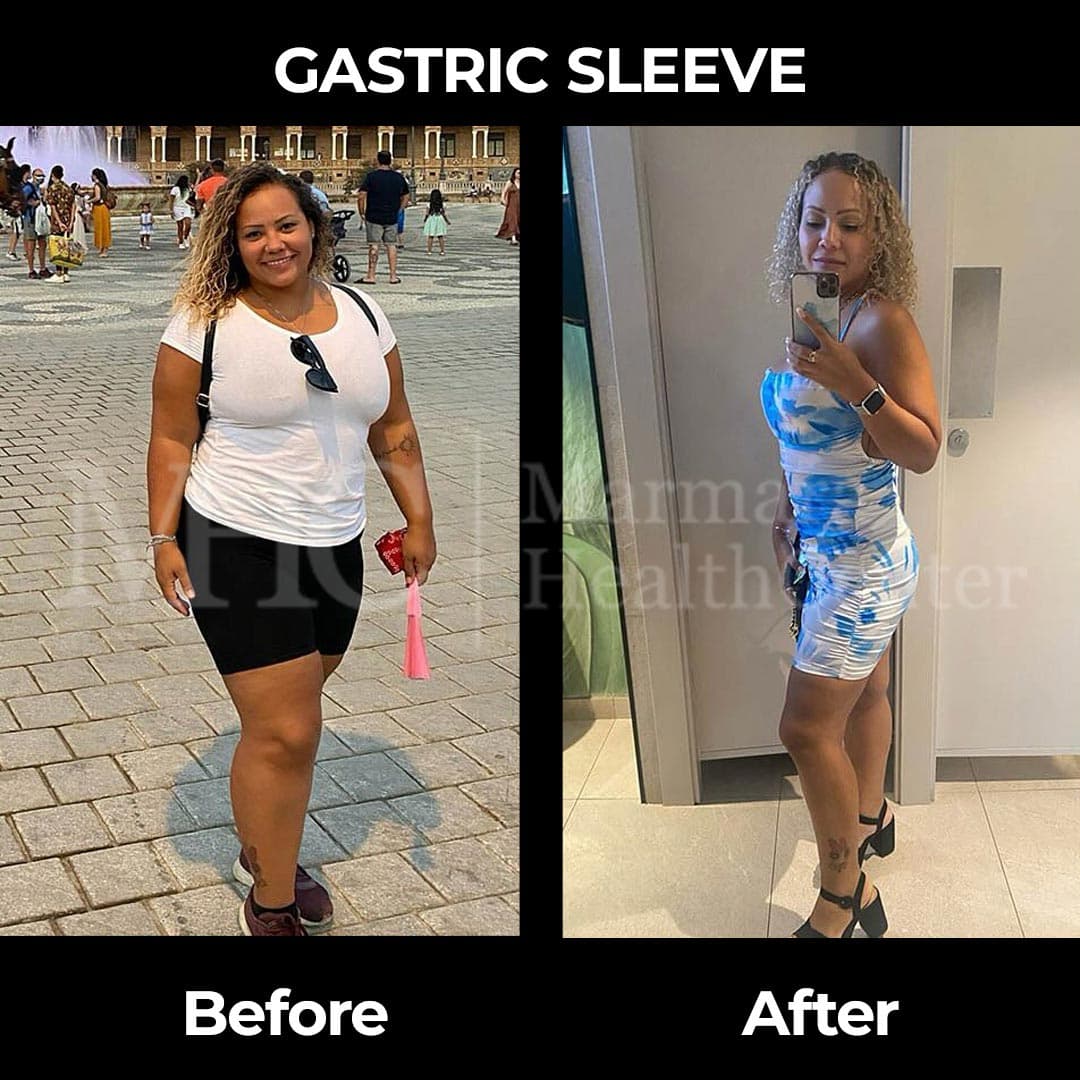
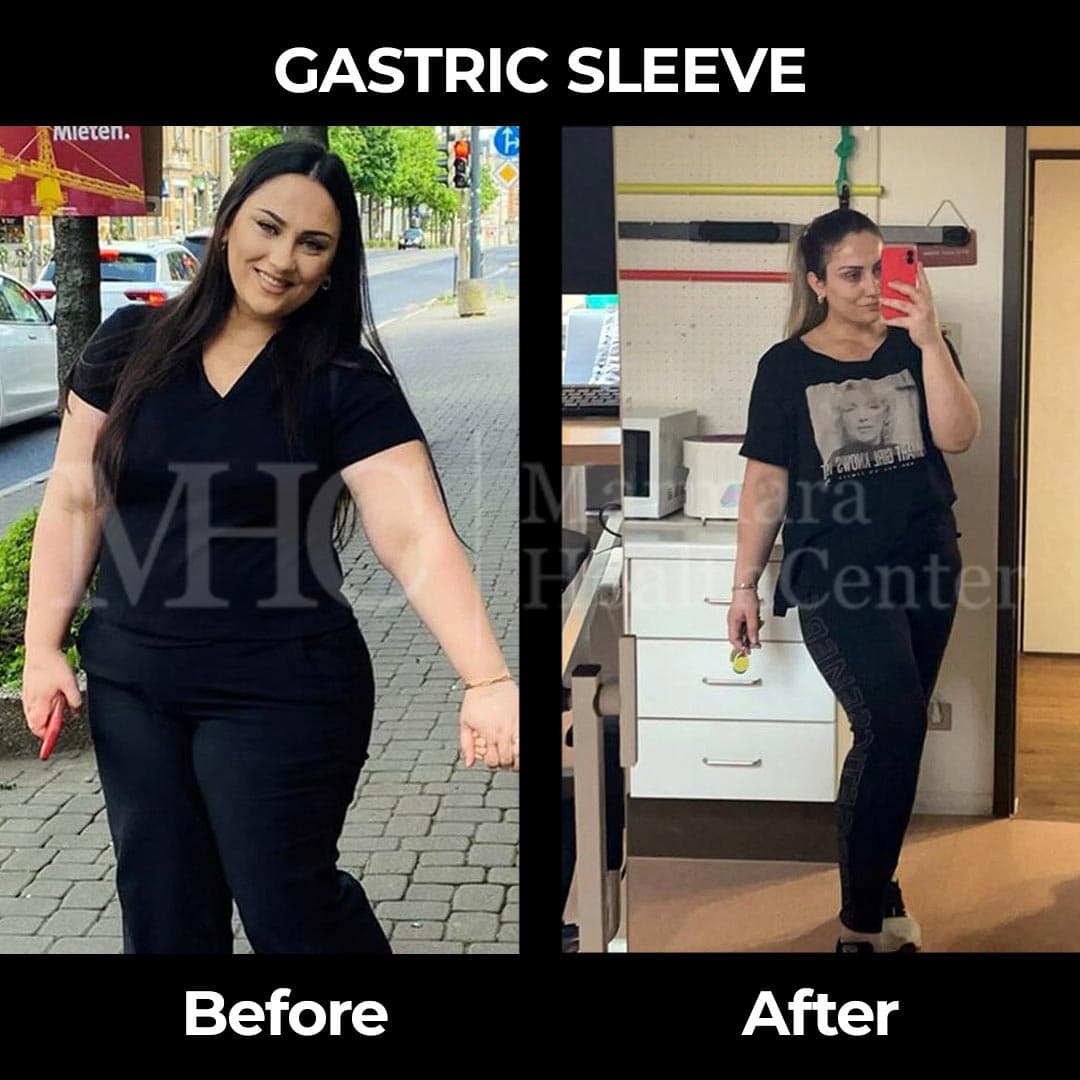
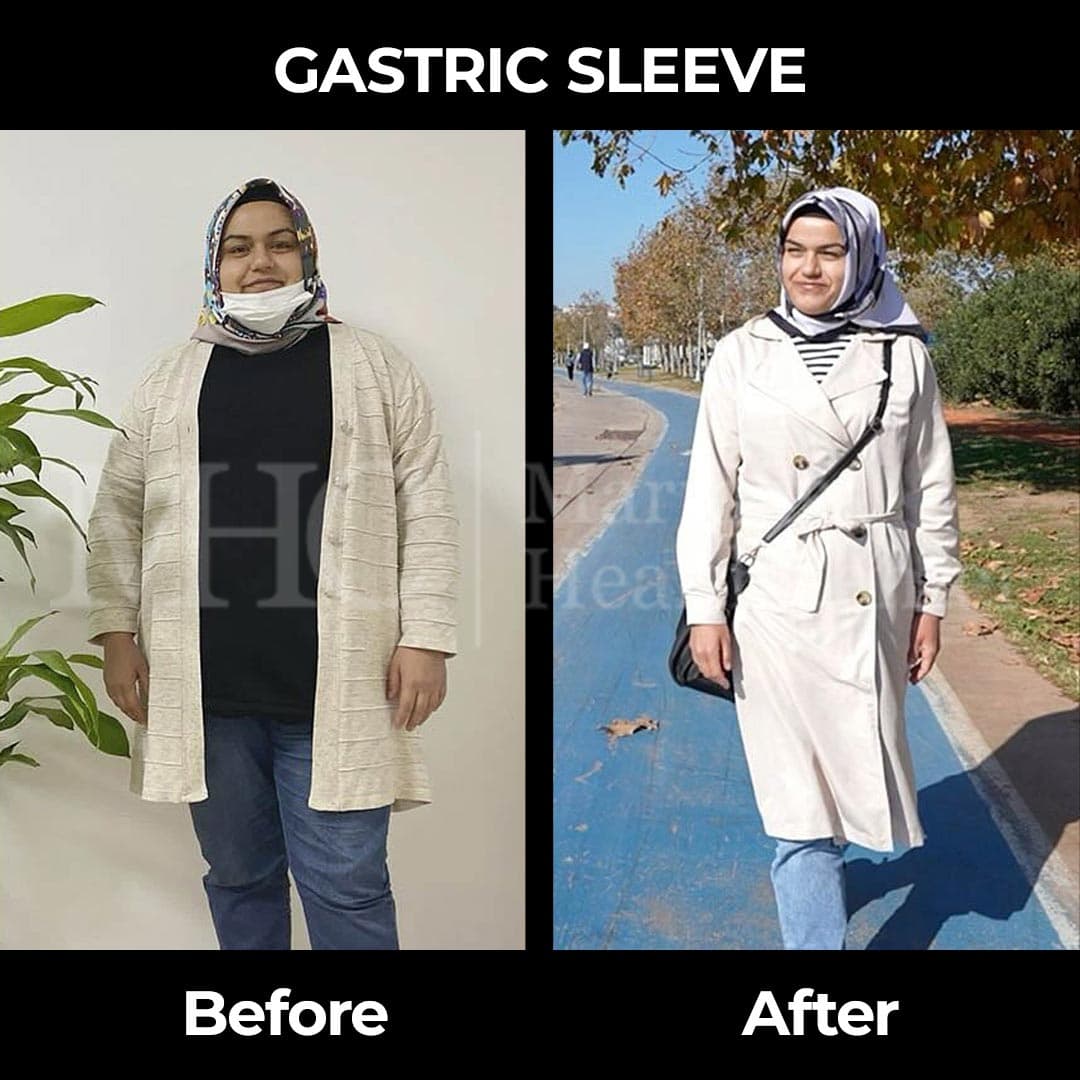
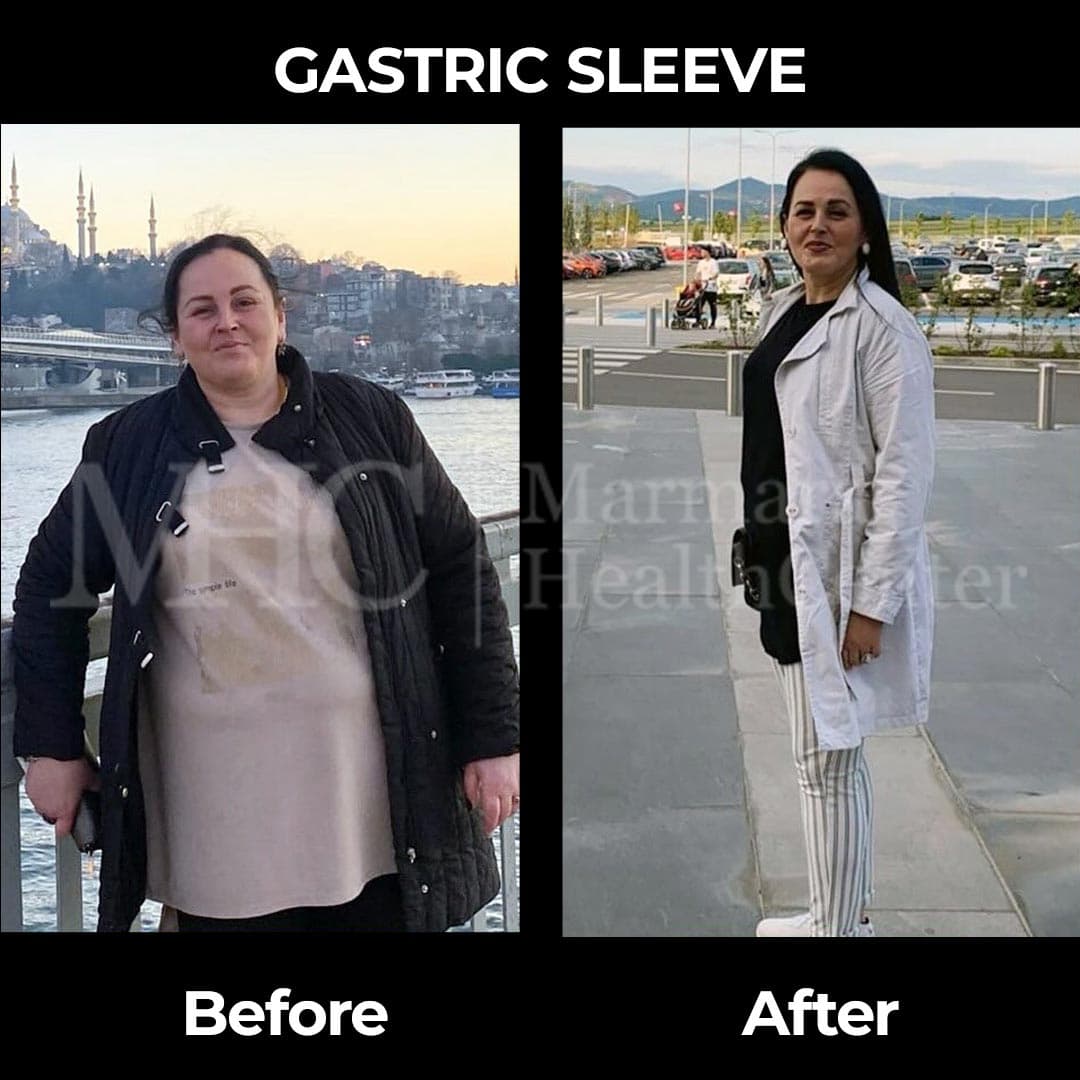
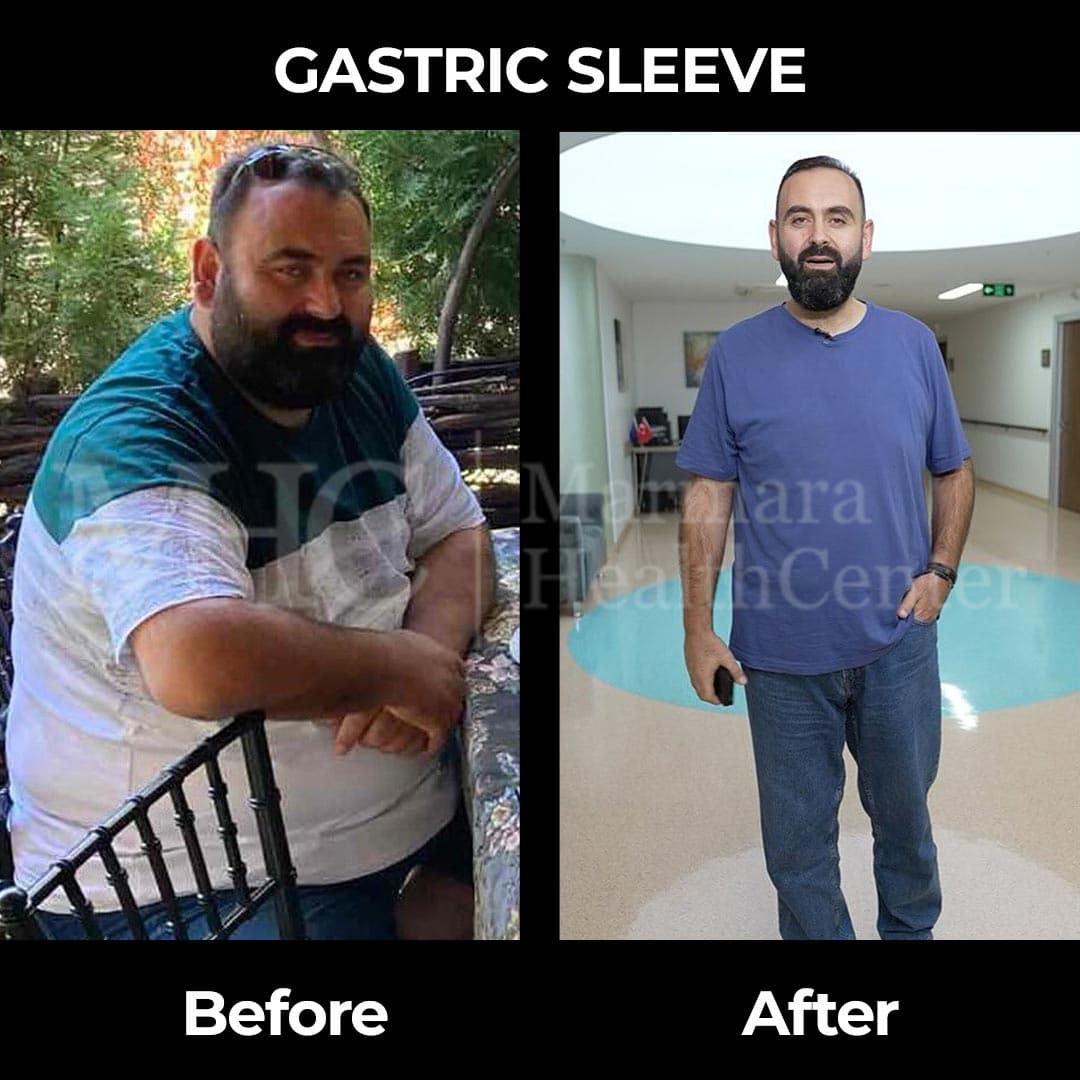
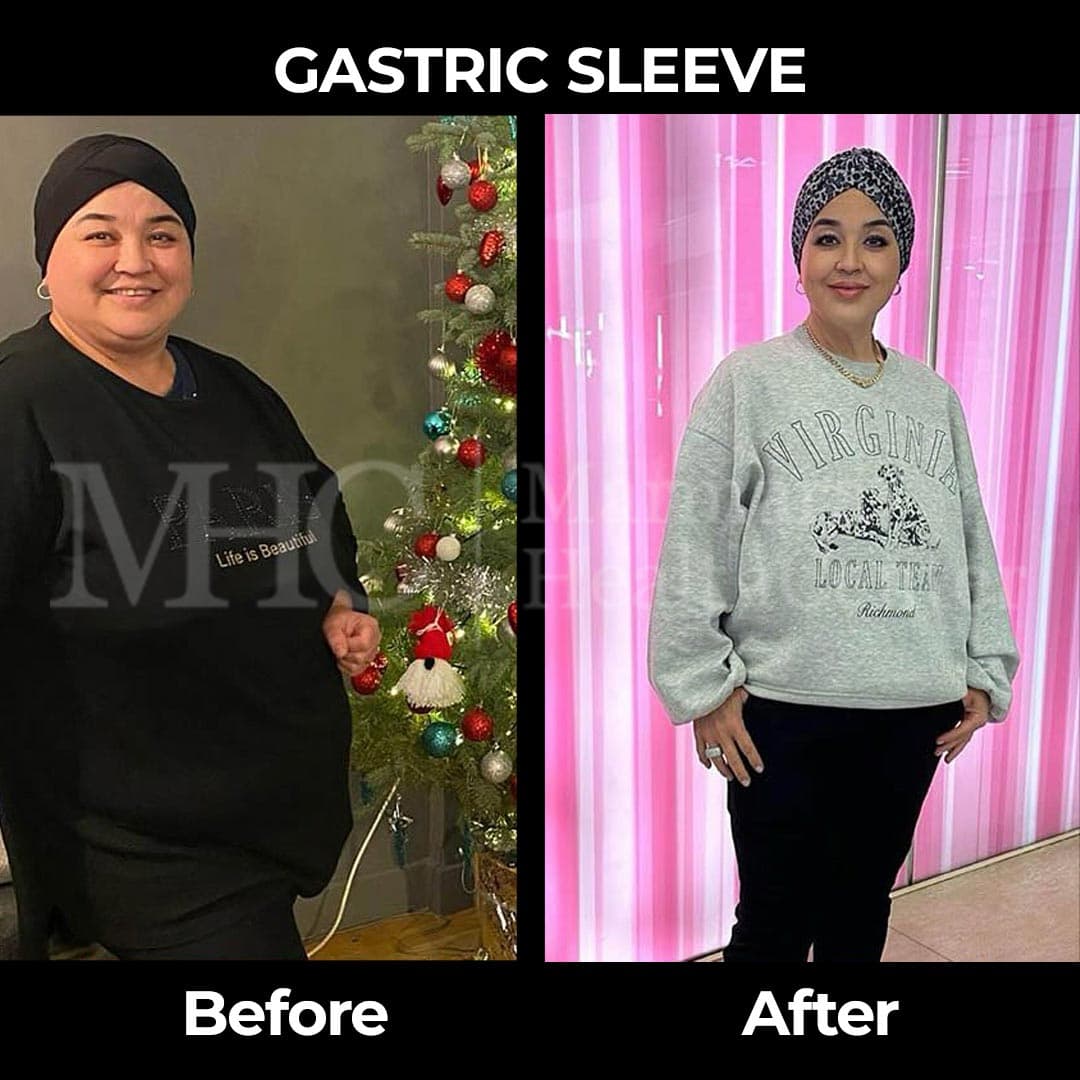
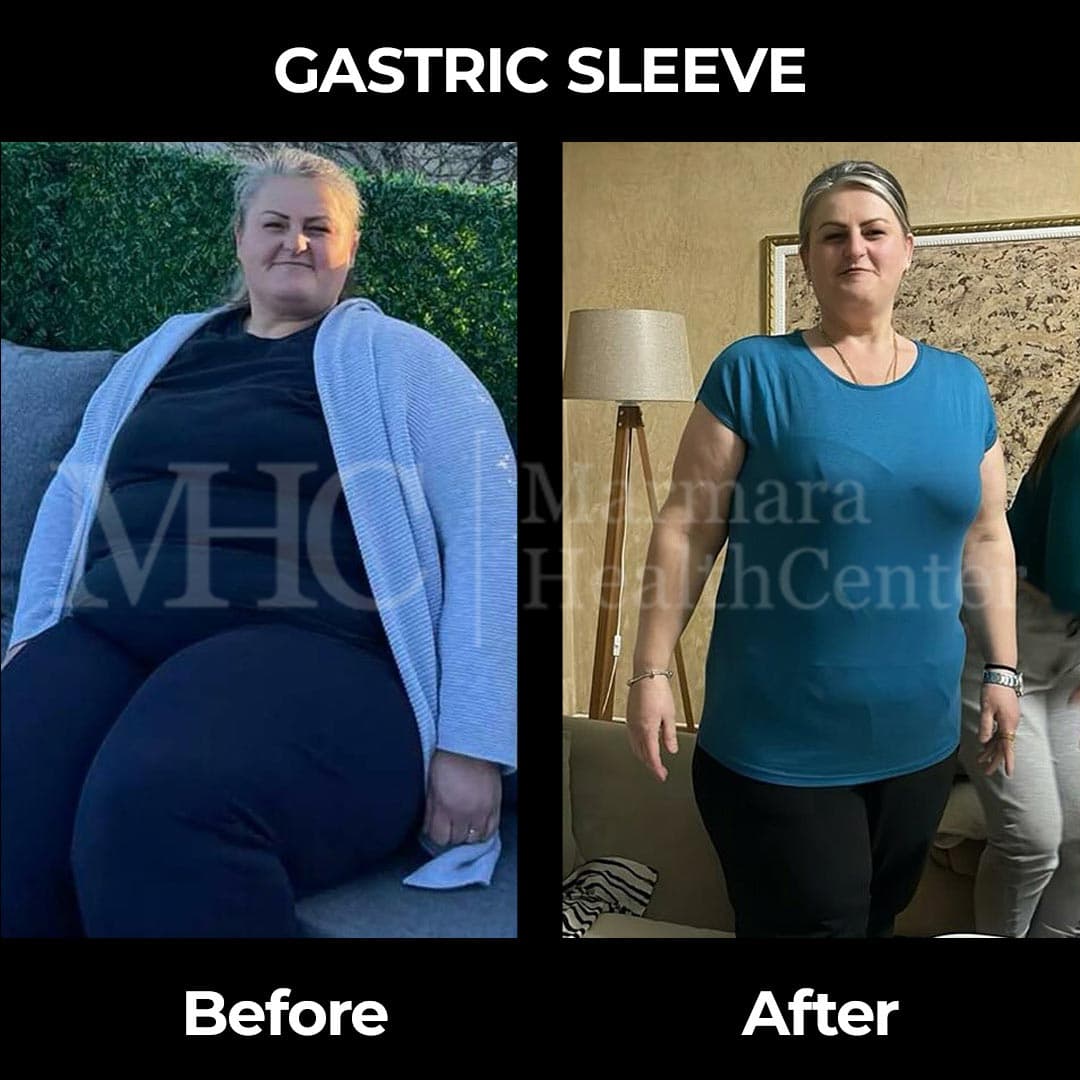
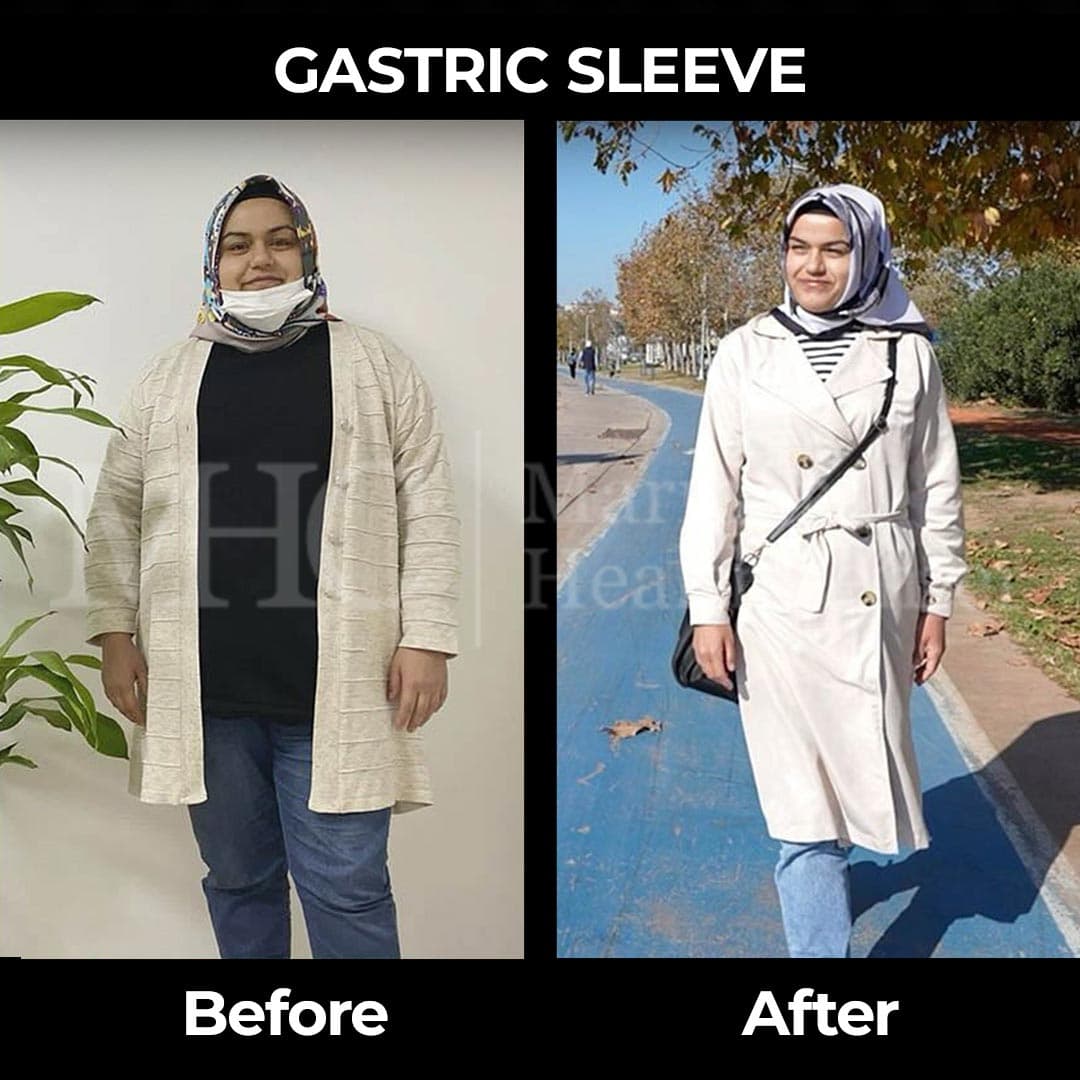
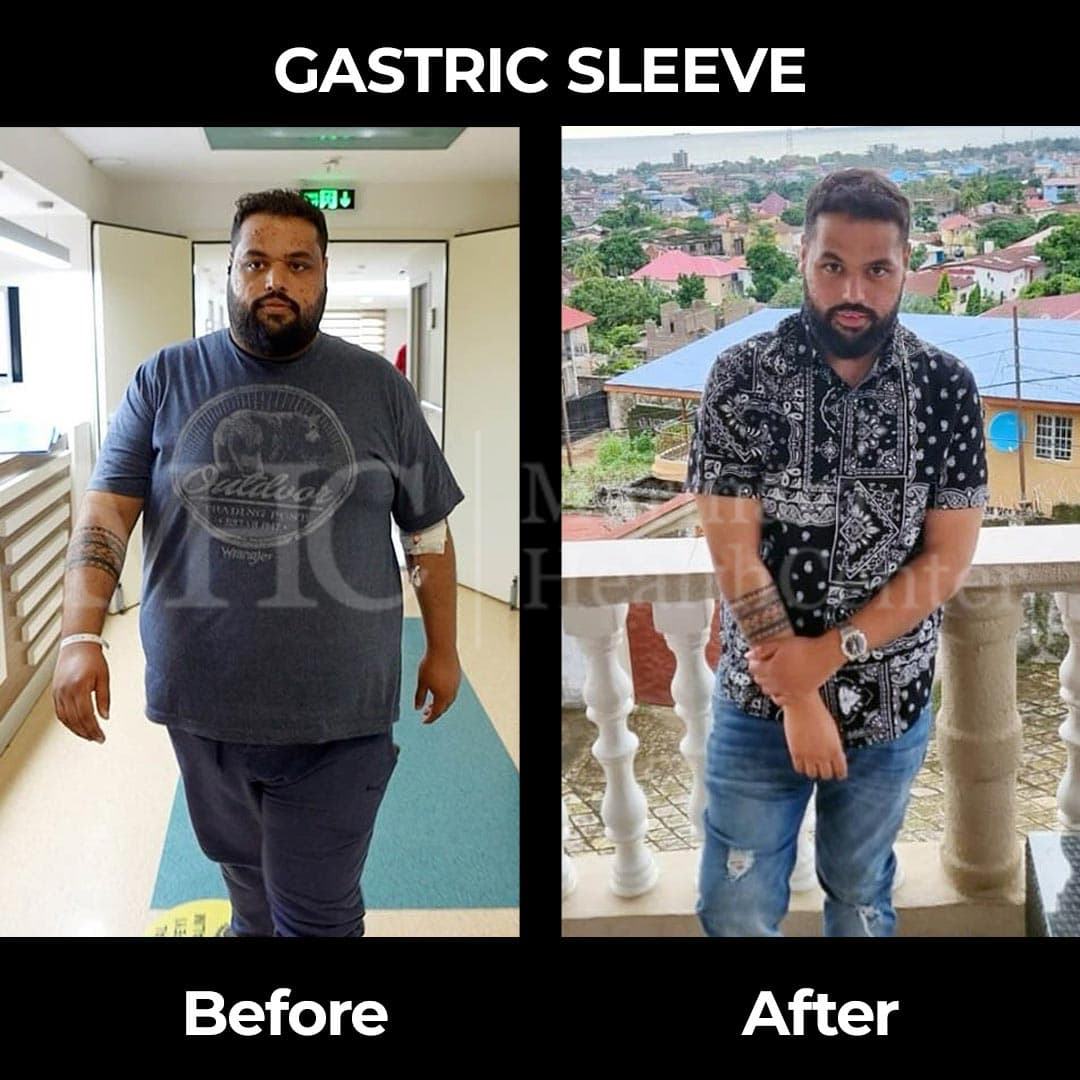
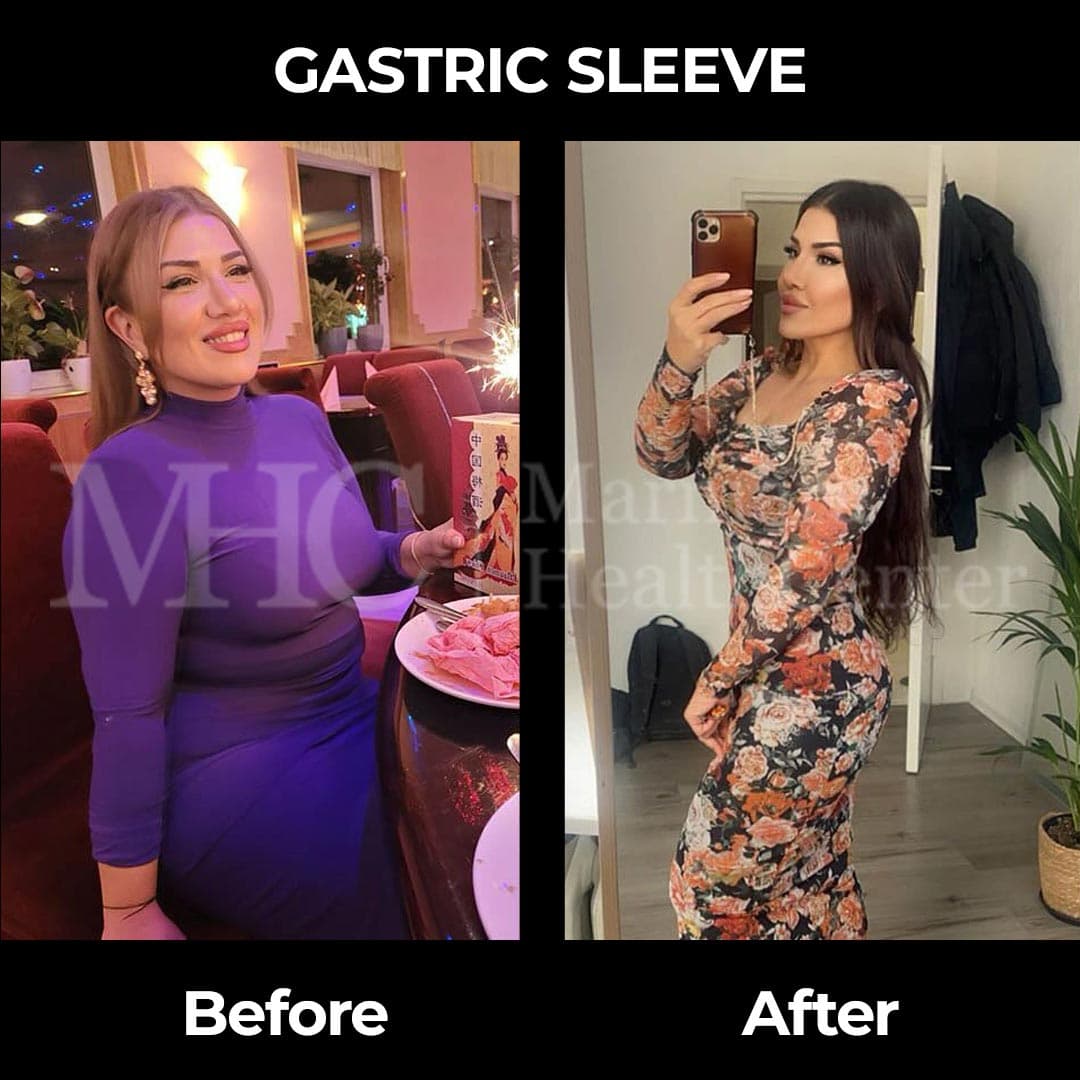
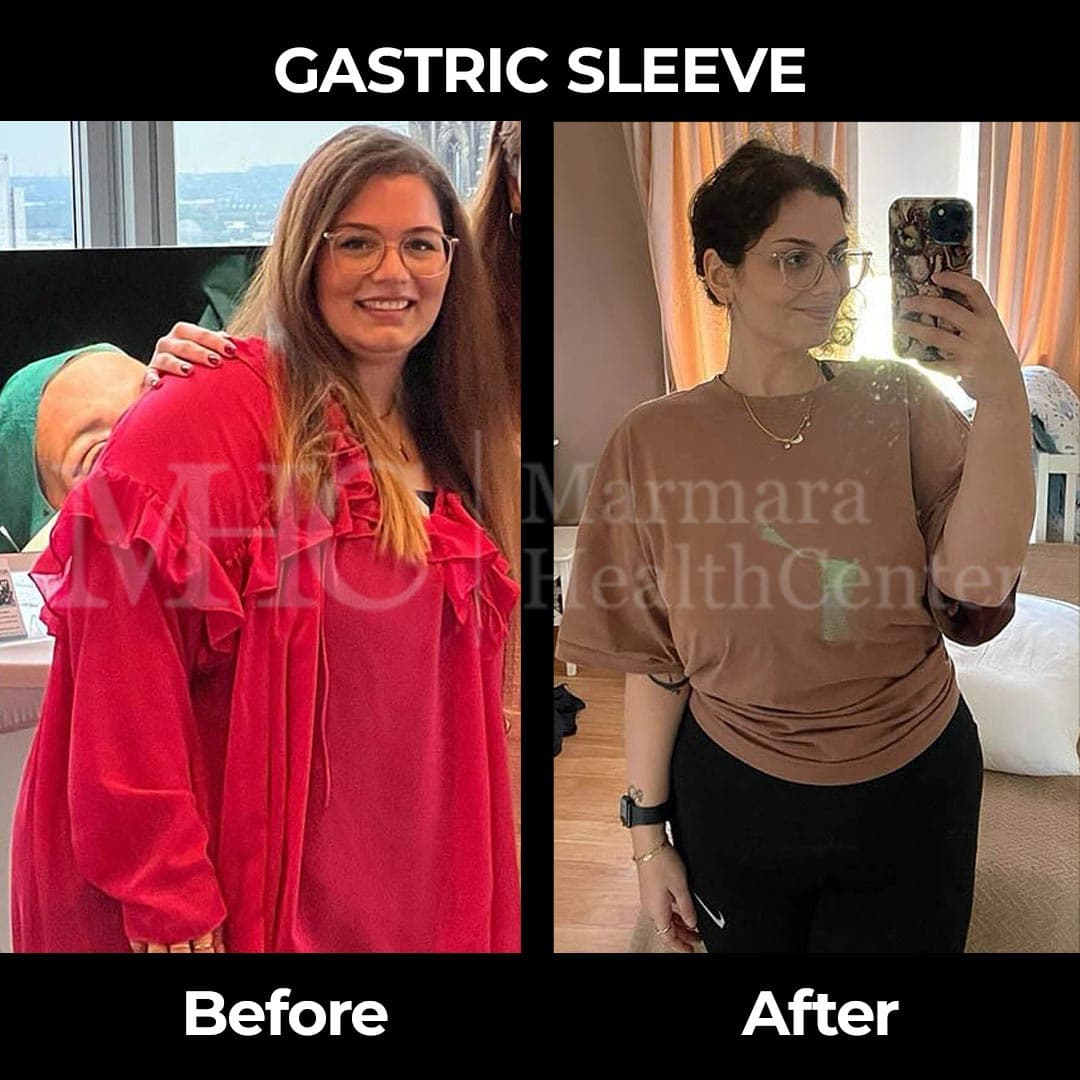
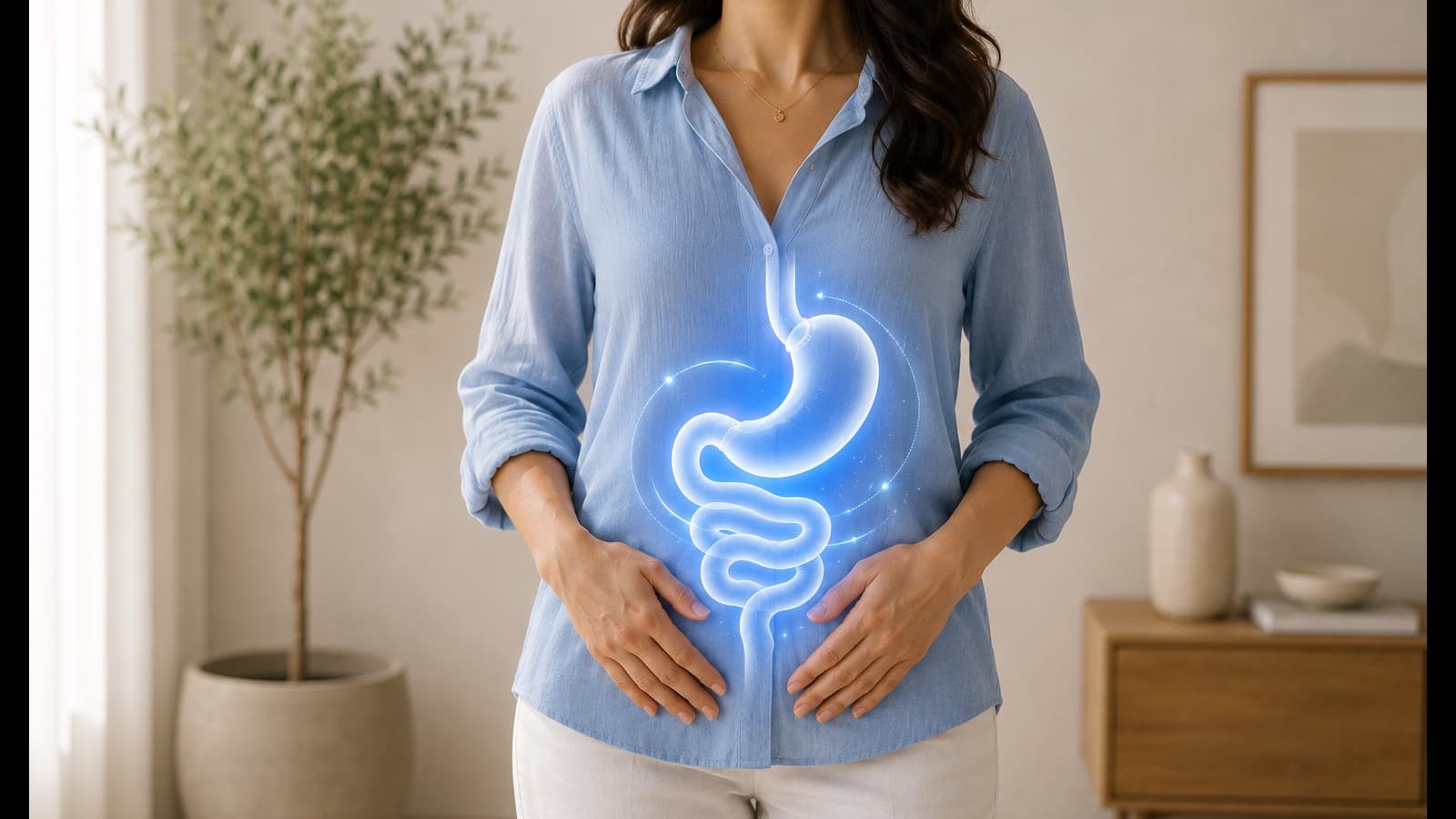
Gastric sleeve surgery (sleeve gastrectomy) is a laparoscopic weight-loss operation that removes about 75–80% of the stomach, leaving a slim, banana-shaped "sleeve." Because the part of the stomach that produces most of the hunger hormone (ghrelin) is removed, you feel full sooner and hungry less often — driving significant, lasting weight loss.
Gastric sleeve surgery permanently reduces the size of the stomach to limit how much you can eat and to lower appetite. It is performed laparoscopically (keyhole surgery) under general anaesthesia and typically takes 1–2 hours. Unlike a gastric balloon, the result is permanent; unlike gastric bypass, the intestines are not rerouted.
The operation is carried out through a few small incisions using a laparoscope:
Assessment & preparation — blood tests, endoscopy and an anaesthetic review confirm you are fit for surgery.
Sleeve resection — the surgeon removes roughly 75–80% of the stomach along the greater curvature and shapes the remainder into a narrow tube.
Staple line — the new sleeve is closed with surgical staples and checked for integrity.
Recovery — most patients are walking within hours and stay 2–4 nights for monitoring.
You may be a suitable candidate for gastric sleeve surgery if you:
Have a body mass index (BMI) of 40 or above, or 35+ with an obesity-related condition such as type 2 diabetes, high blood pressure or sleep apnoea
Are generally between 18 and 65 years old
Have not achieved lasting results with diet, exercise or medication
Are committed to permanent changes in eating and lifestyle
Are healthy enough to undergo general anaesthesia
Final eligibility is always confirmed by individual clinical assessment.
Days 1–3Hospital stay; walking the same day; liquid diet begins
Week 1Return to light daily activity; clear/full liquids
Weeks 2–4Pureed then soft foods; gradual energy return
Weeks 4–6Transition to solid foods; full adaptation
Month 6+Light exercise builds up; ongoing dietitian follow-up
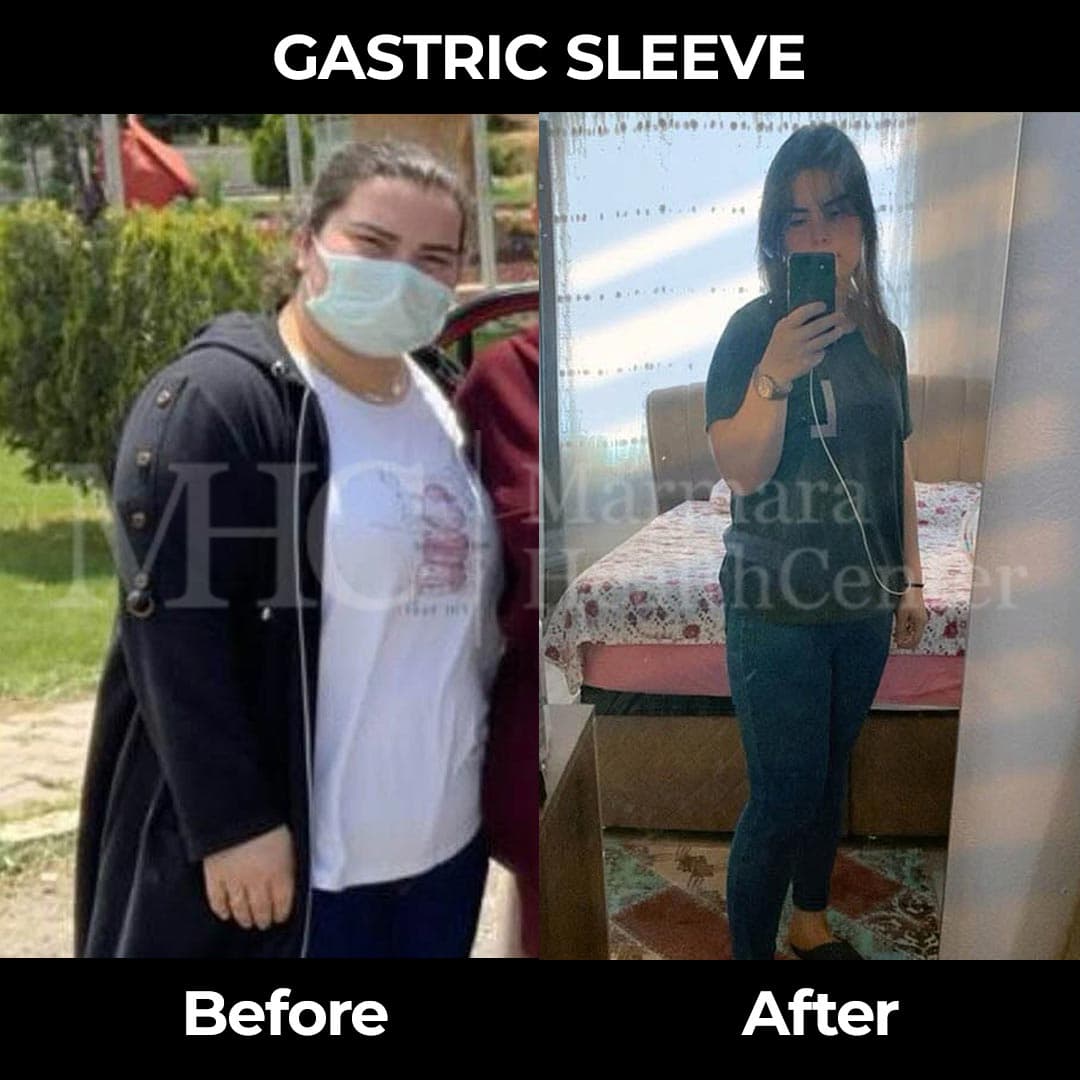
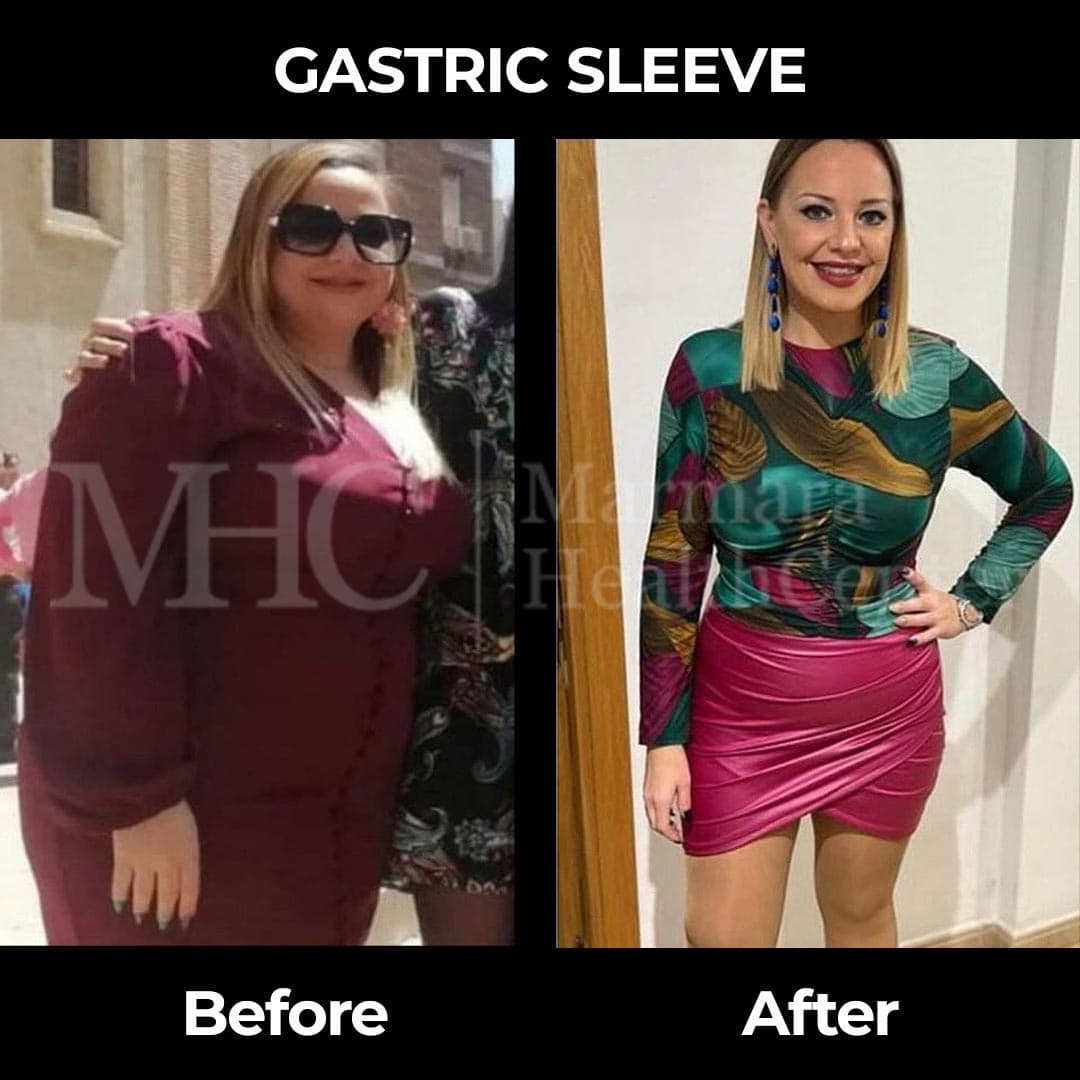
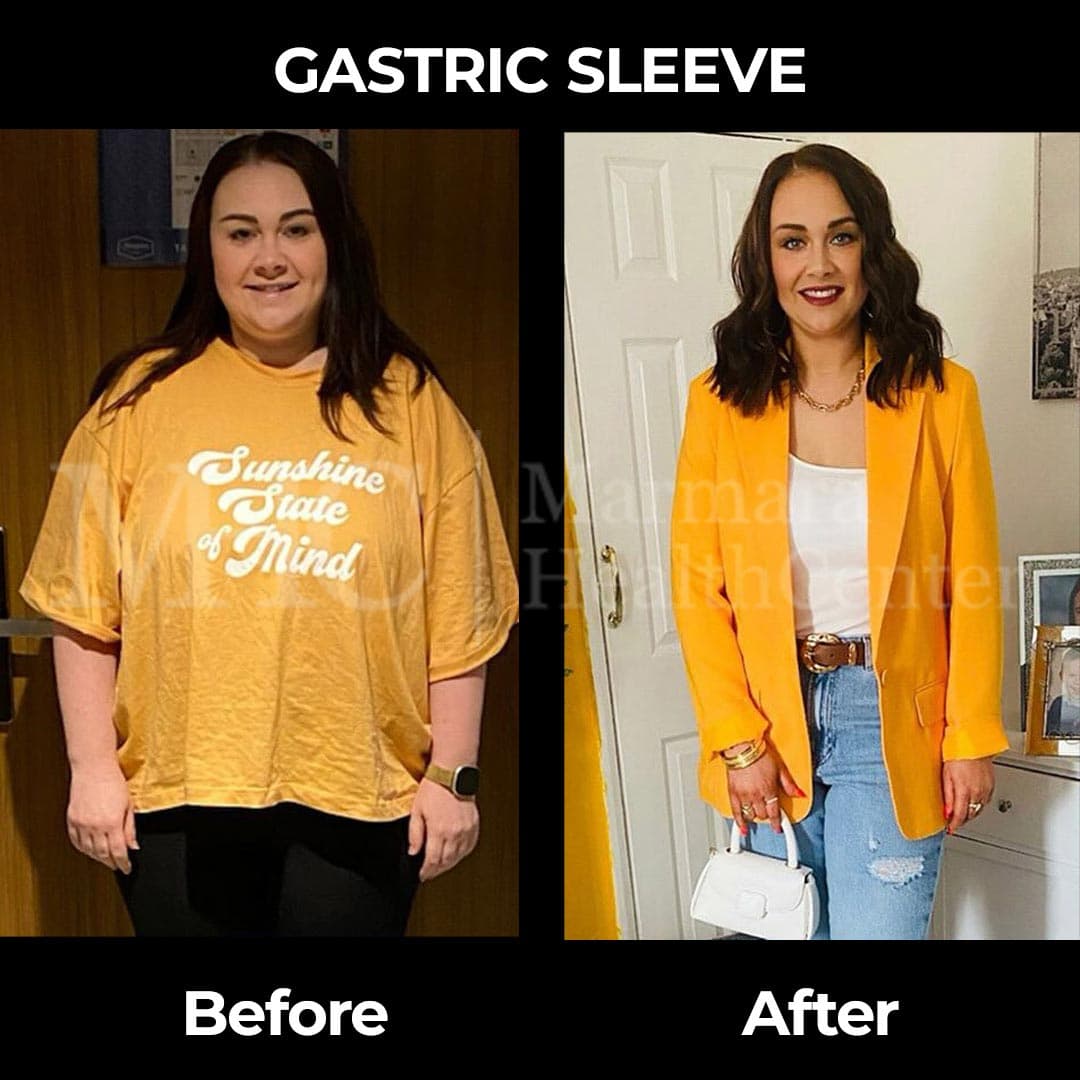
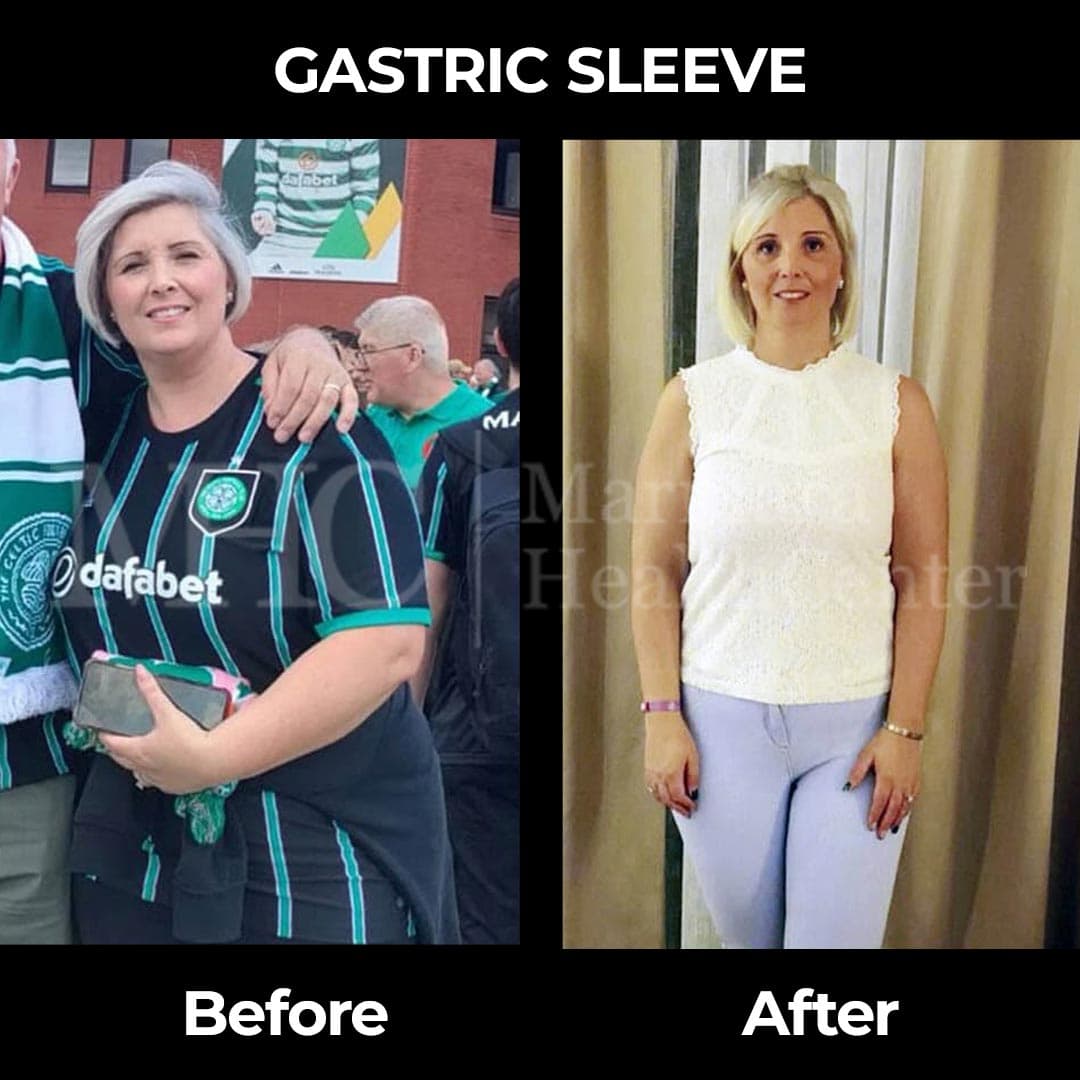
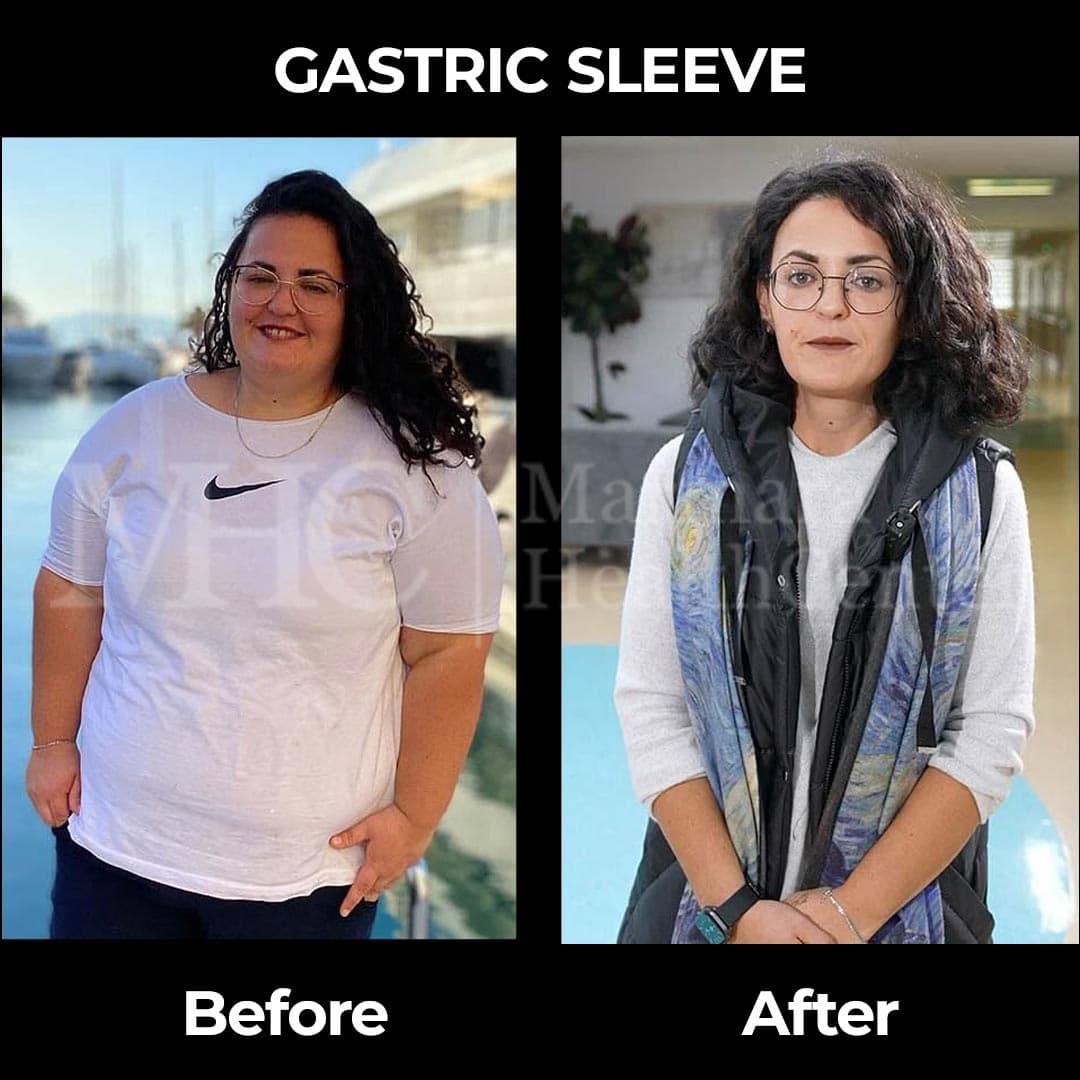
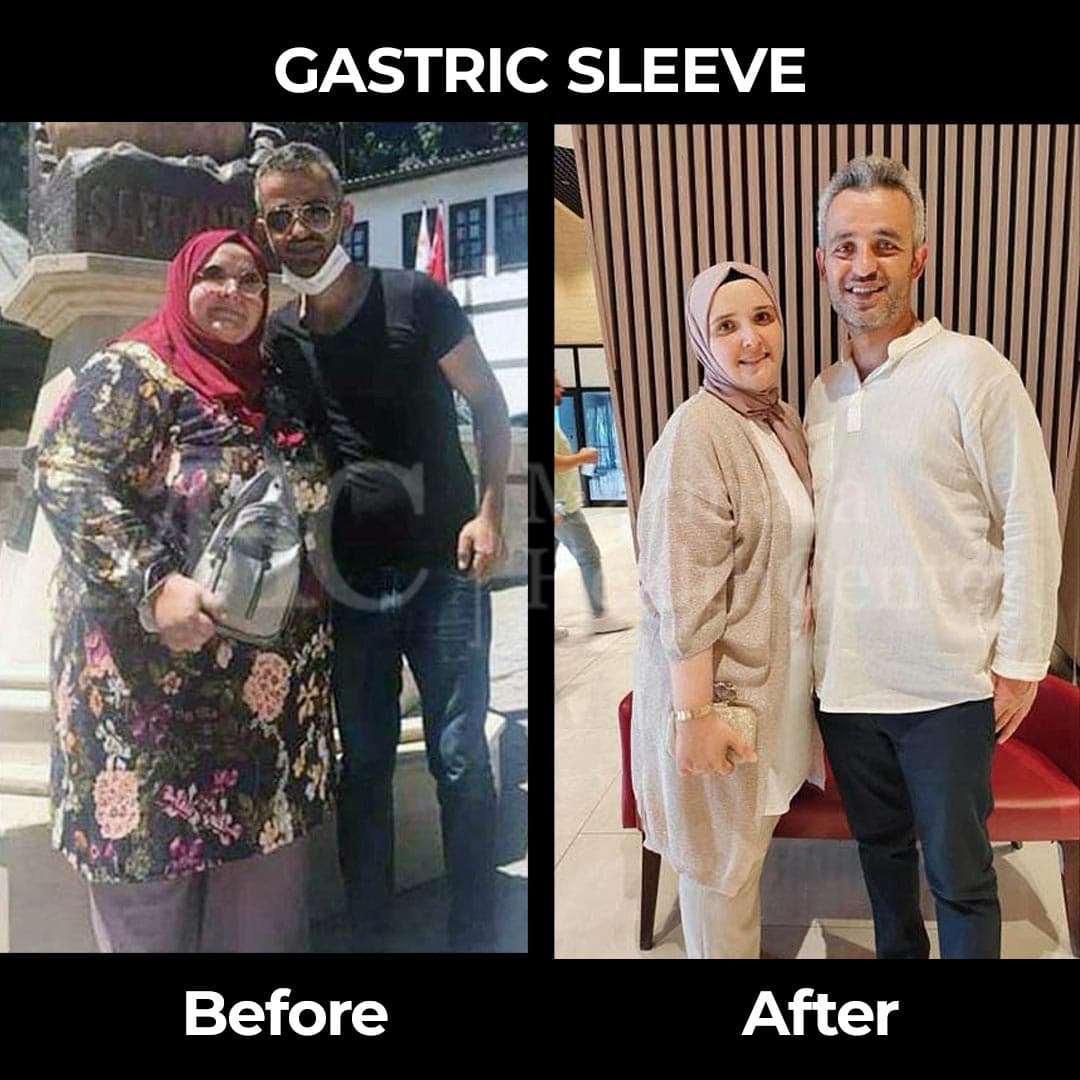
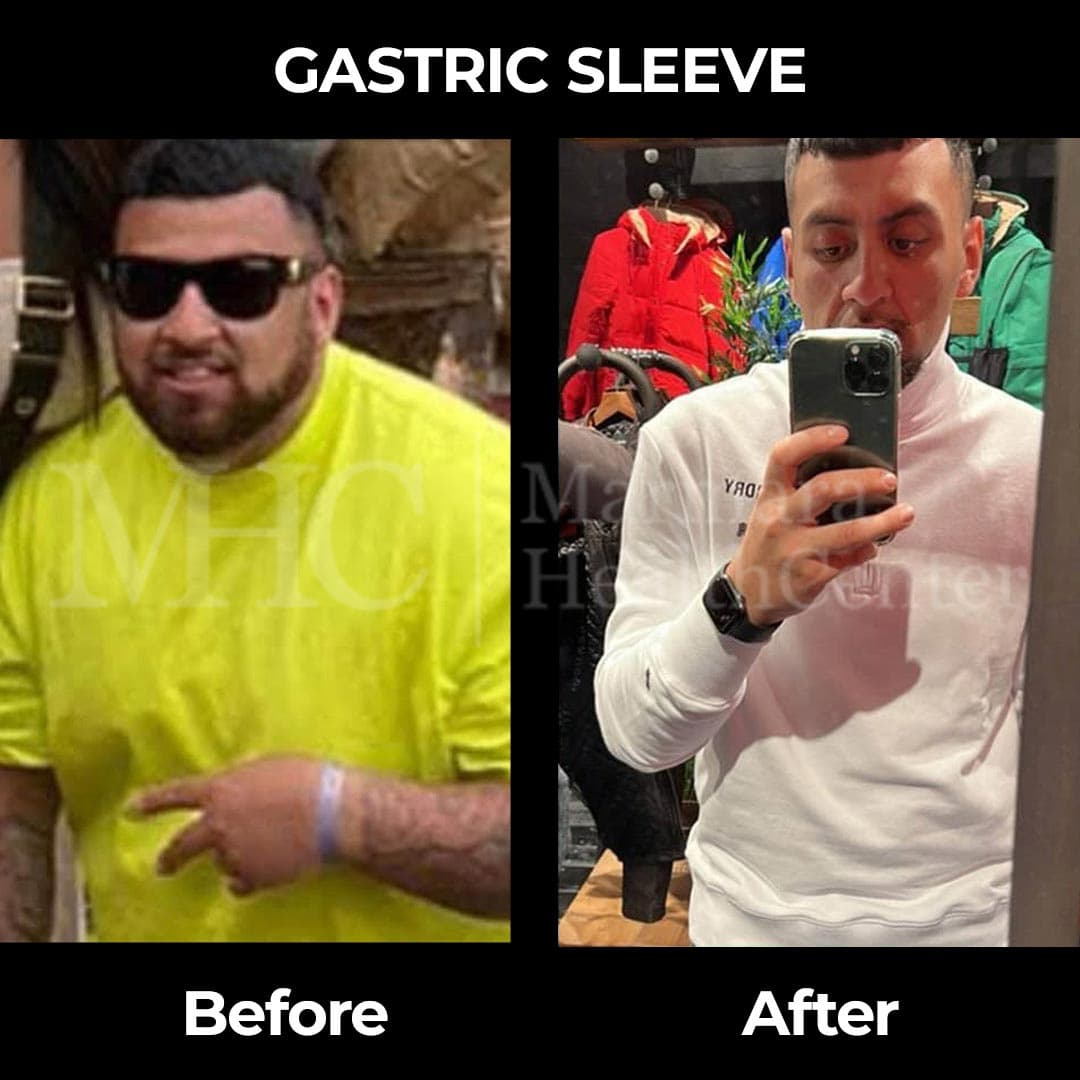
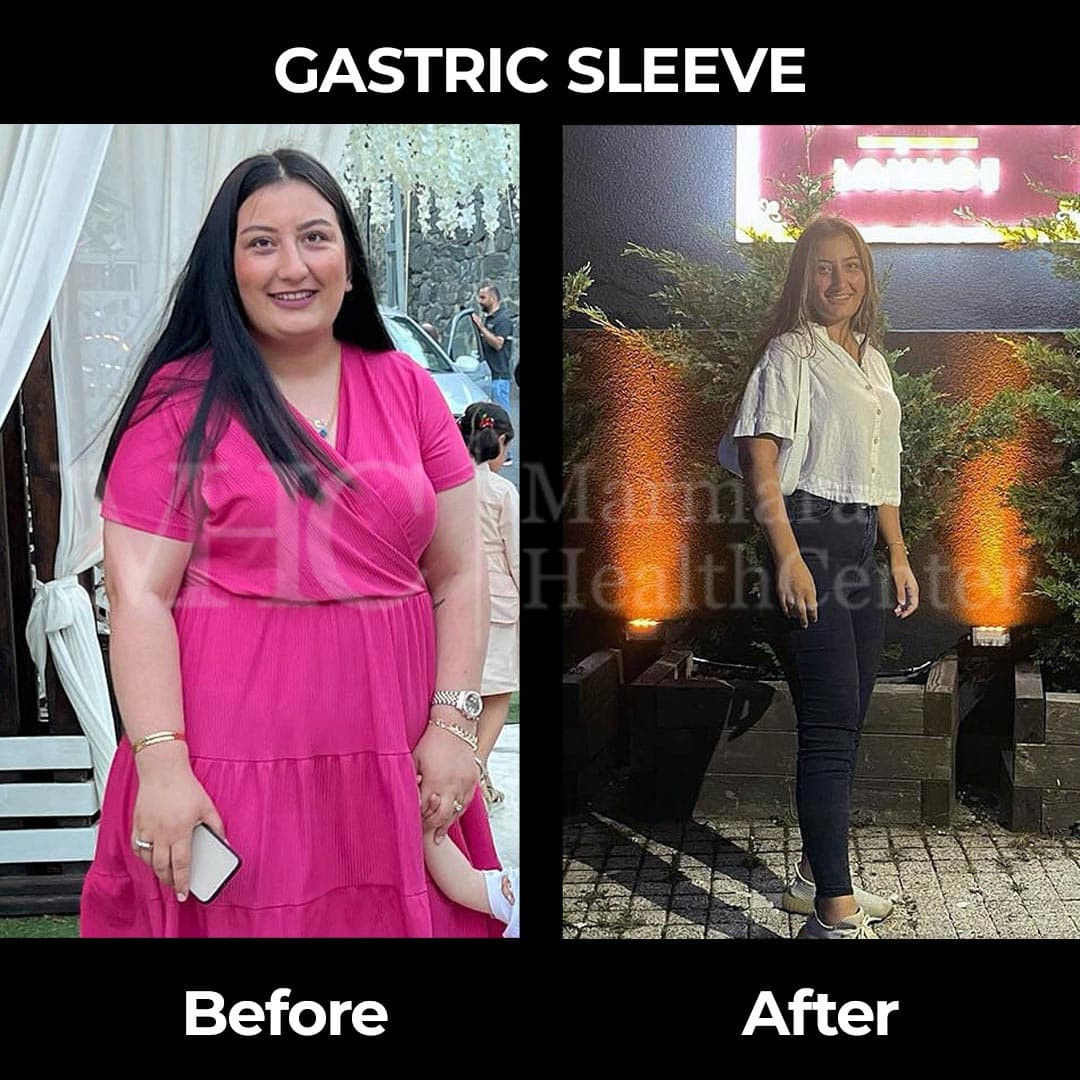
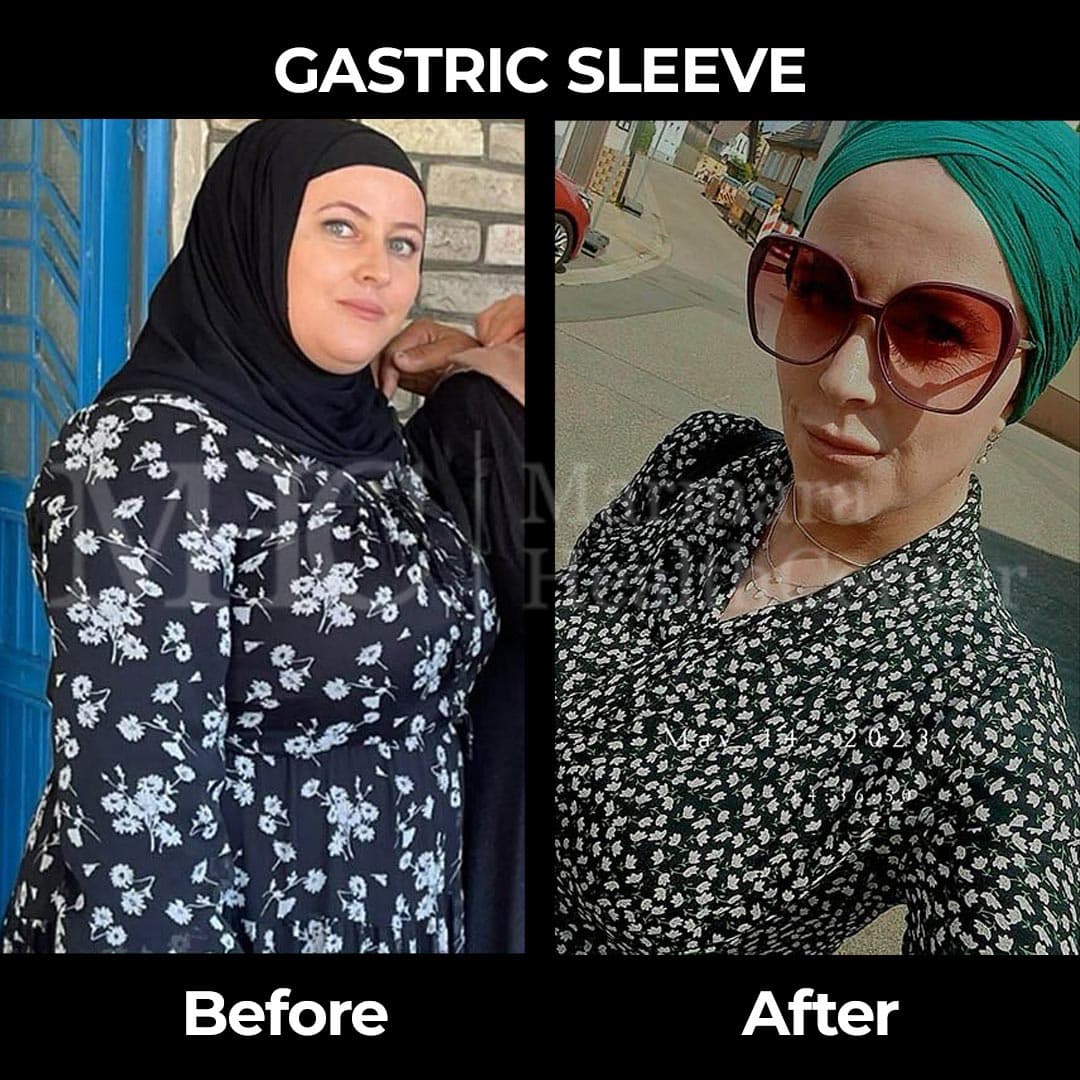
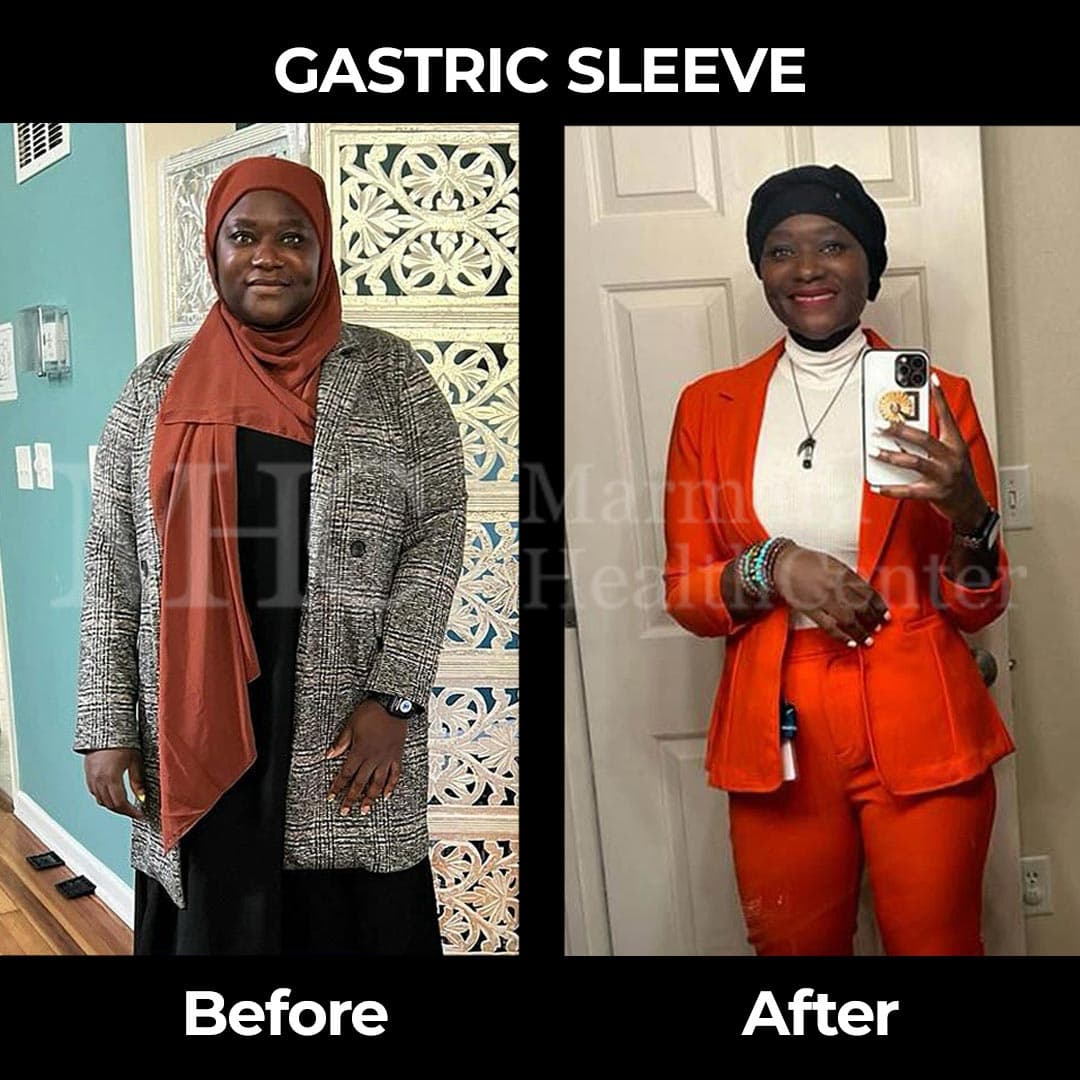
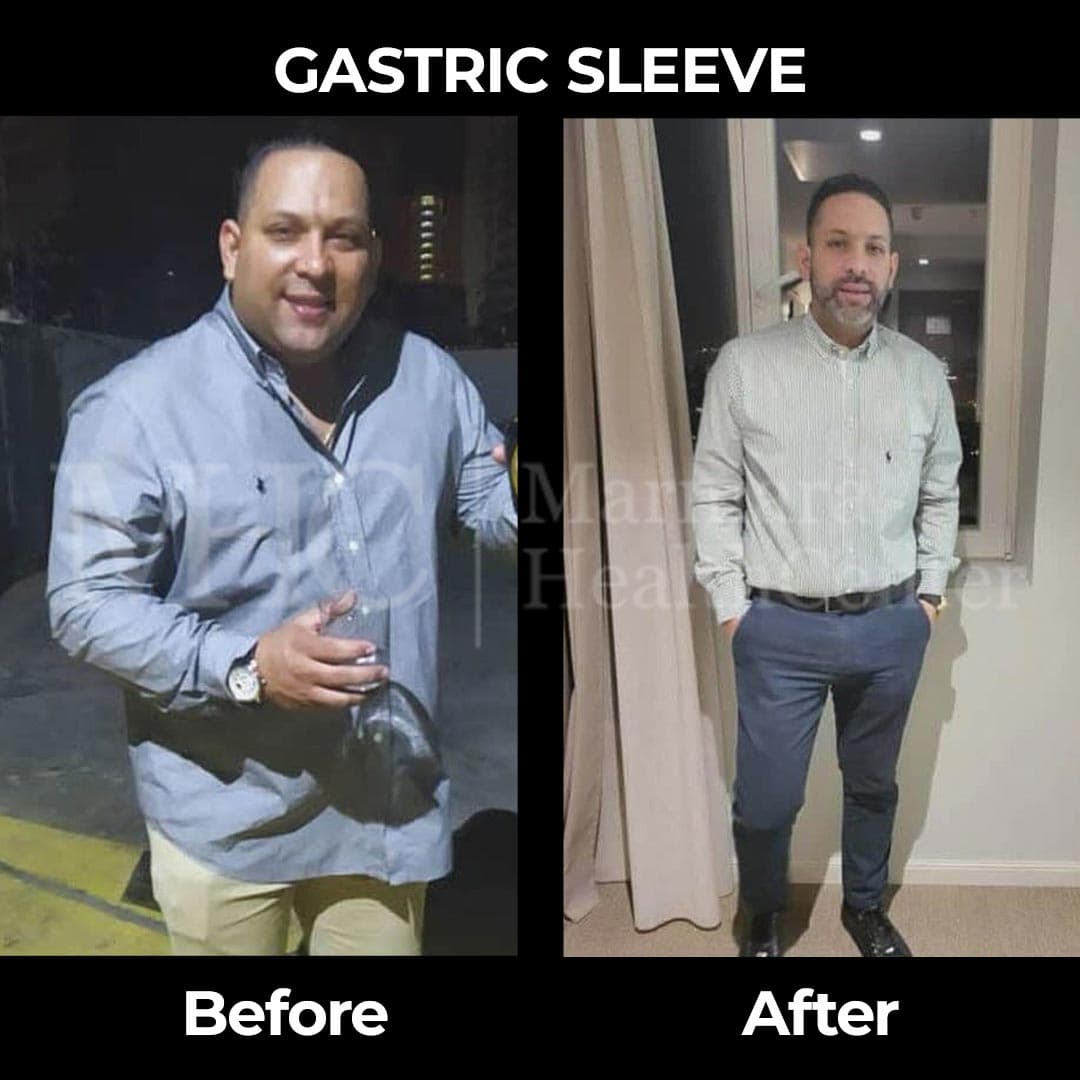
Most patients lose a substantial portion of their excess weight within the first 12–18 months when they follow the nutrition and lifestyle plan. Surgery is a powerful tool — long-term results depend on adherence and follow-up.
Sleeve gastrectomy is one of the most commonly performed bariatric procedures worldwide and, in experienced high-volume centres, has a low complication rate. As with any major surgery, possible risks include bleeding, infection, a leak at the staple line, blood clots, and acid reflux. Because the stomach is smaller, lifelong vitamin and mineral supplementation and annual follow-up are recommended to prevent nutritional deficiencies. Thorough pre-operative testing minimises these risks.
Ministry-authorised health tourism — an Istanbul clinic operating under the Republic of Türkiye Ministry of Health Health Tourism Authorization Certificate and a member of the Health Türkiye programme.
Experienced bariatric team — 25+ years of general surgery experience and a high volume of laparoscopic bariatric procedures.
Accredited partner hospital — surgery performed in a fully equipped partner hospital with modern intensive-care backup.
All-inclusive care — free online consultation, VIP airport transfers, companion accommodation, interpreter support and up to 1 year of online follow-up.