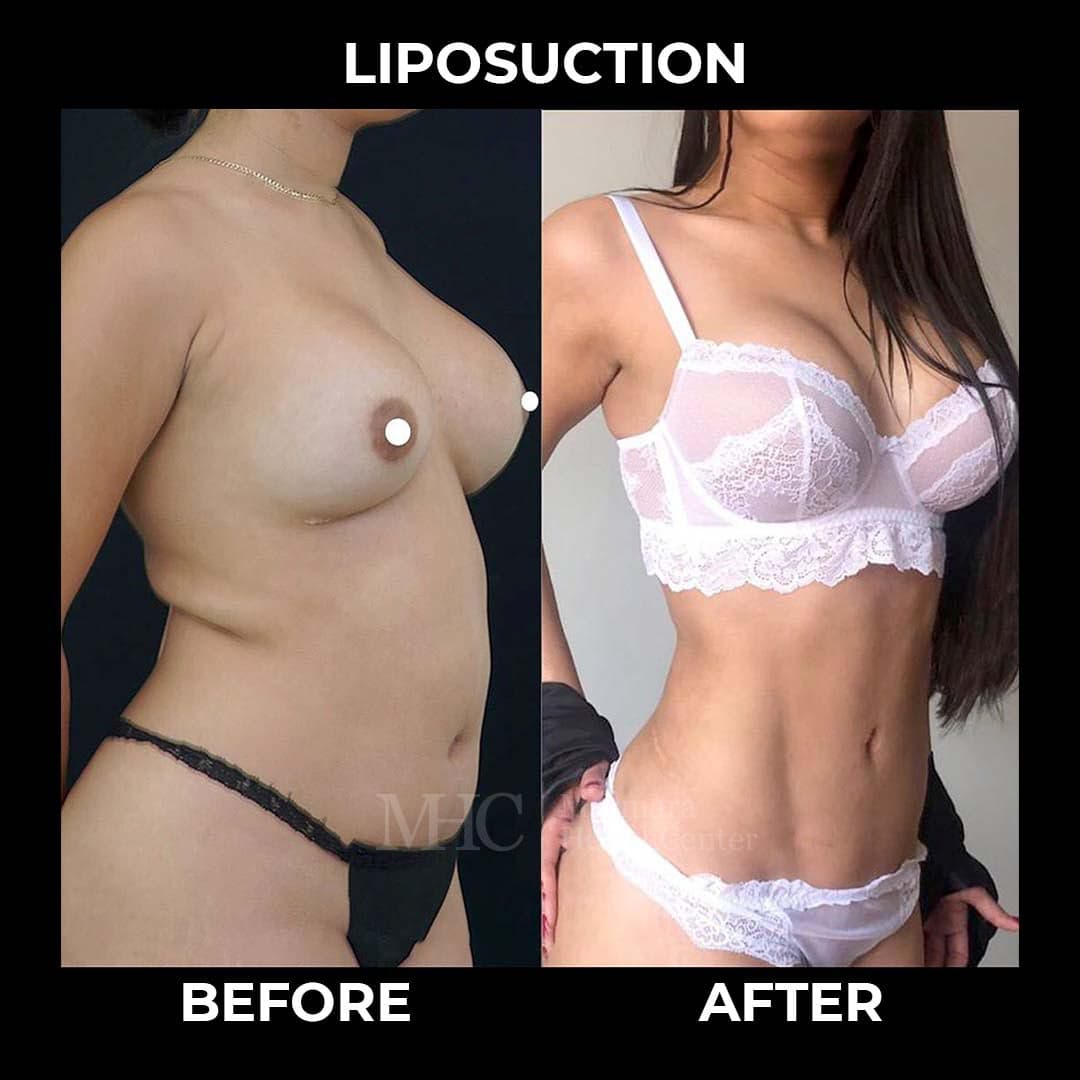
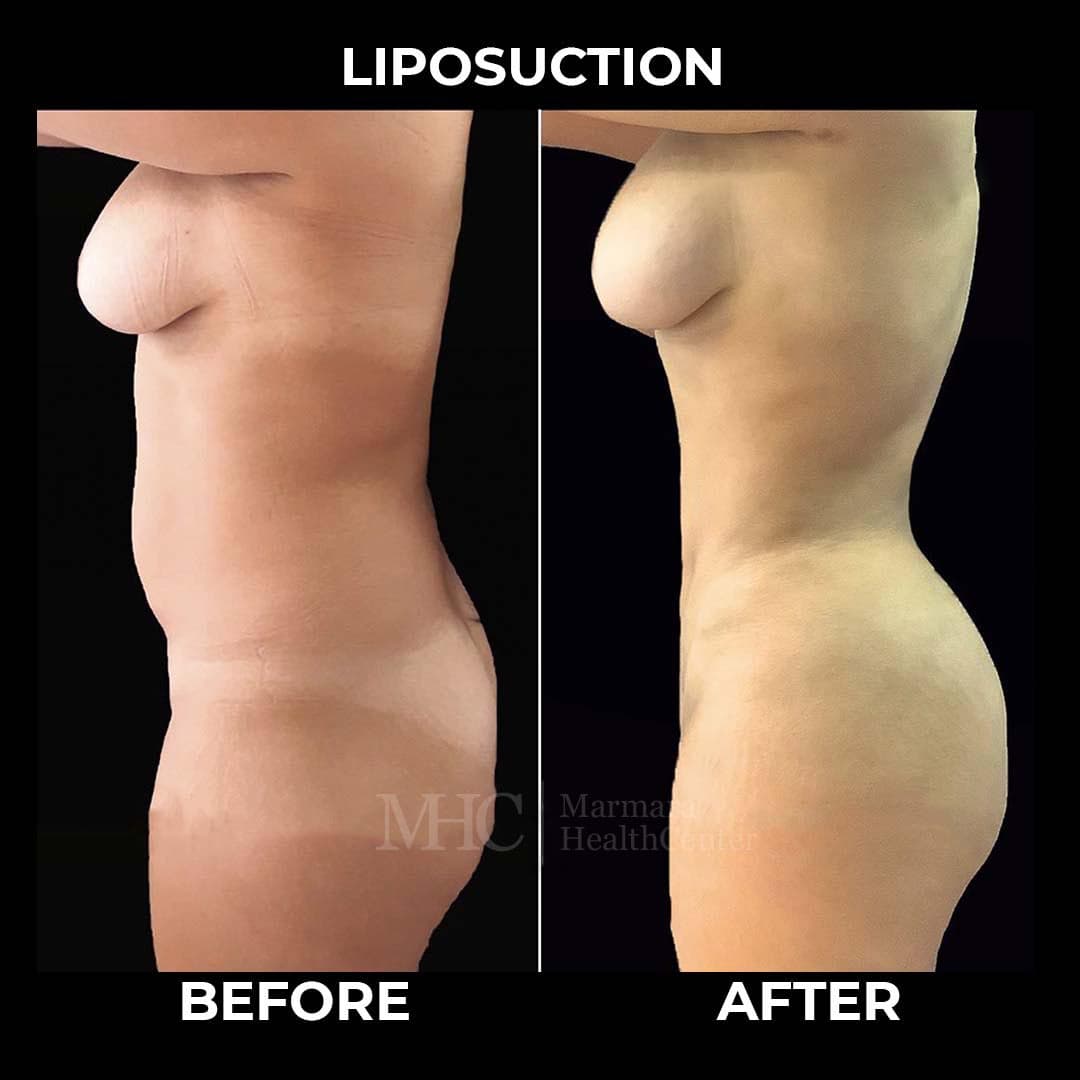
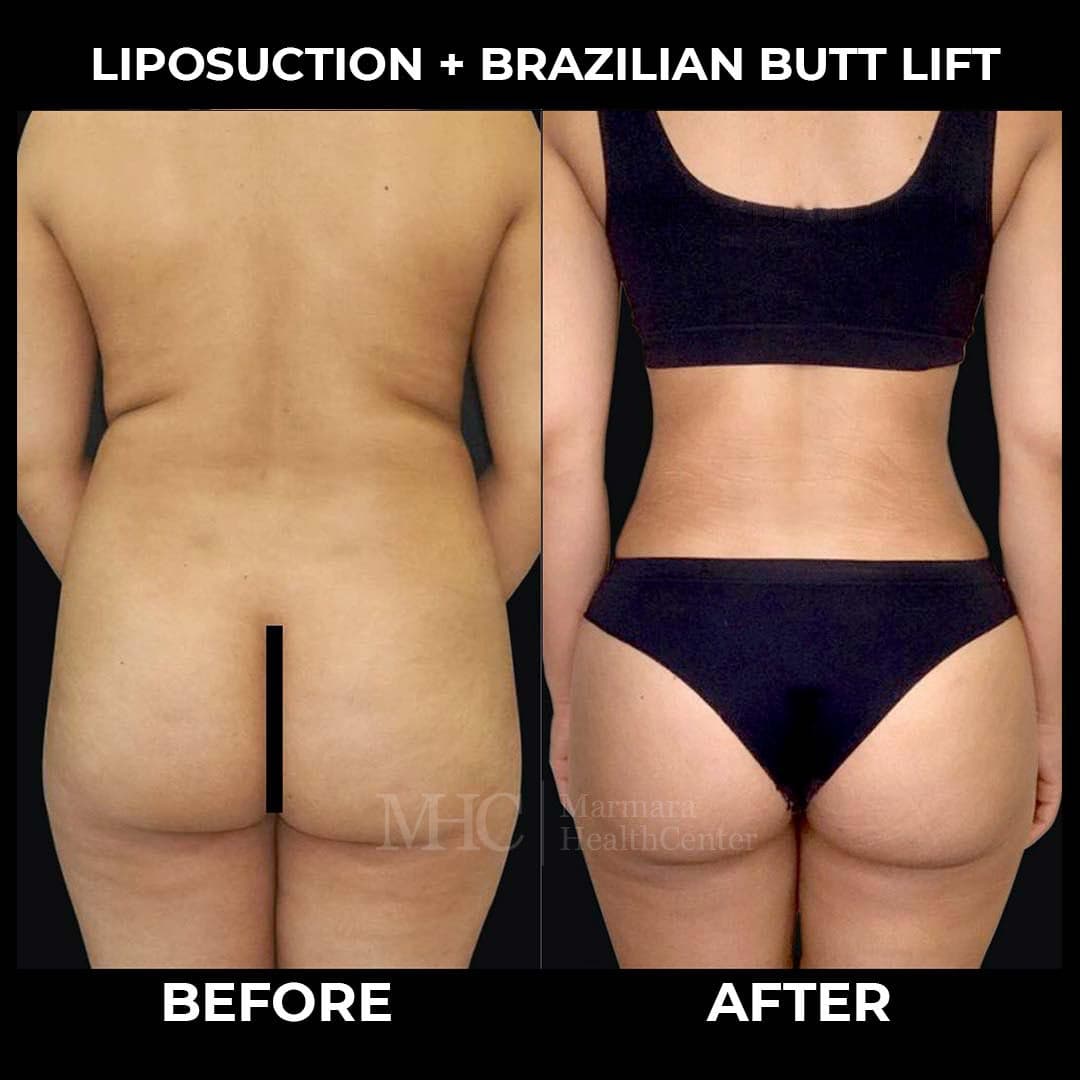
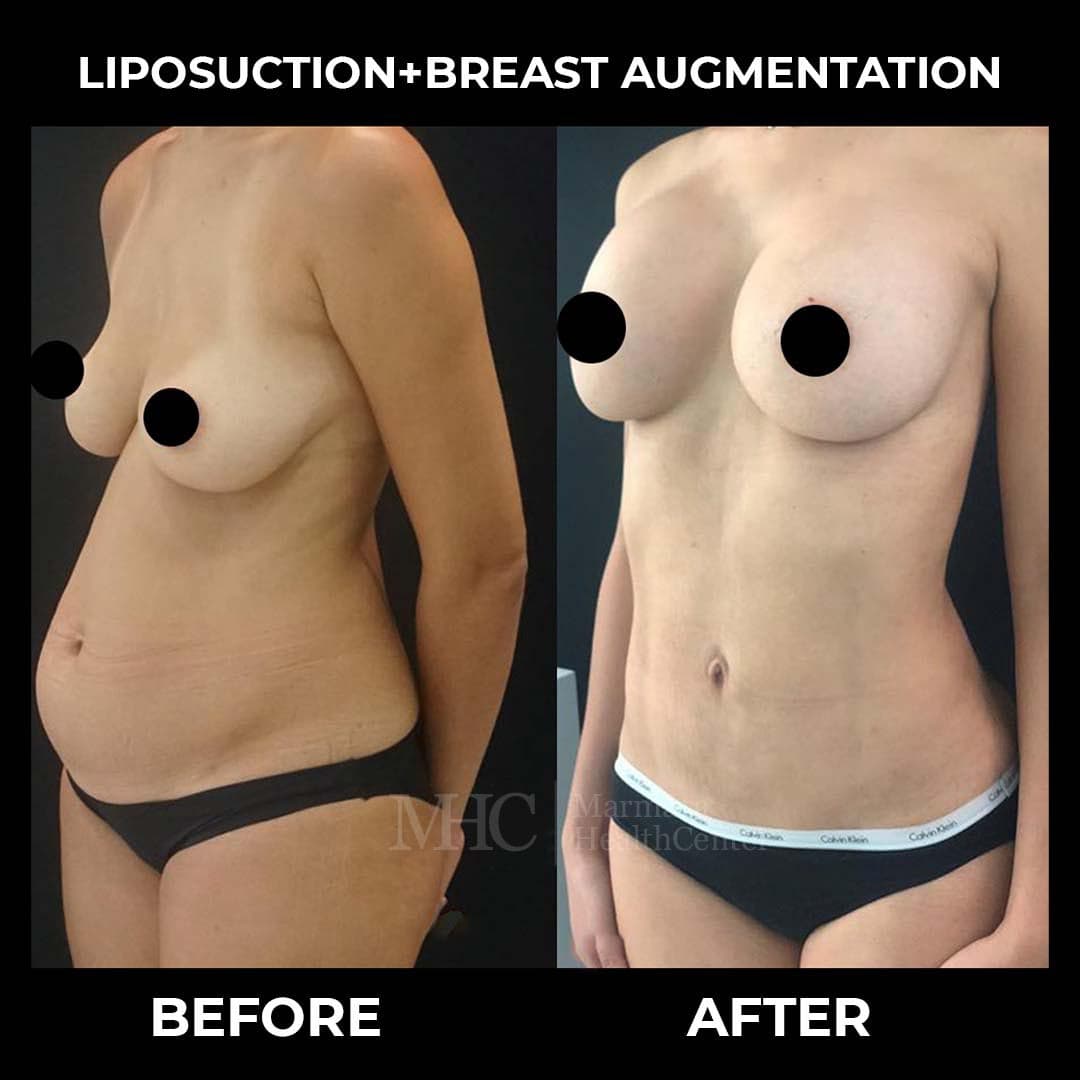
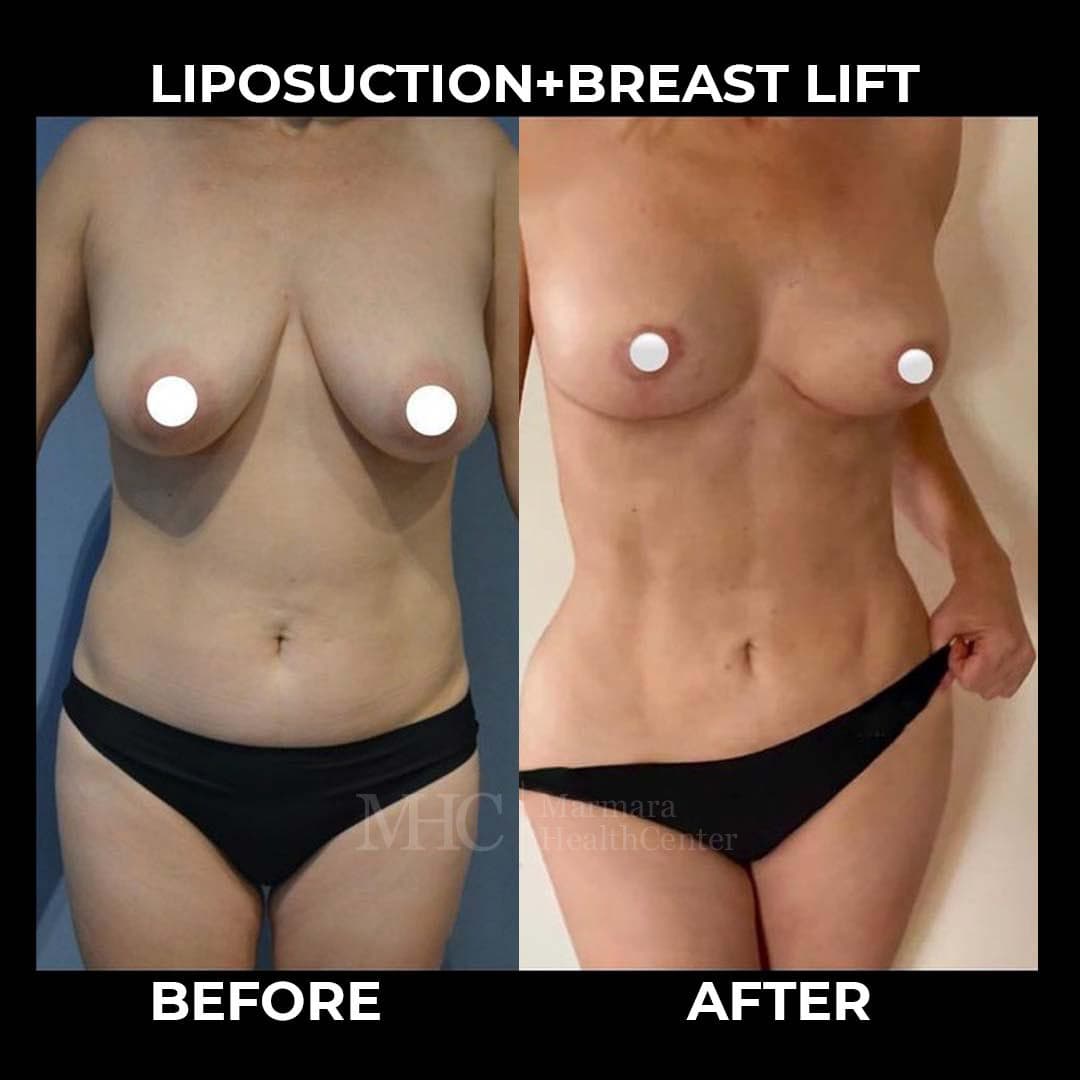
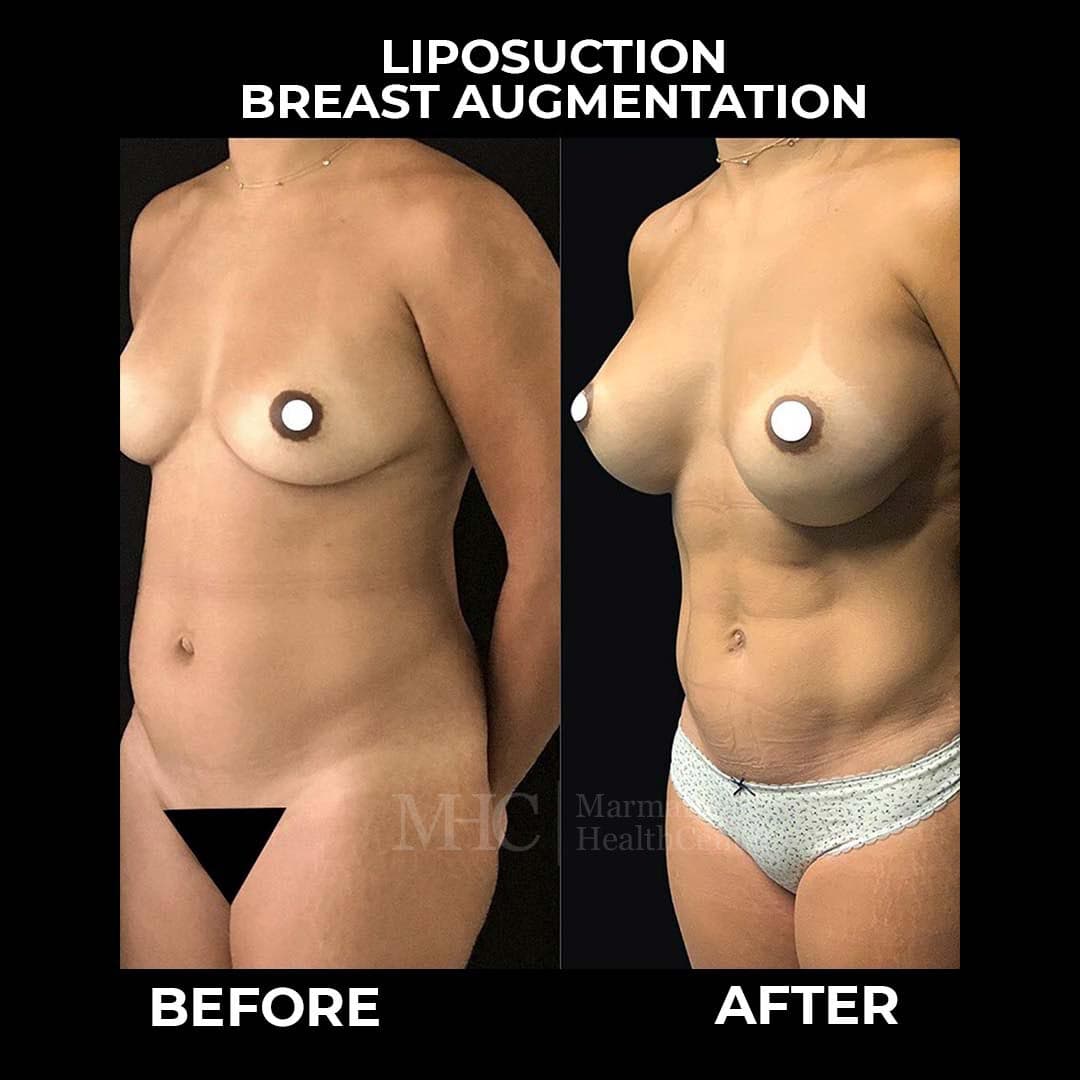
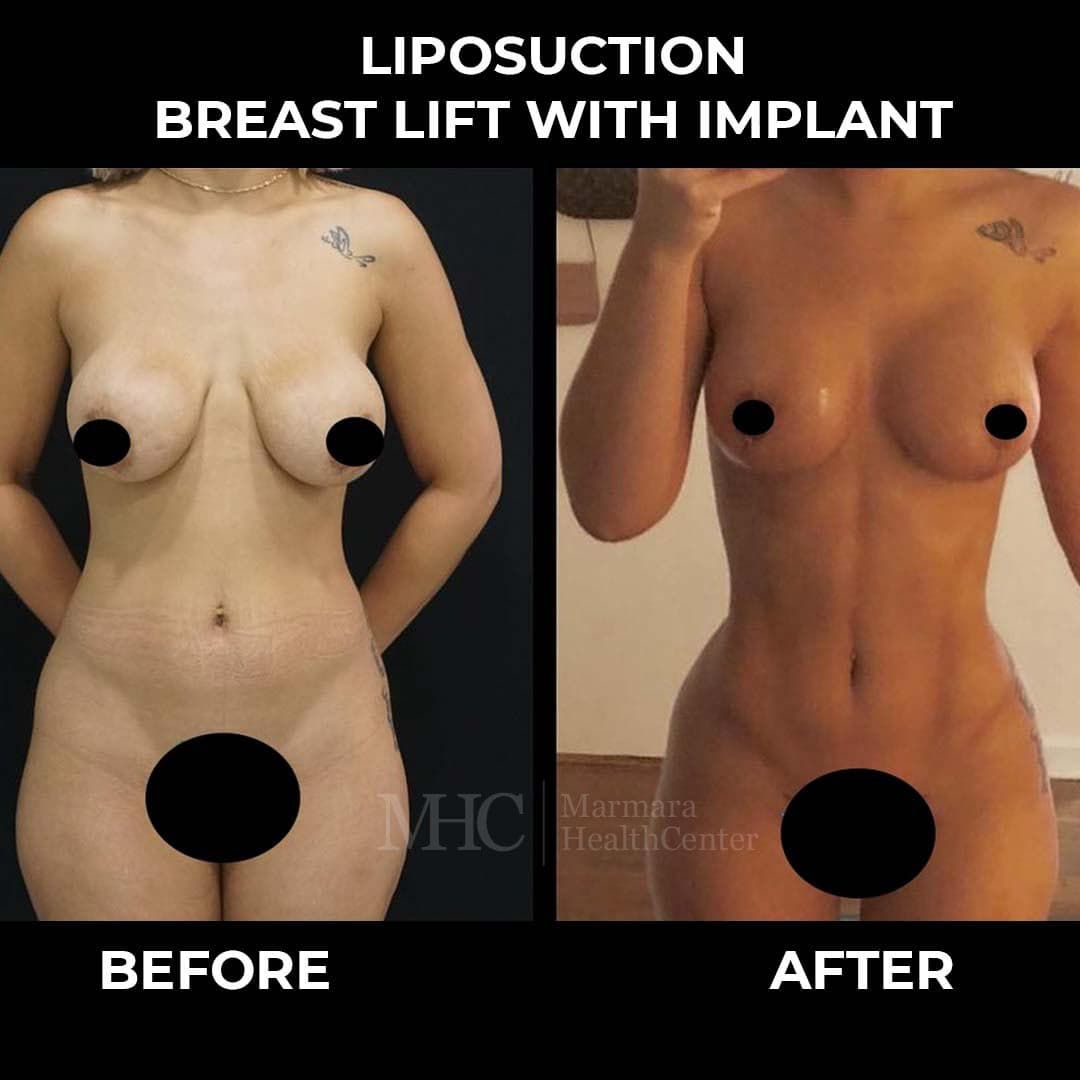
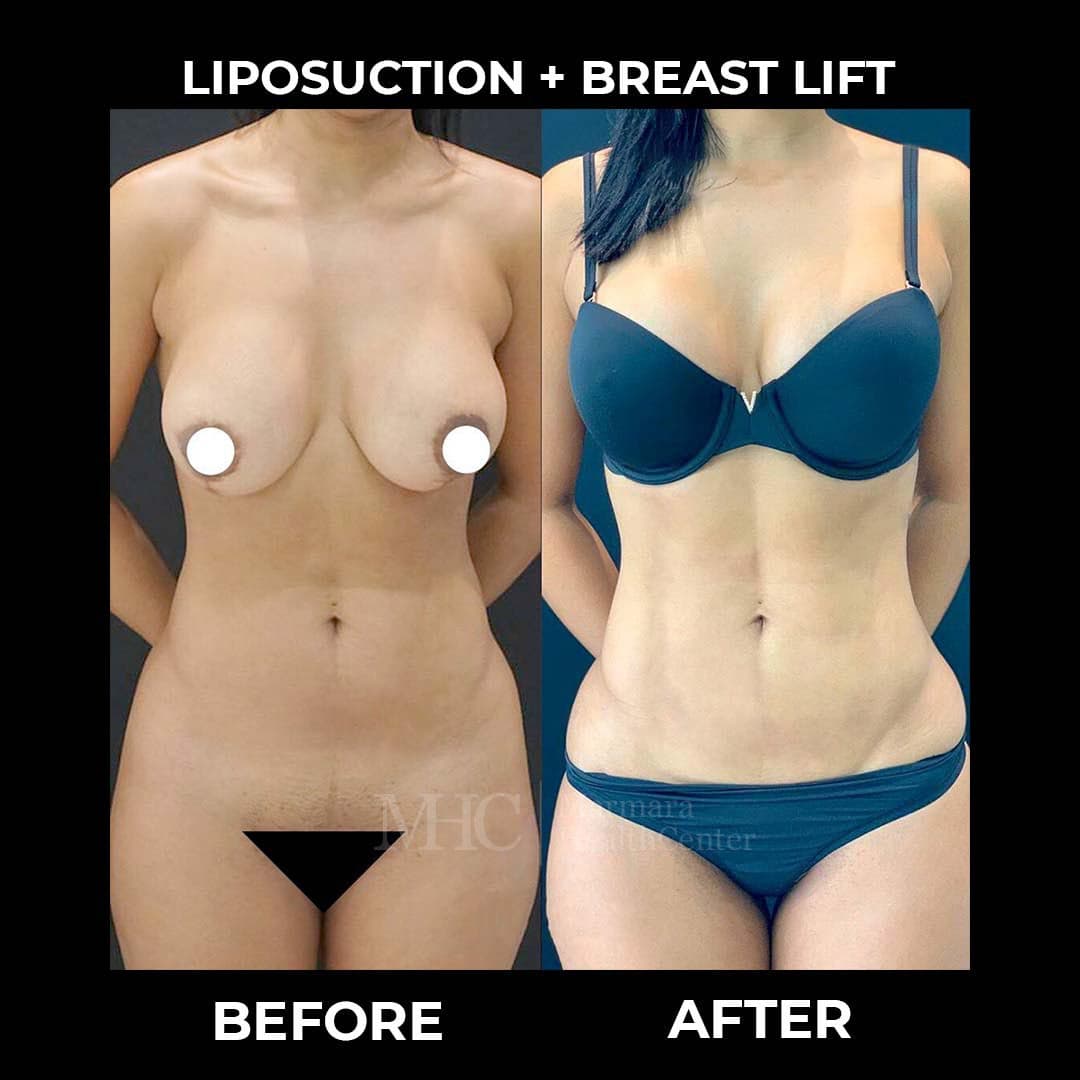
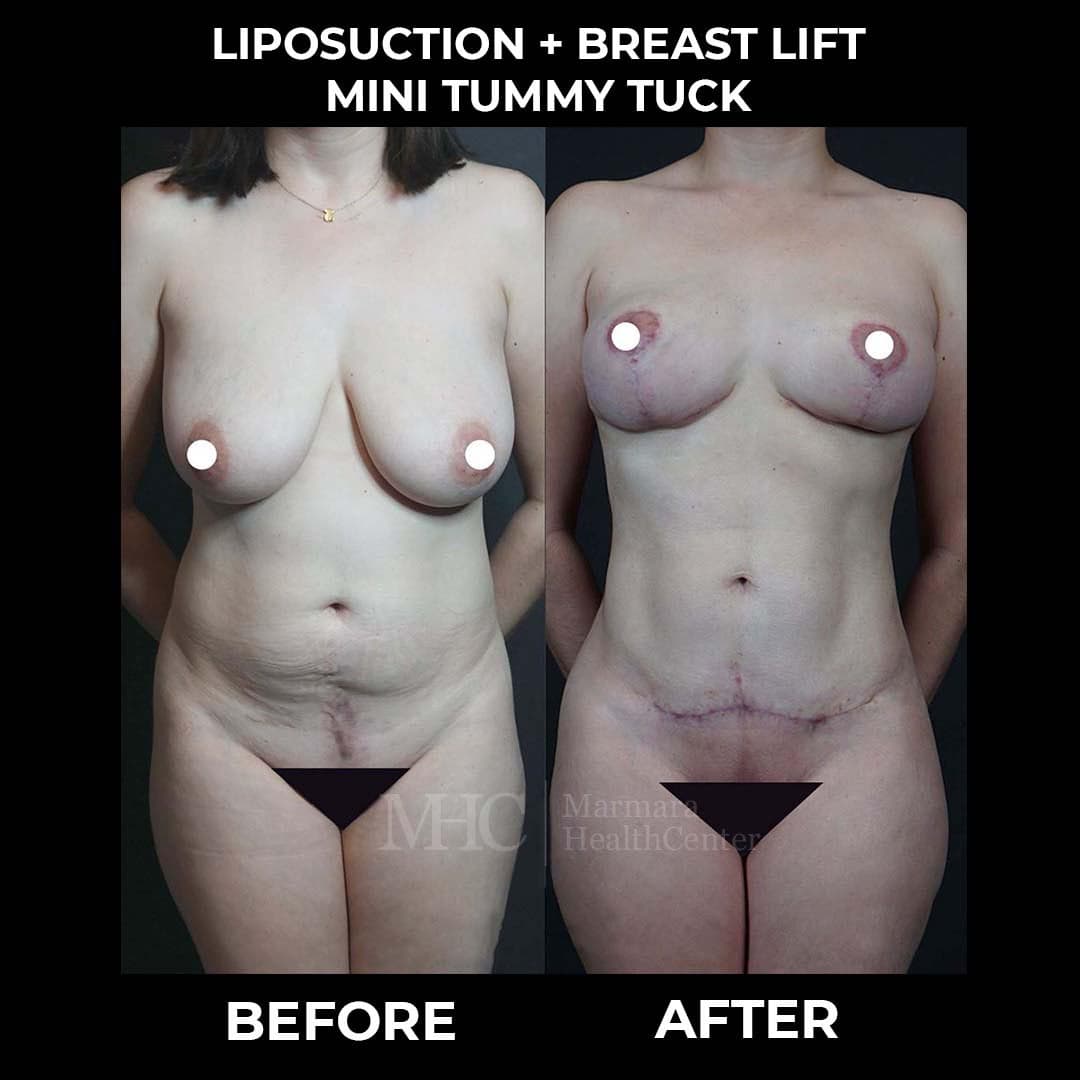
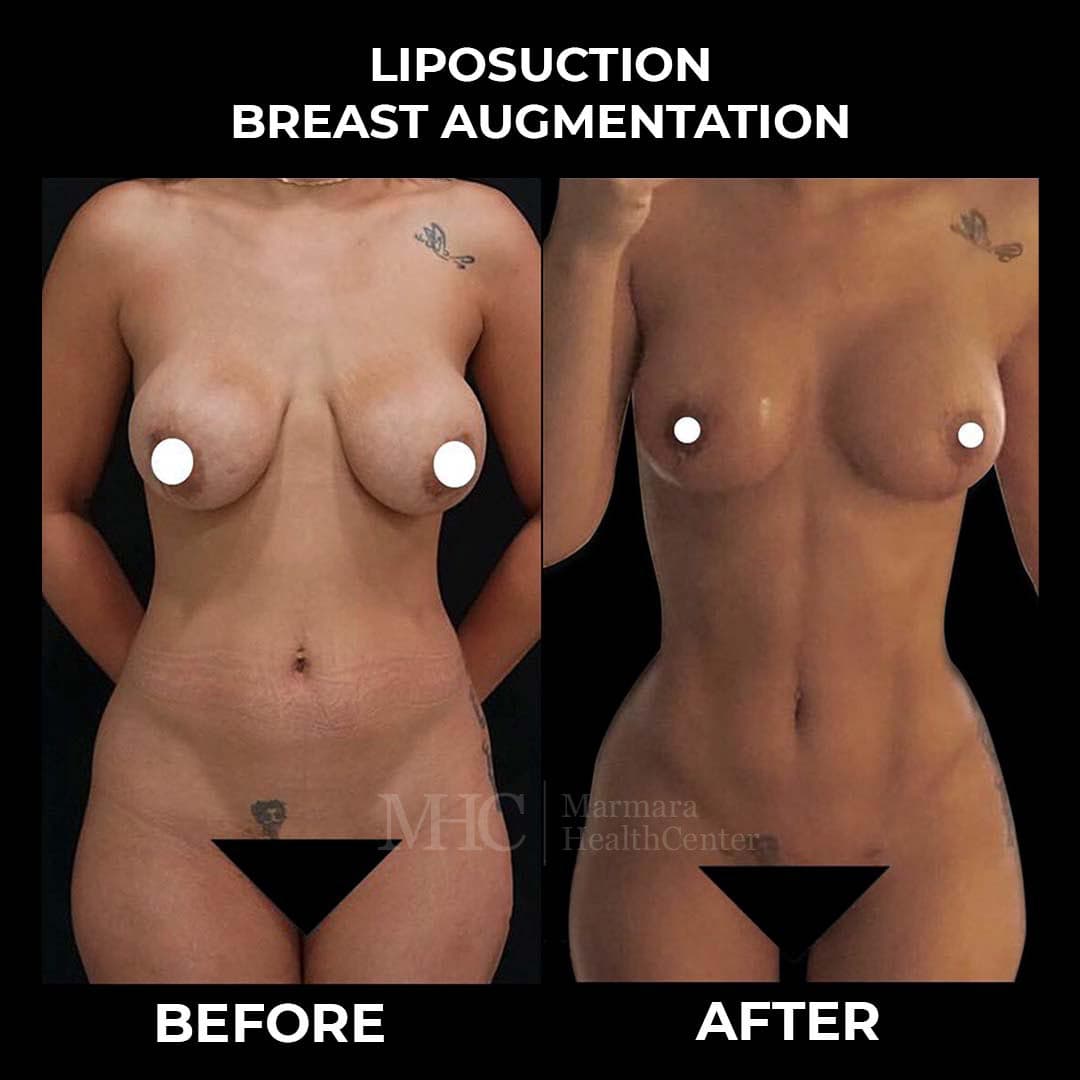
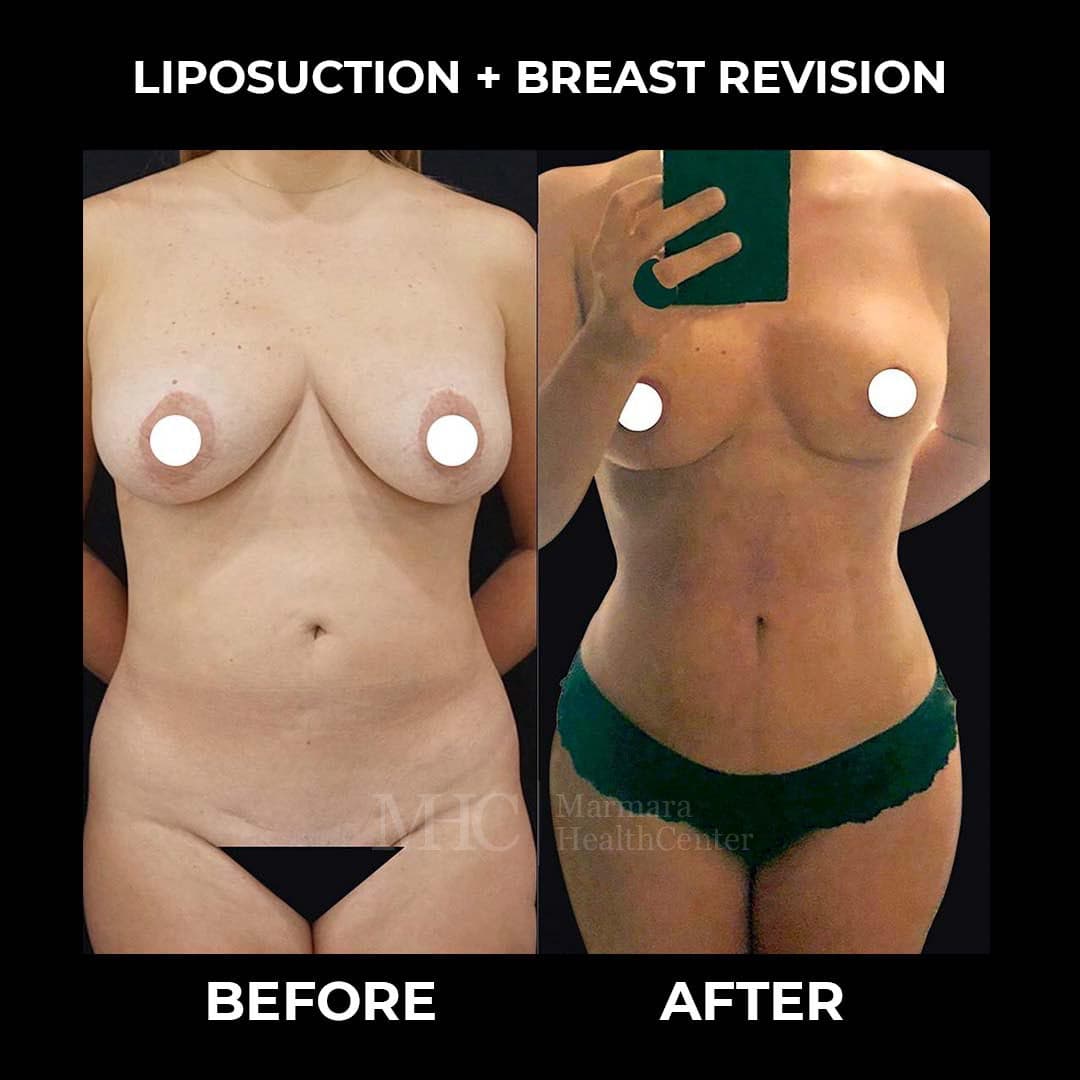
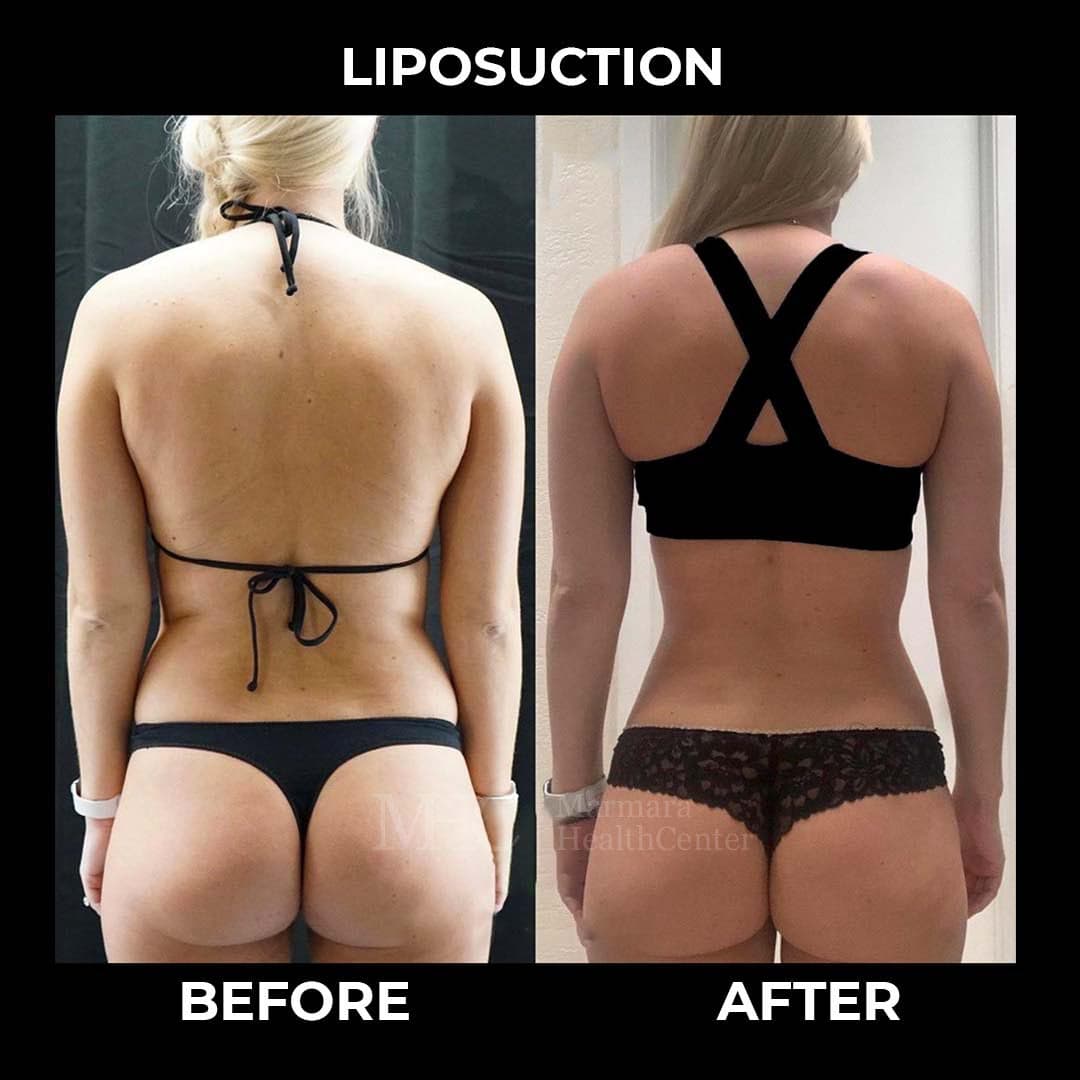
Liposuction is a body-contouring procedure that removes stubborn, localised fat deposits through a thin cannula to reshape areas such as the abdomen, flanks, thighs, arms or chin. It refines body shape where diet and exercise have not worked — it is a contouring tool, not a weight-loss method.
Liposuction uses small incisions and a thin tube (cannula) to loosen and suction out fat from targeted areas, often with the tumescent technique that reduces bleeding and discomfort. It permanently removes fat cells from the treated area to improve contour. It works best on people near their target weight with good skin elasticity.
Liposuction is tailored to the areas being treated:
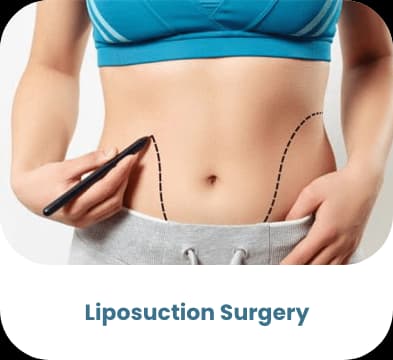
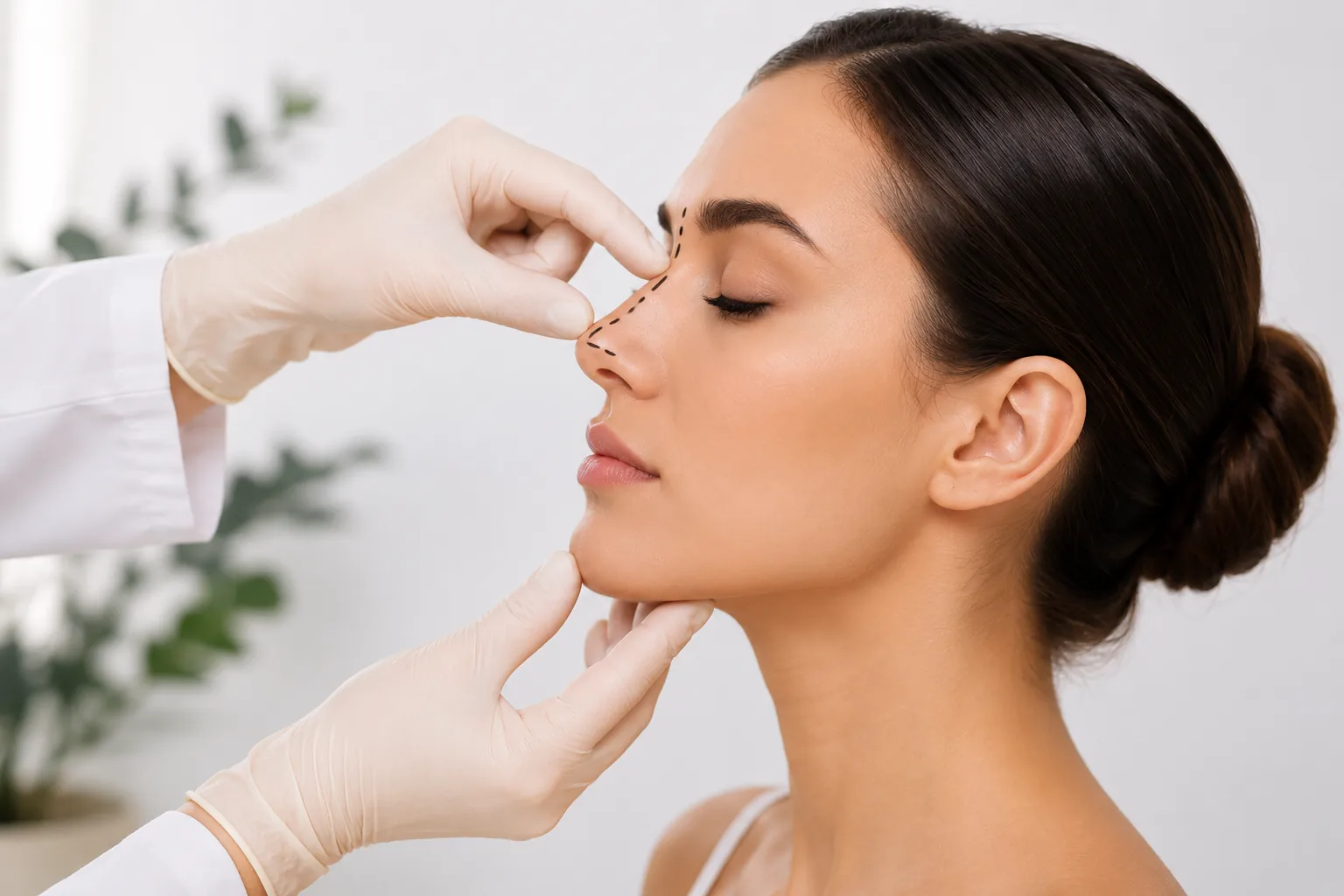
Assessment & marking — target areas are reviewed and marked while standing.
Anaesthesia — general anaesthesia, or local with sedation for smaller areas.
Fat removal — through tiny incisions a cannula loosens and suctions fat evenly for a smooth contour.
Recovery — a compression garment supports healing and helps the skin retract.
You may be a suitable candidate if you:
Are close to your target weight with localised, stubborn fat
Have good skin elasticity to retract over the new contour
Are bothered by areas that do not respond to diet and exercise
Are in good general health and a non-smoker (or can stop)
Have realistic expectations — it is contouring, not weight loss
Days 1–3Swelling and bruising; rest with the compression garment on
Week 1Most return to desk work; light walking
Weeks 4–6Compression garment as advised; gradual return to exercise
Months 3–6Swelling settles; final contour appears
Fat cells removed are gone permanently, but staying near your weight is important — significant weight gain can affect the remaining fat cells and your result.
Liposuction is a common, well-established procedure, but as with any surgery there are risks: swelling, bruising, temporary numbness, contour irregularities or asymmetry, fluid collection (seroma), and the small risks of anaesthesia. Treating very large volumes raises risk, so a staged, conservative approach is safer. Wearing the compression garment and following aftercare improve smoothness and recovery.
Ministry-authorised health tourism — operating under the Republic of Türkiye Ministry of Health Health Tourism Authorization Certificate and a member of Health Türkiye.
Experienced multidisciplinary team — strong academic background and a high volume of successful procedures.
Accredited partner hospital — treatment in a fully equipped, modern clinical setting.
All-inclusive care — free online consultation, VIP airport transfers, accommodation, interpreter support and follow-up.