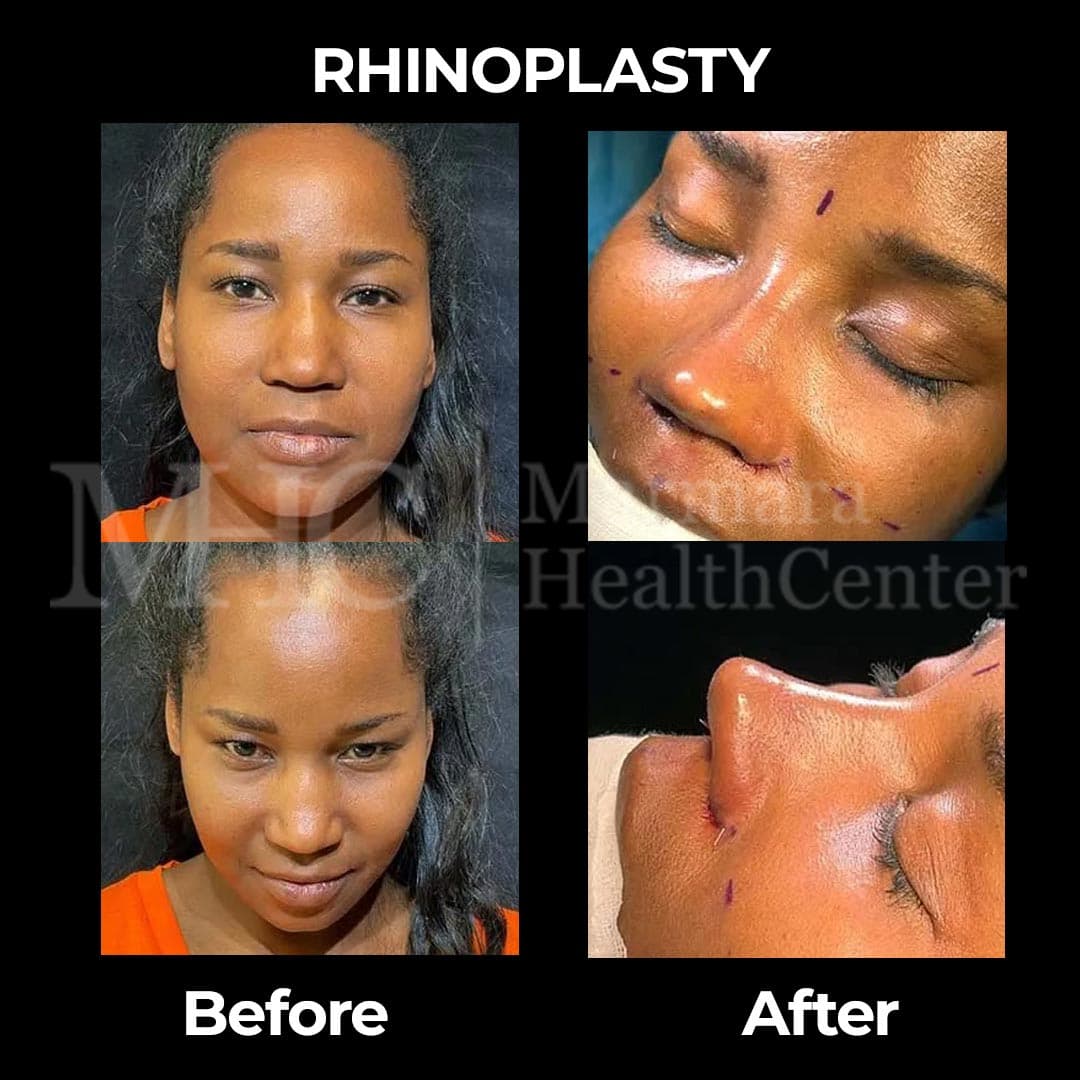
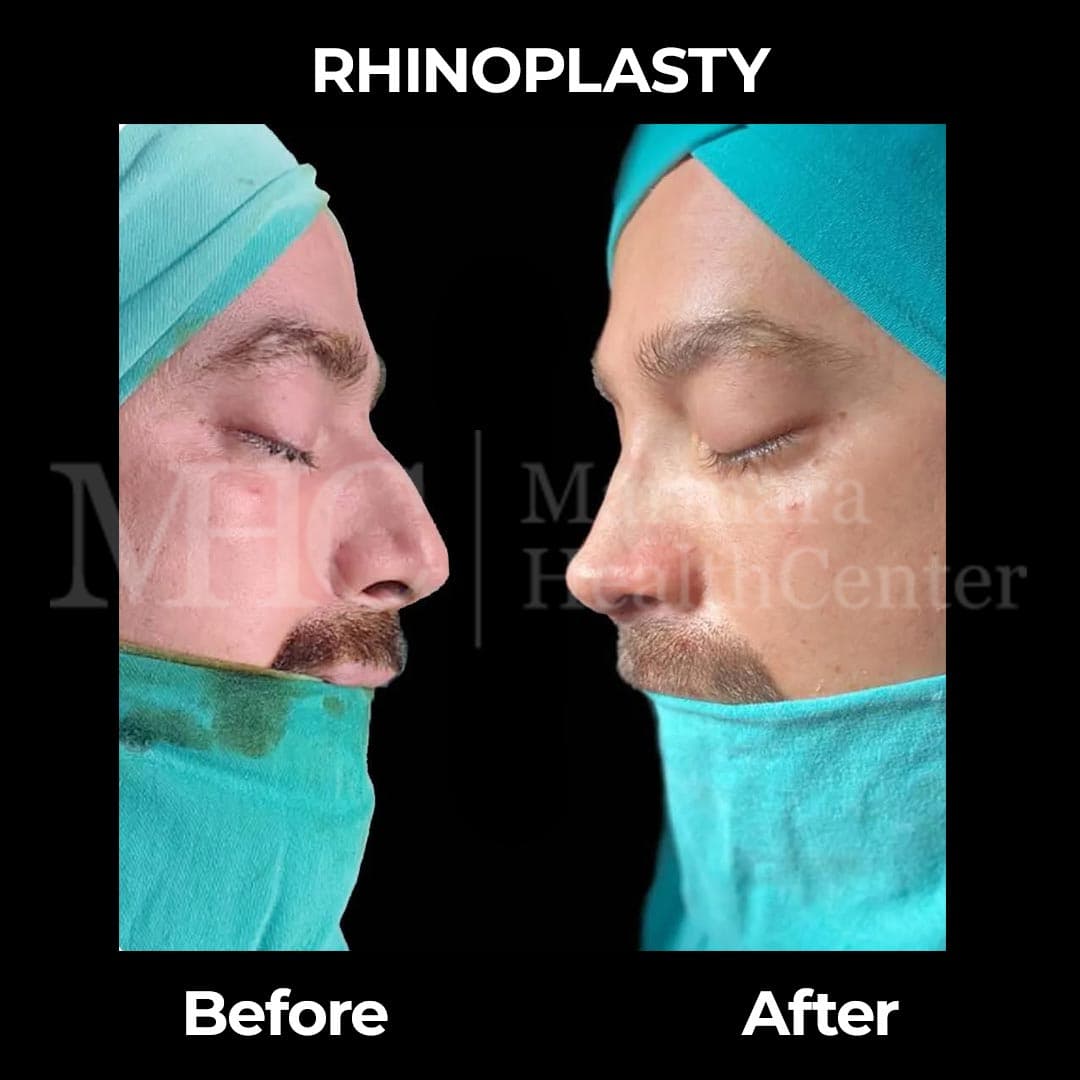
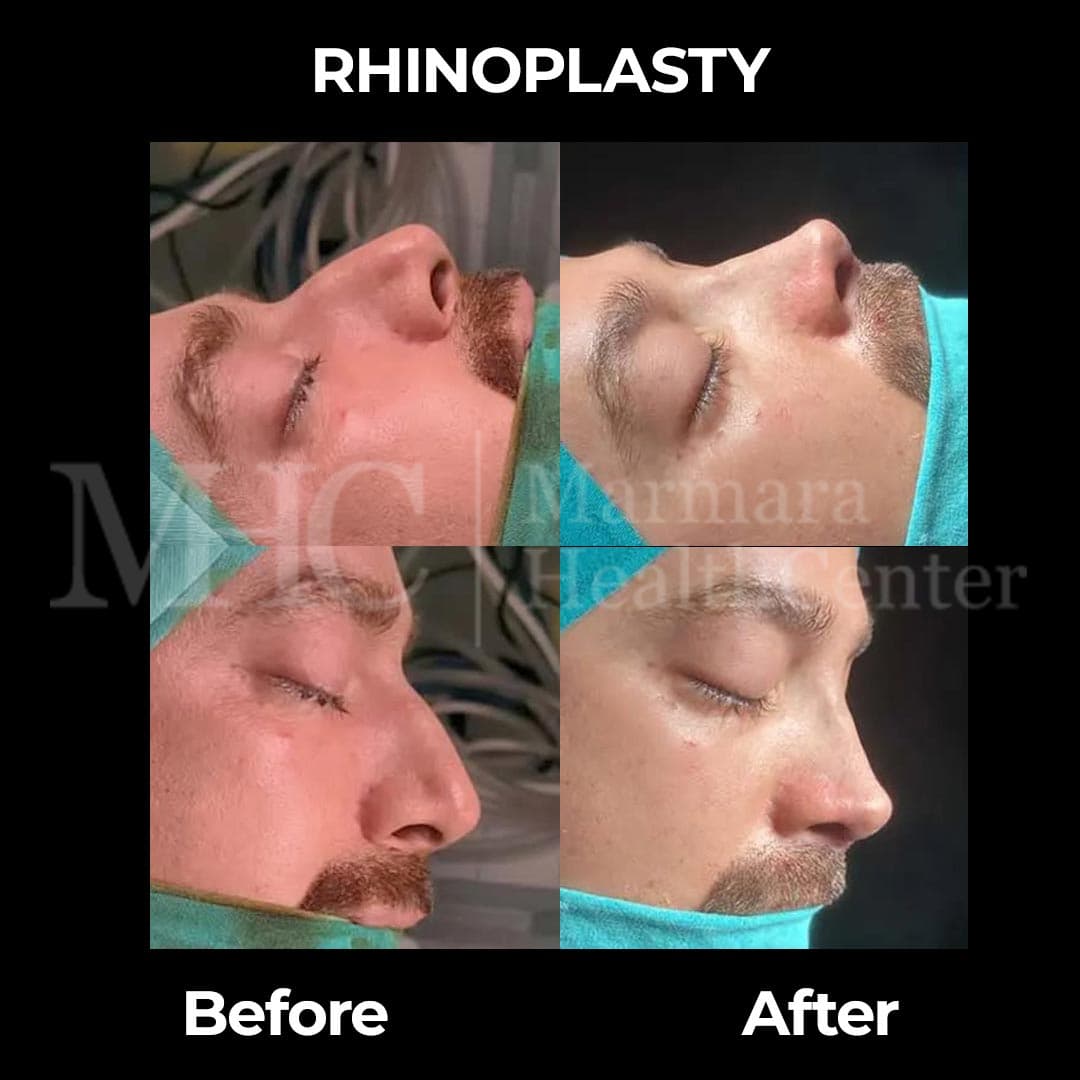
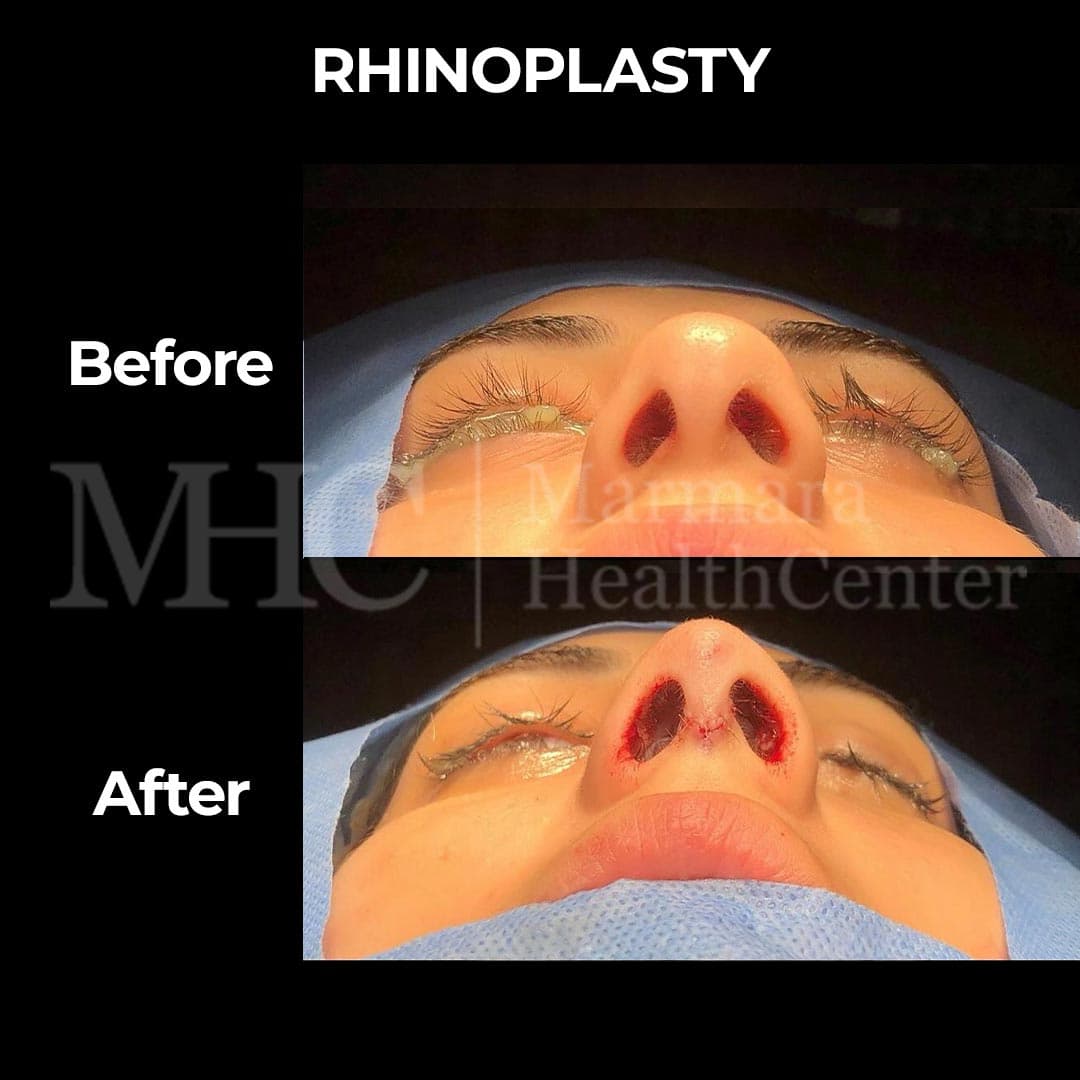
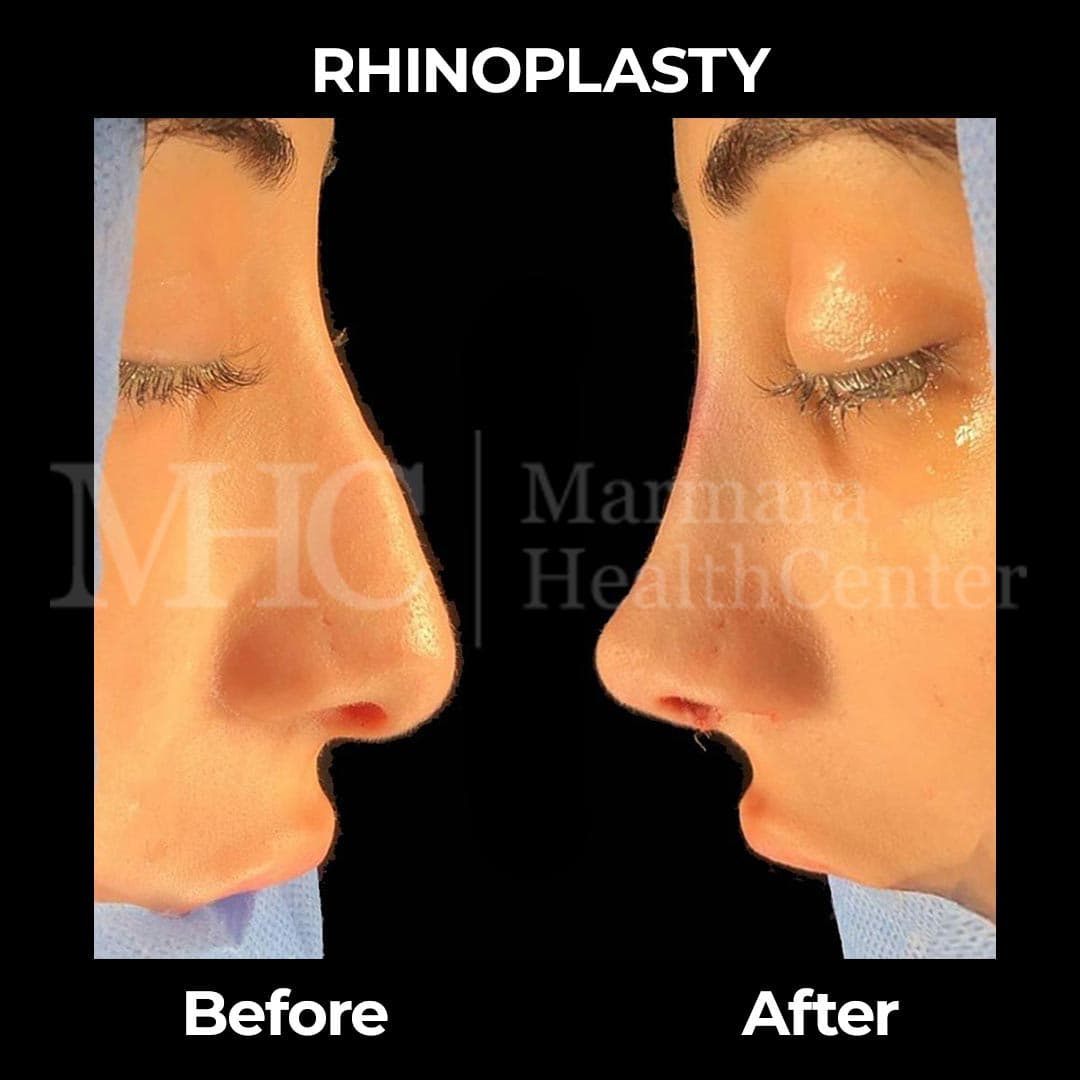
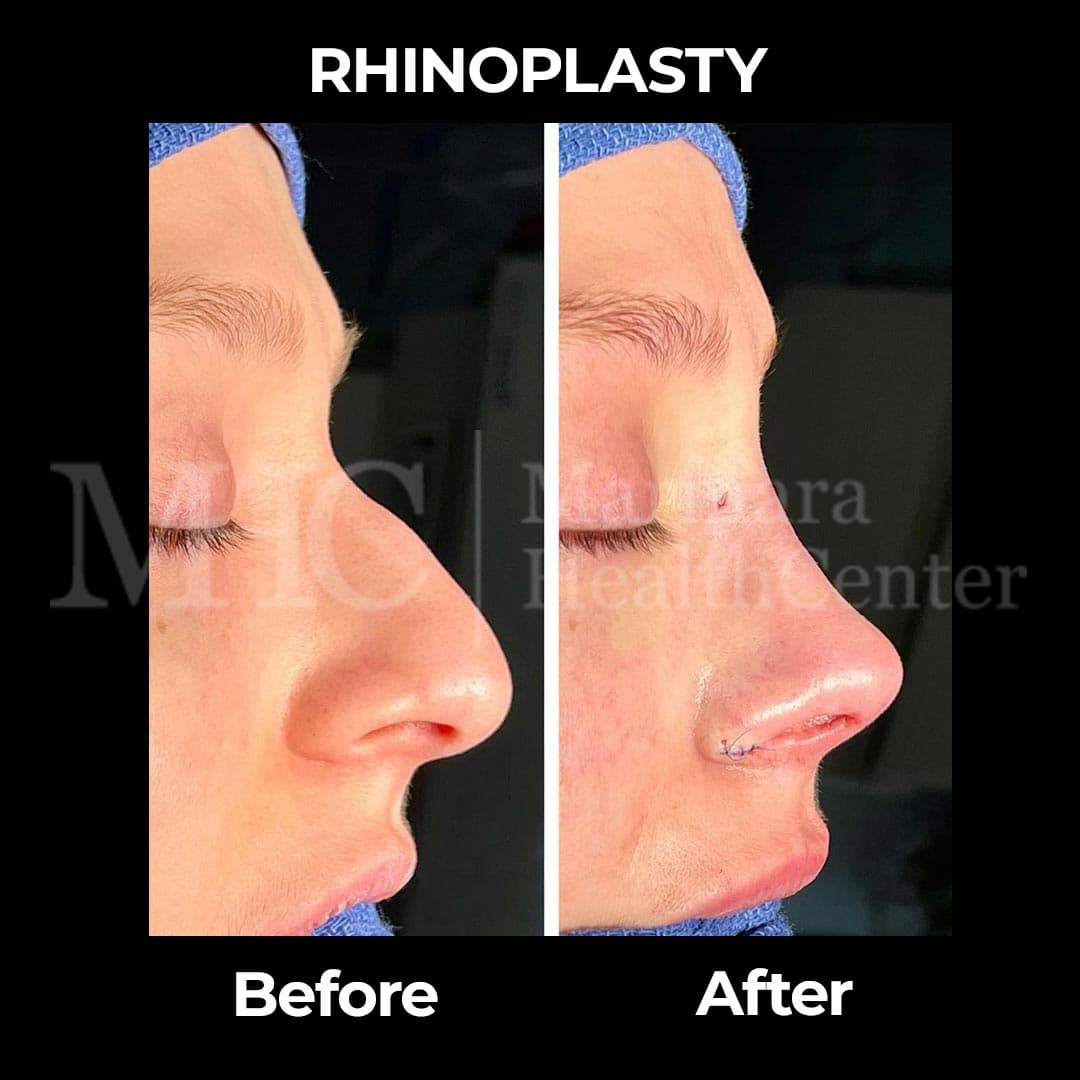
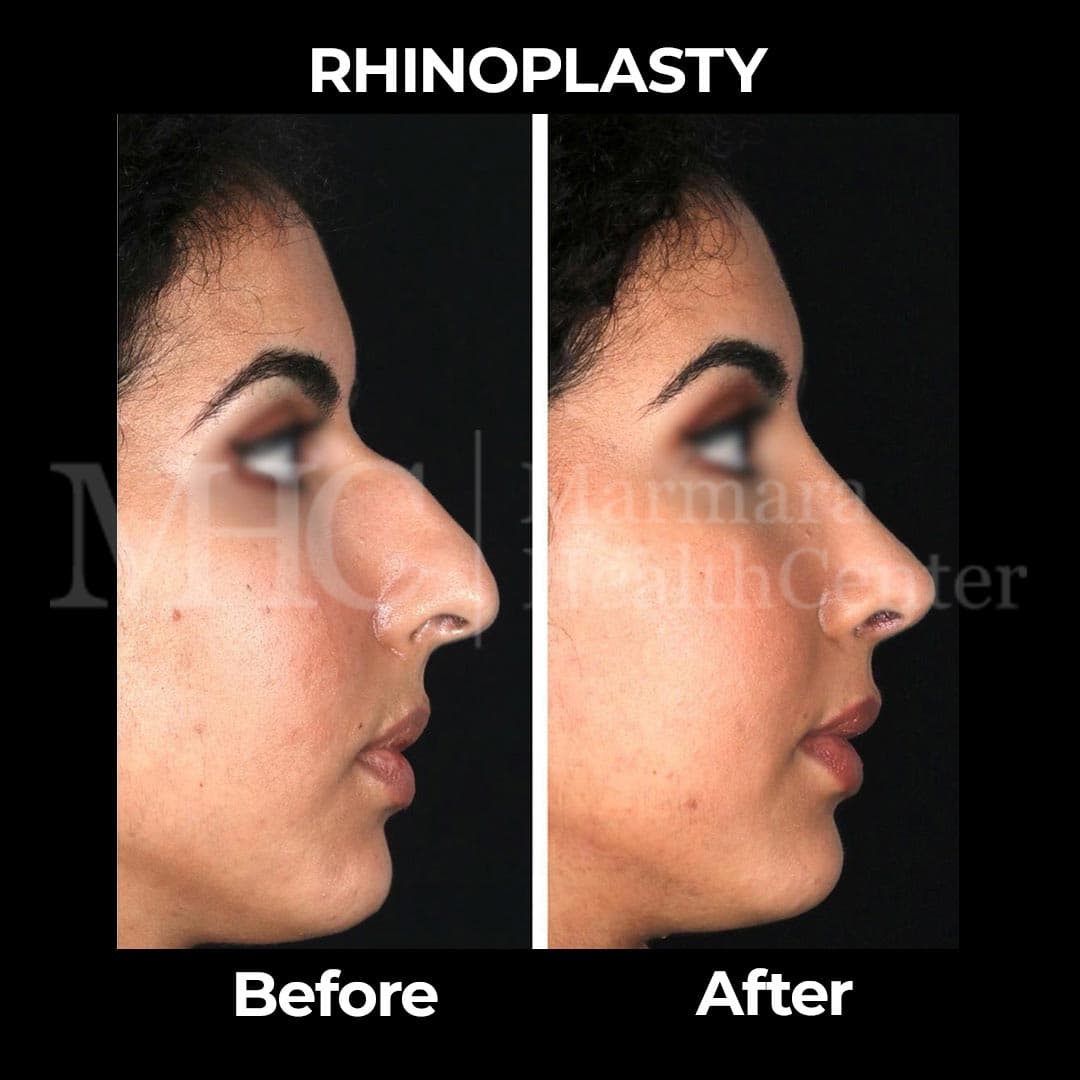
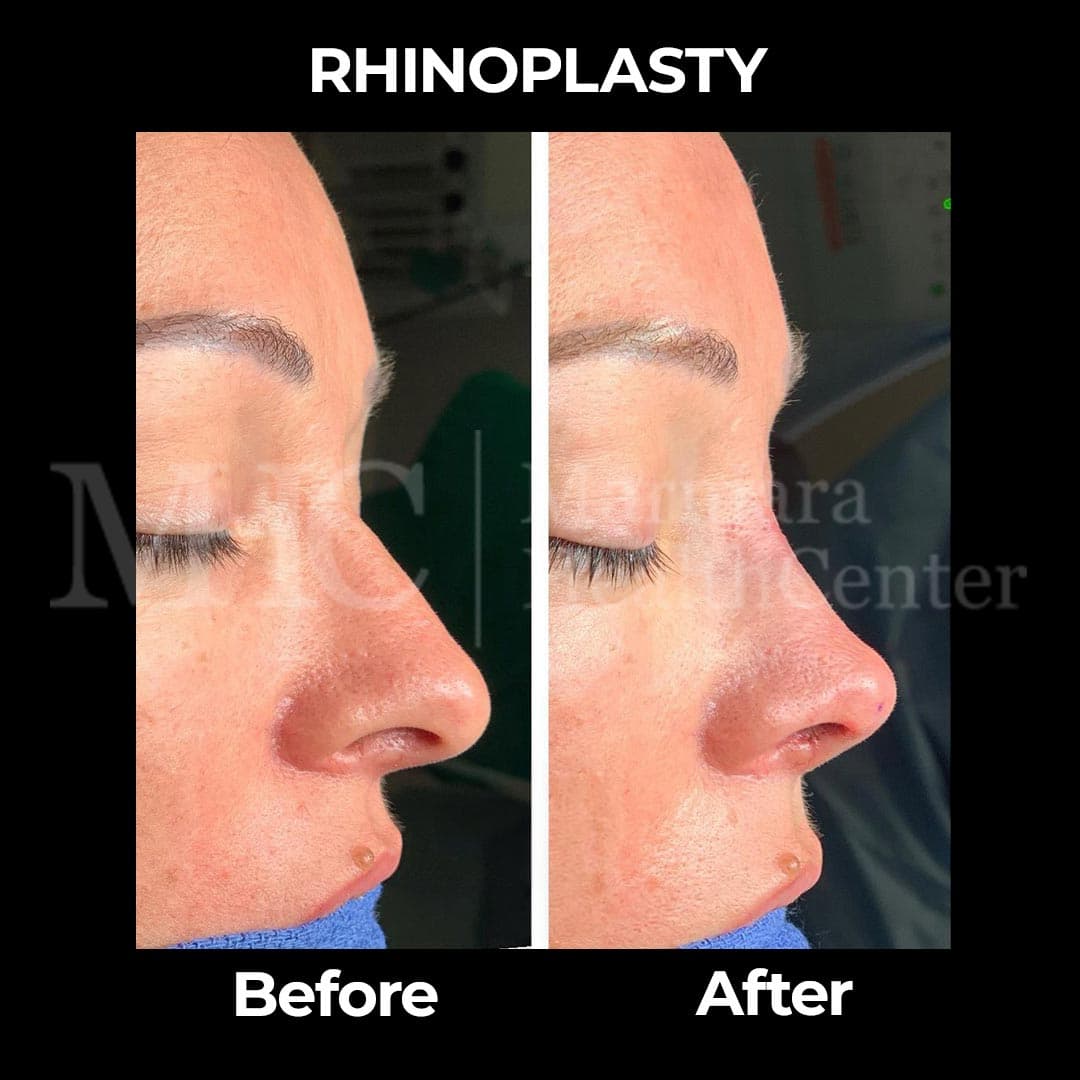
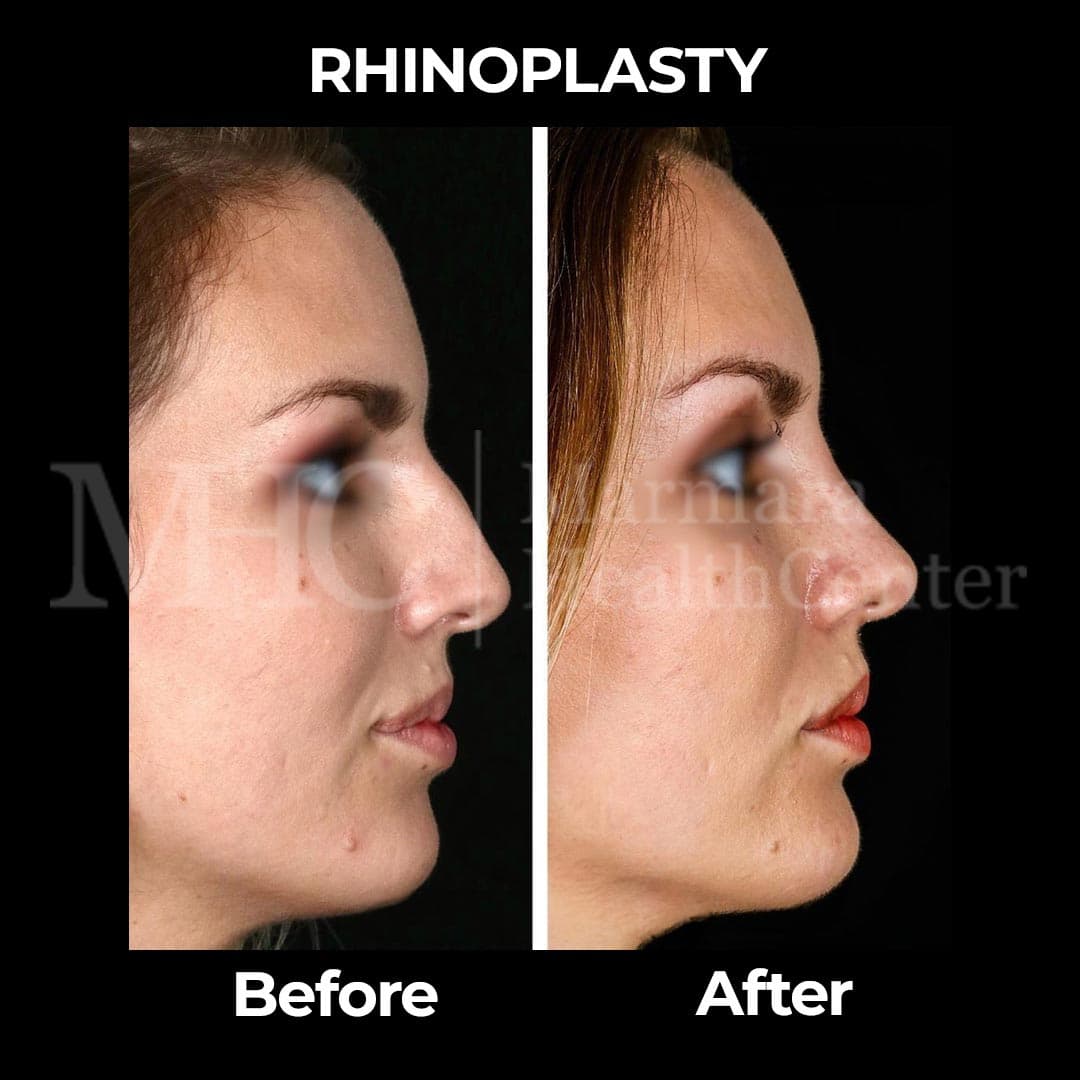
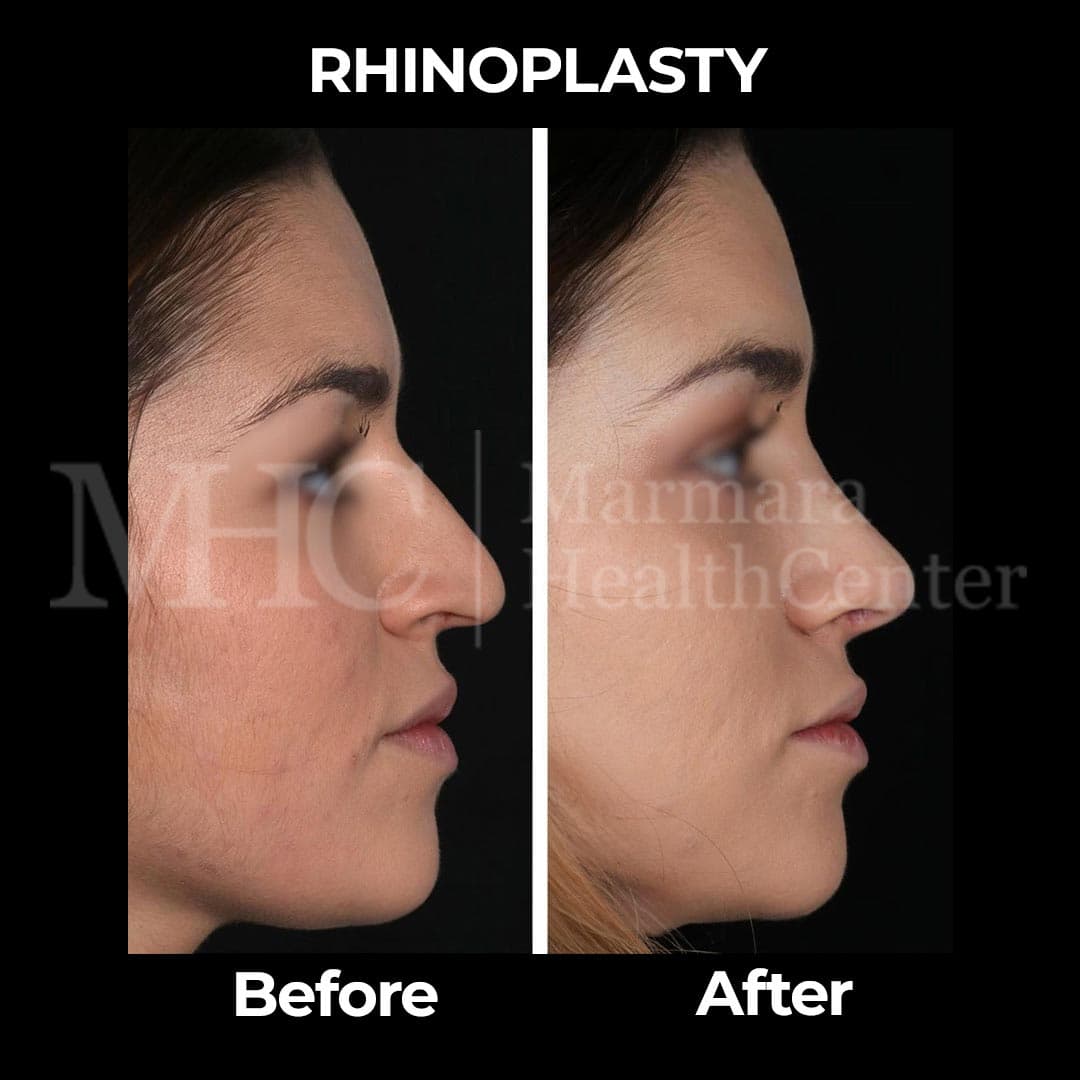
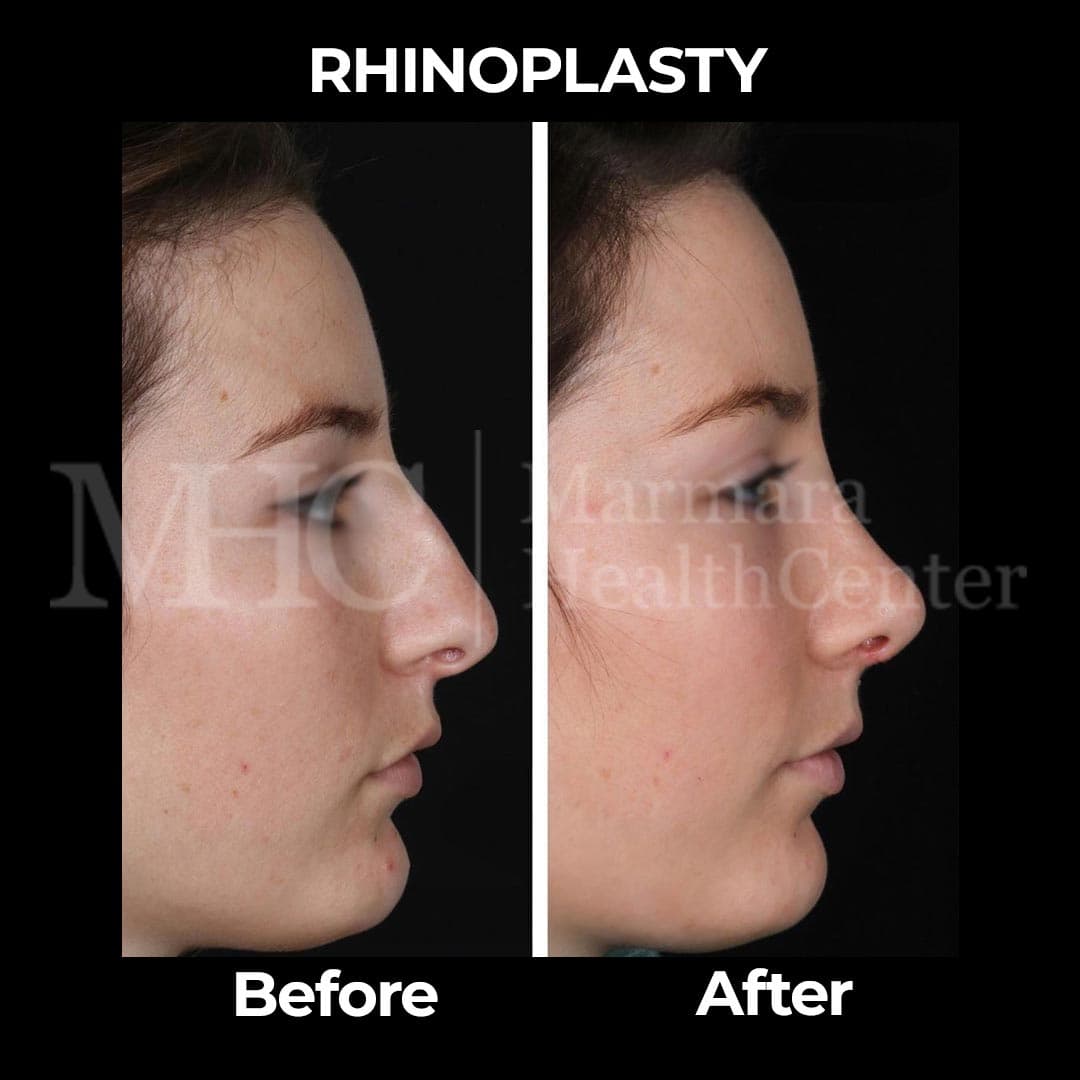
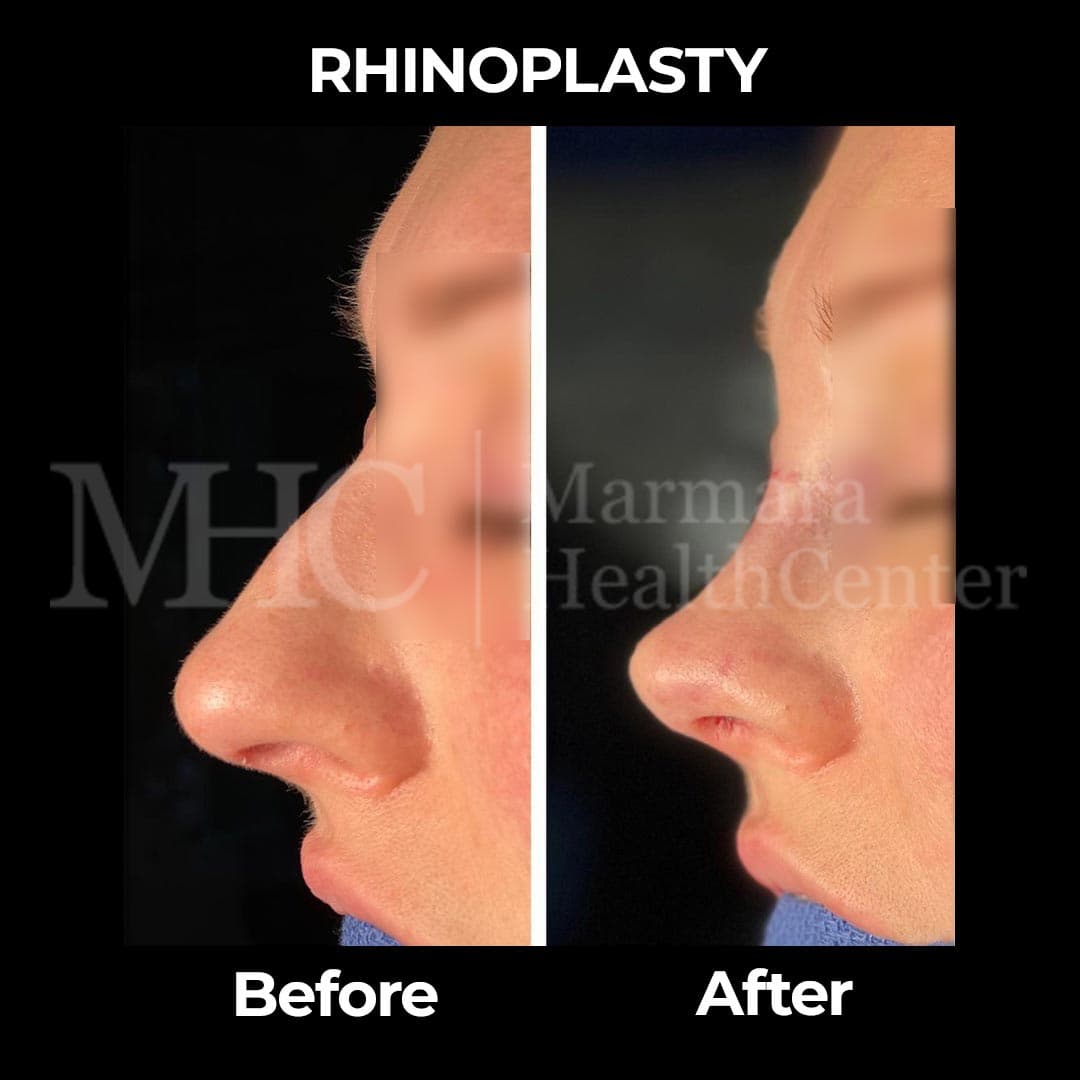
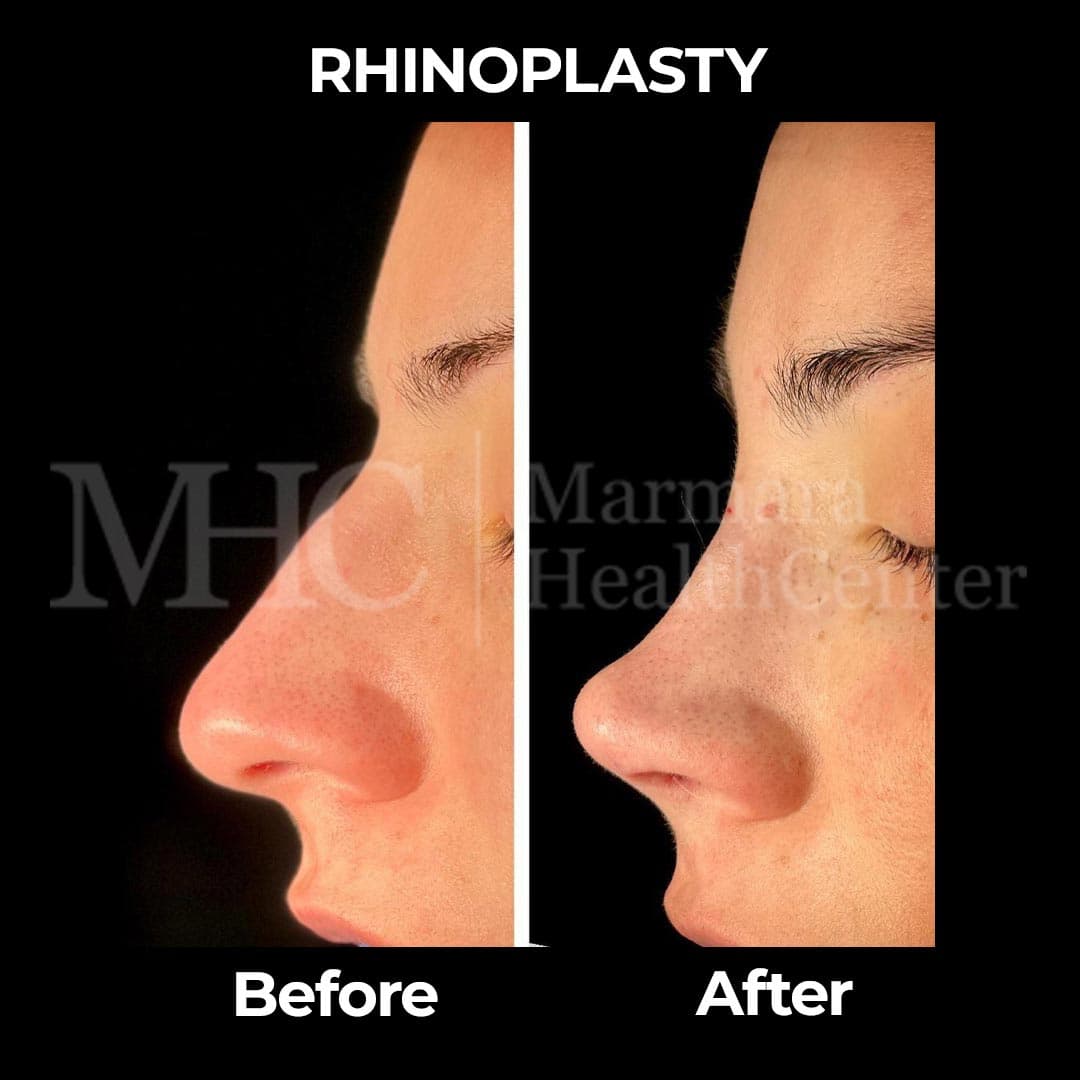
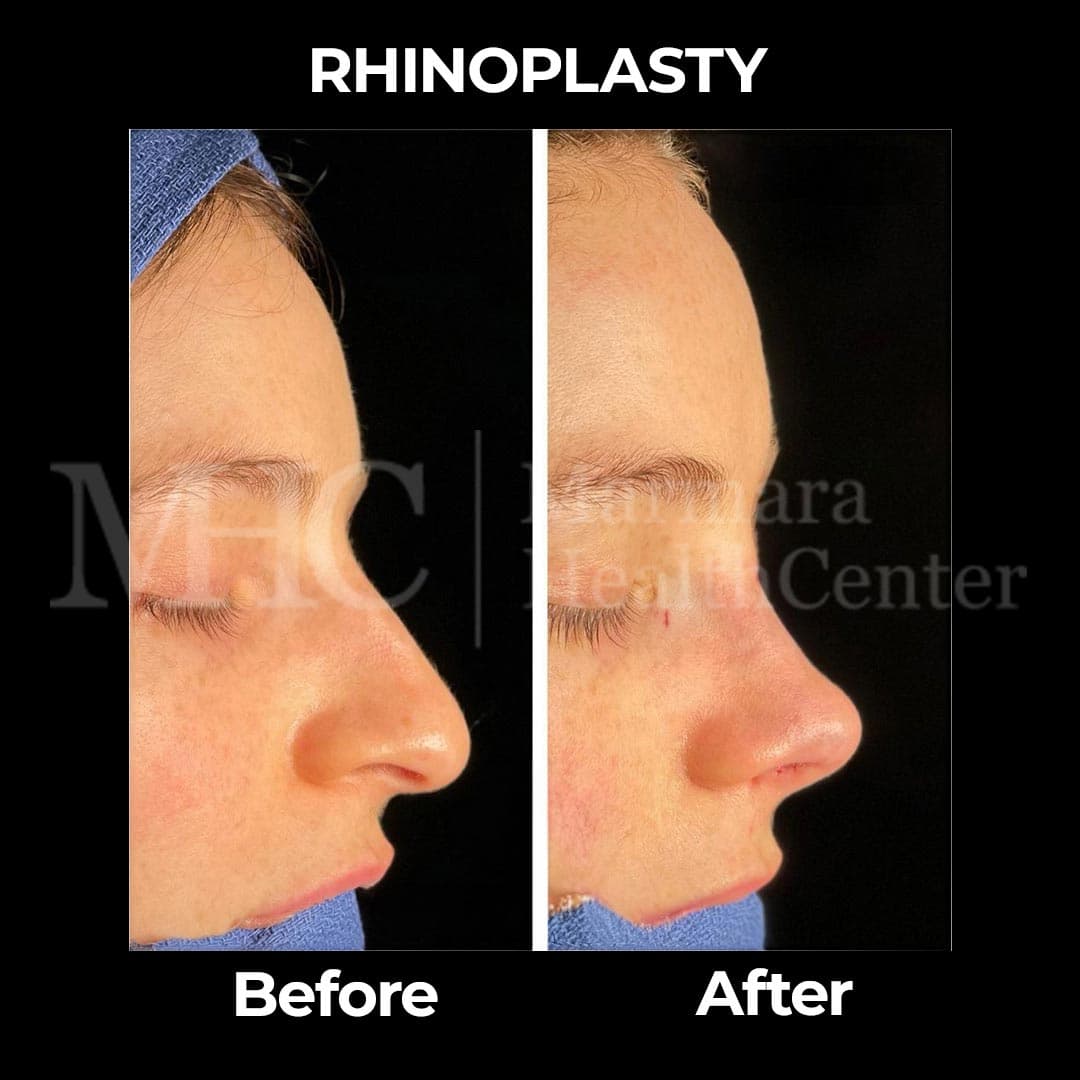
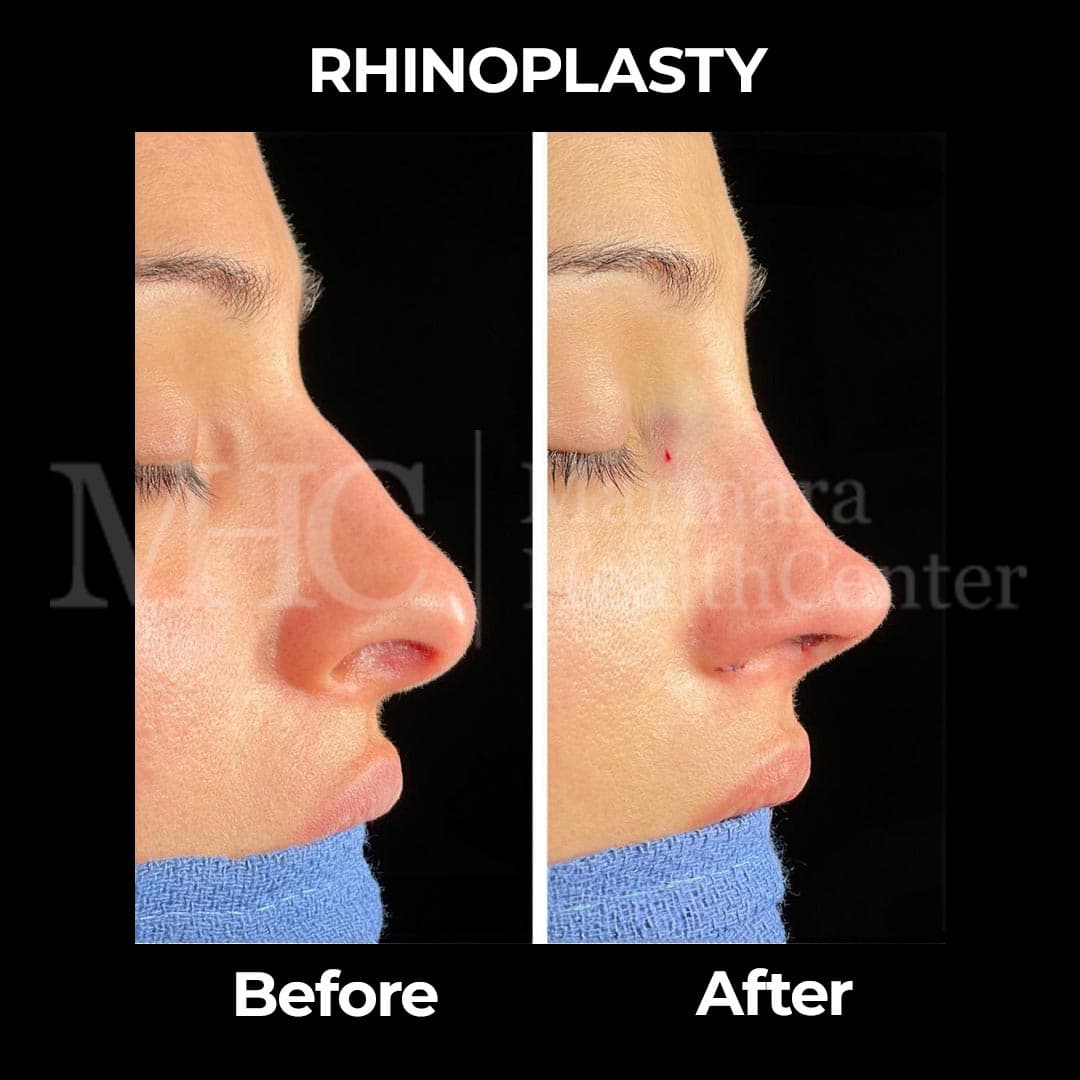
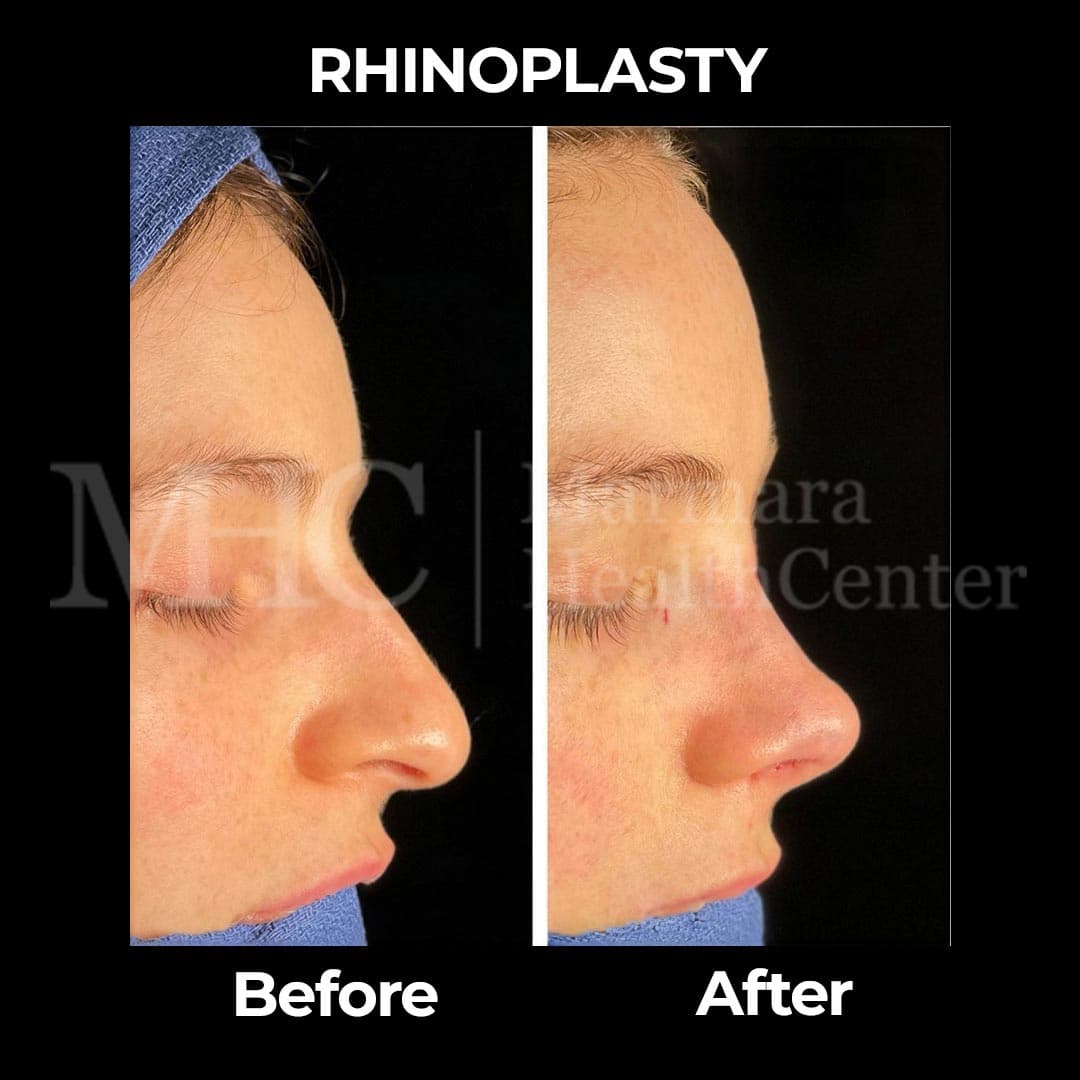
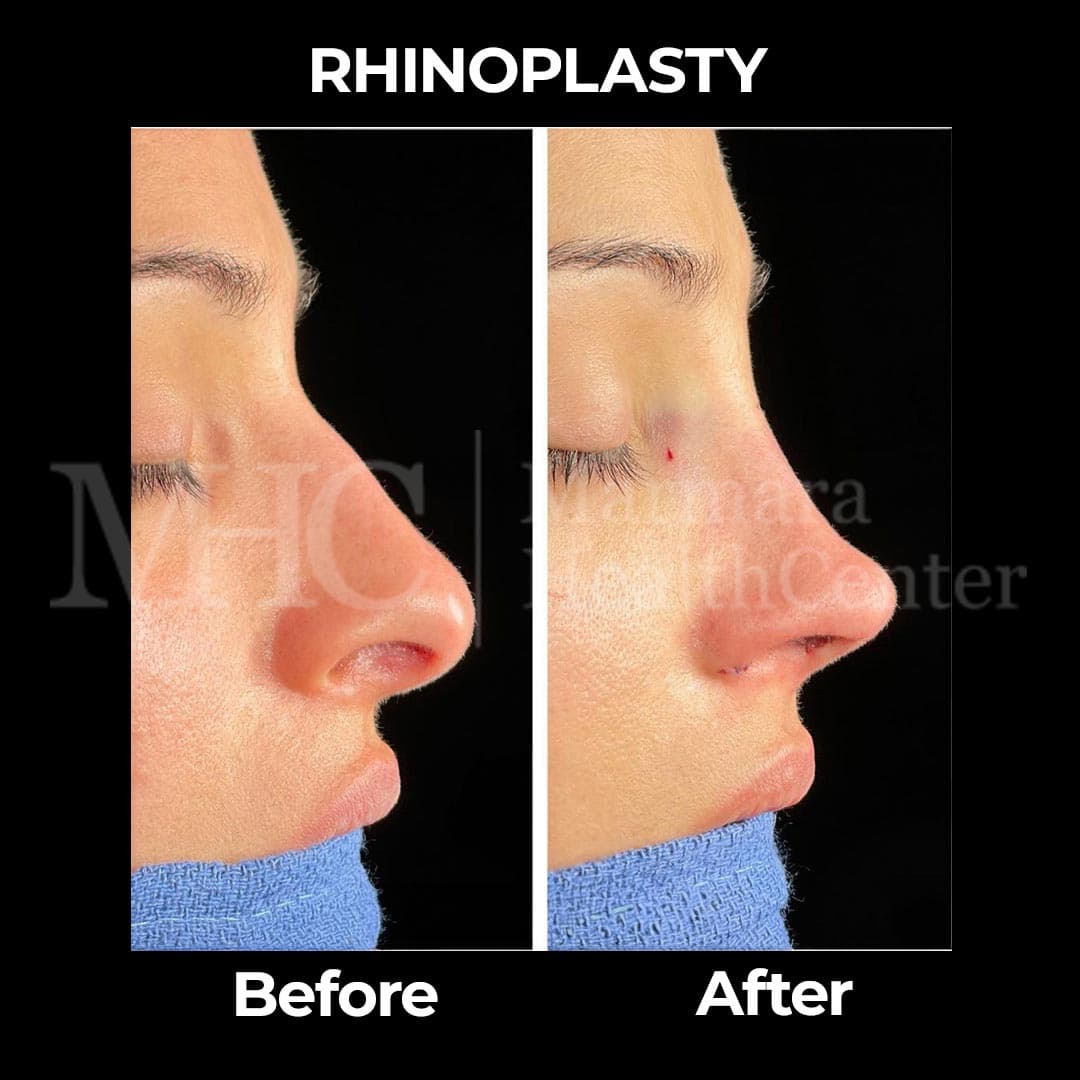
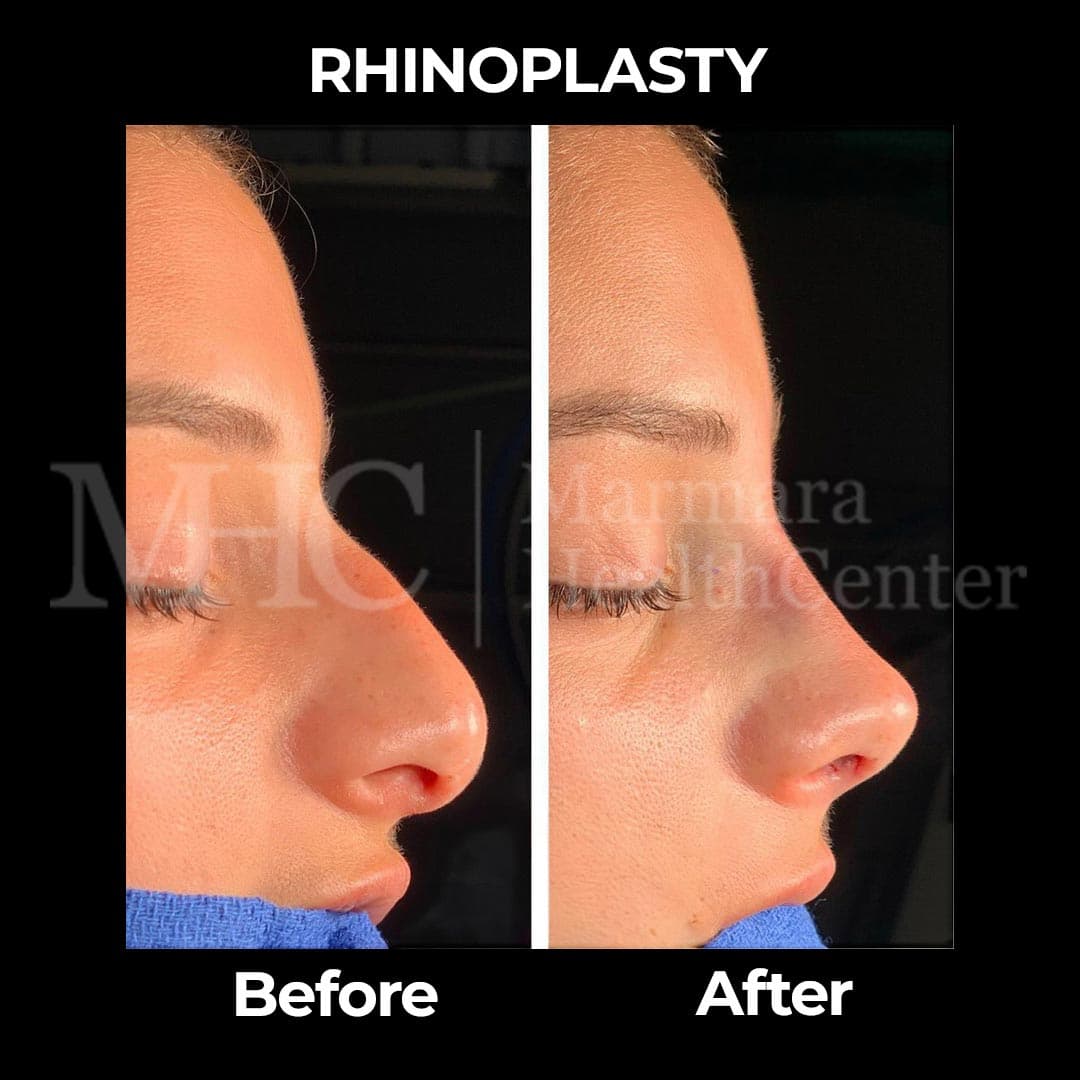
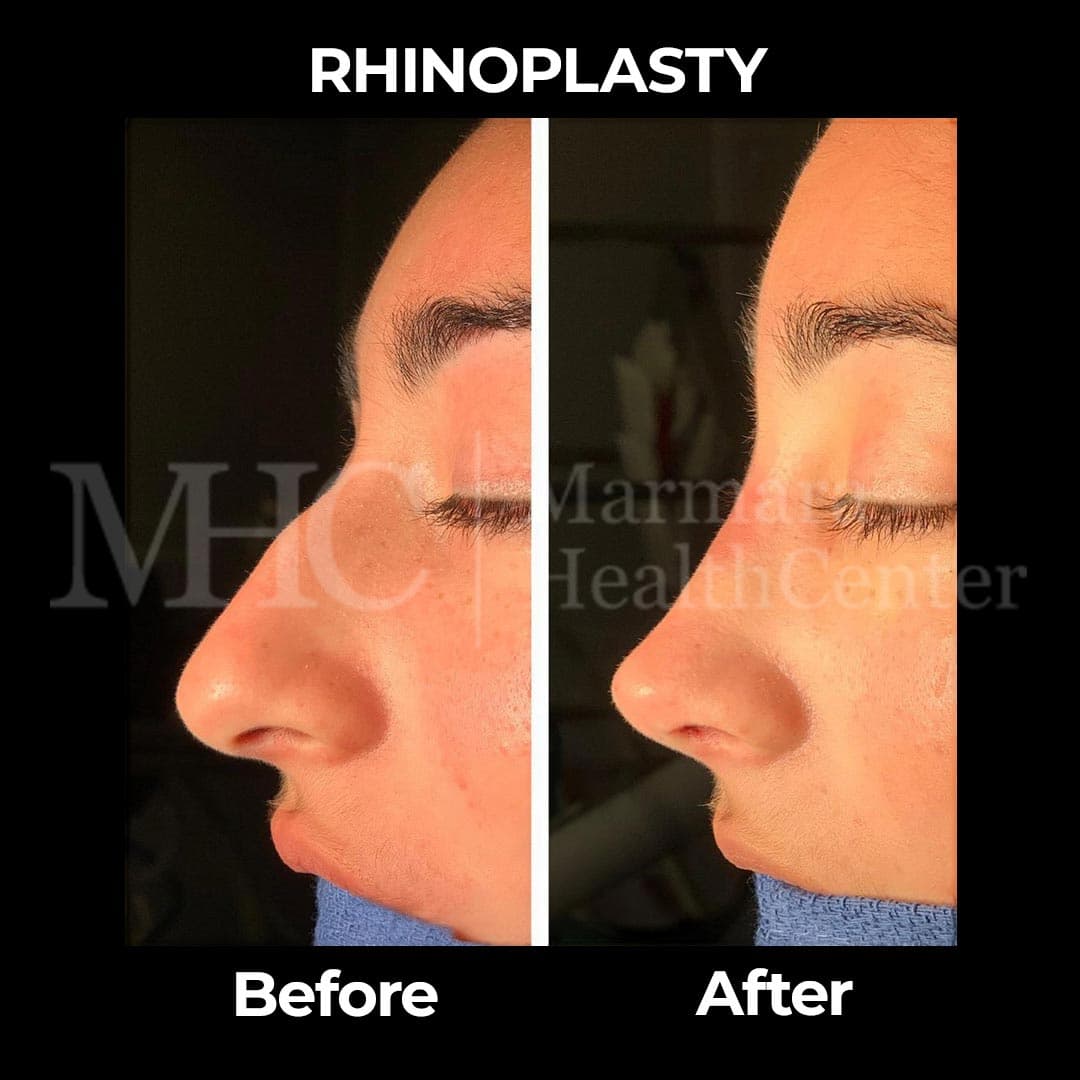
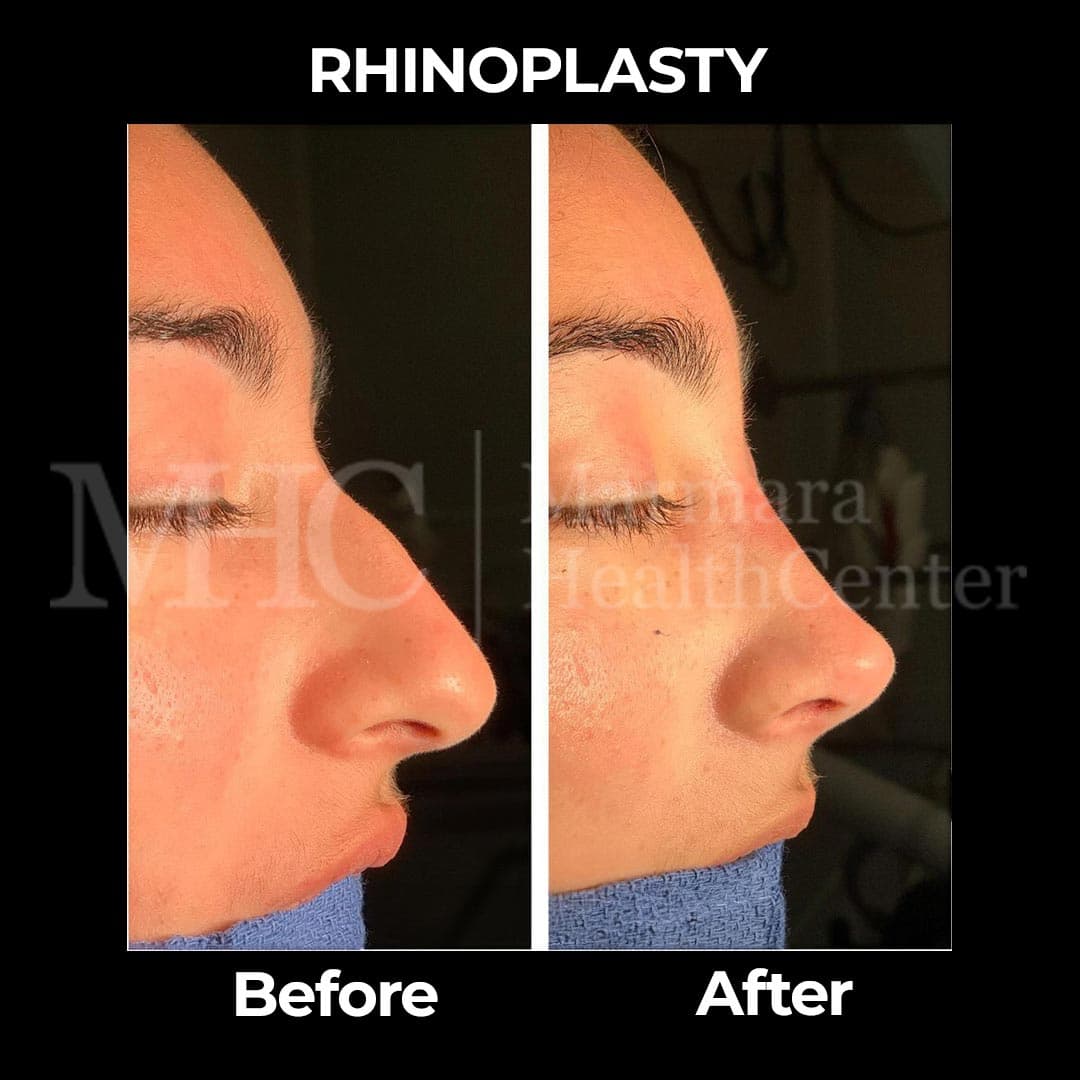
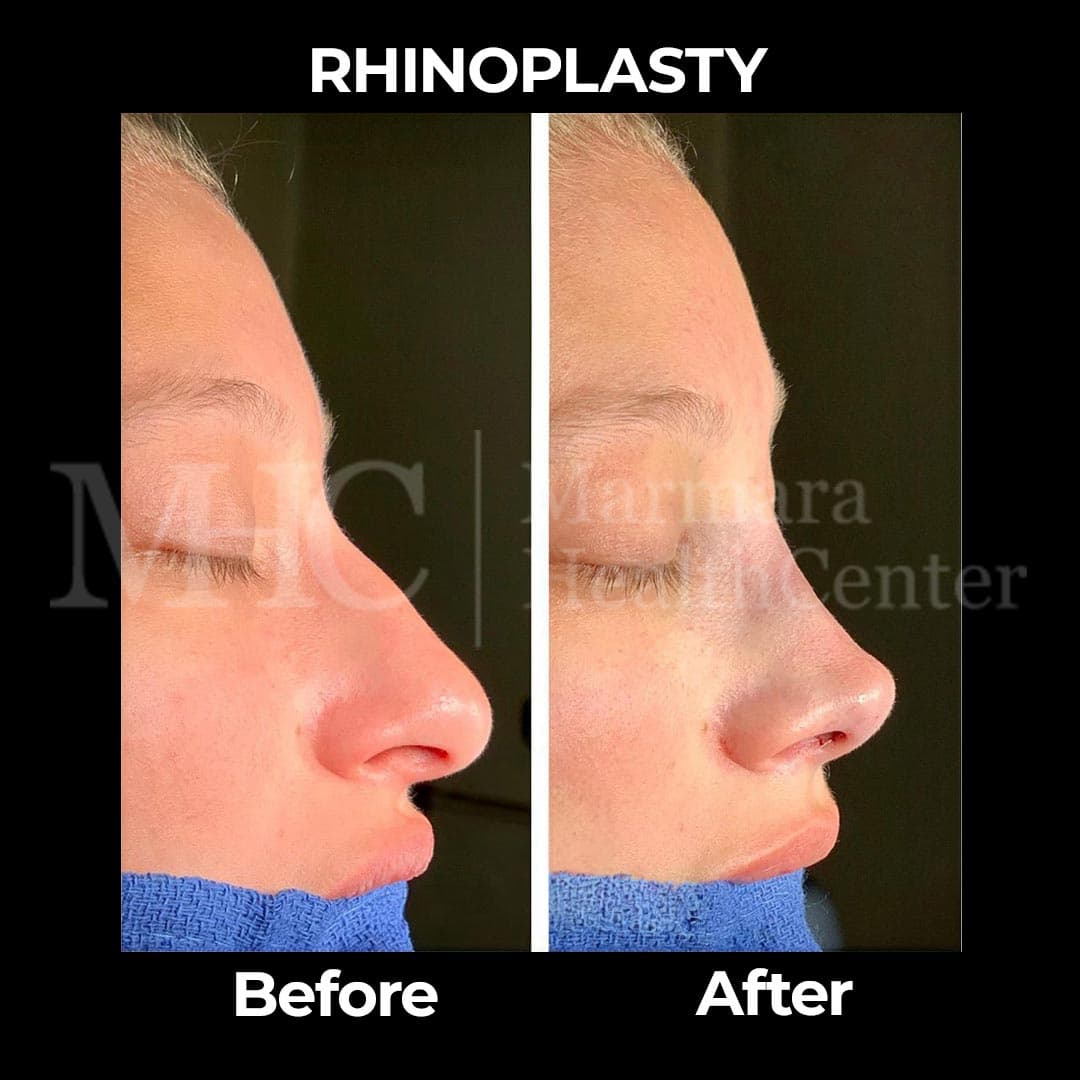
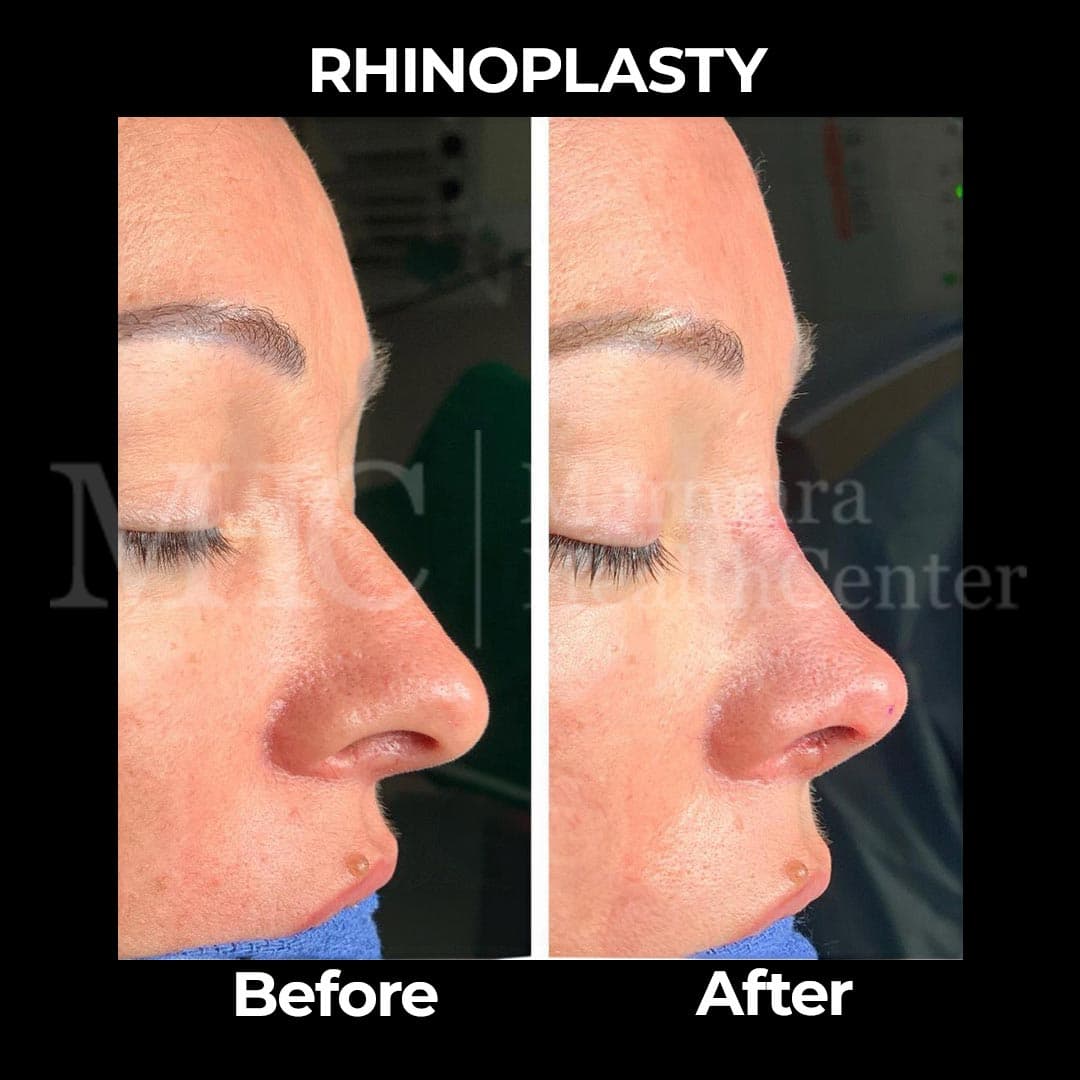
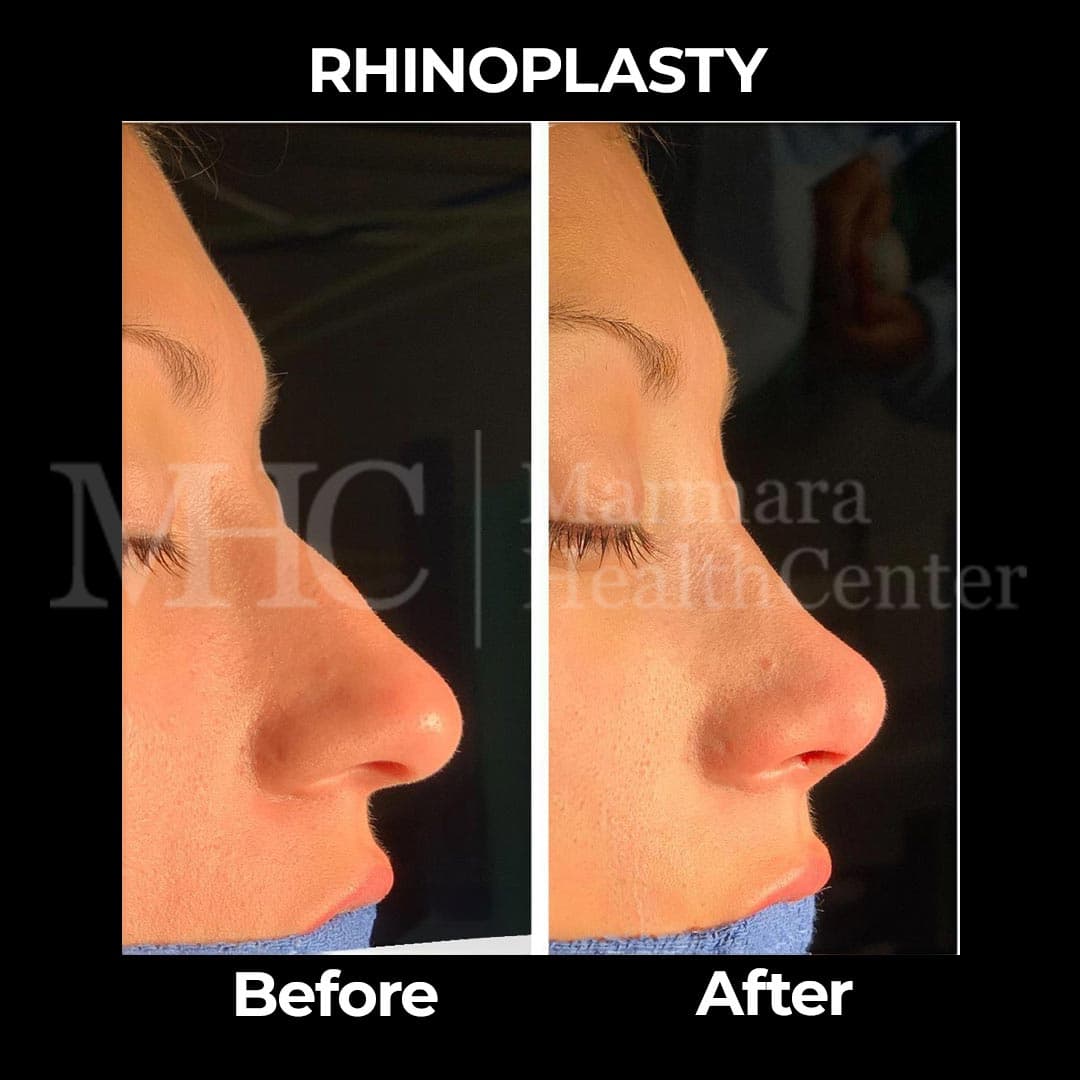
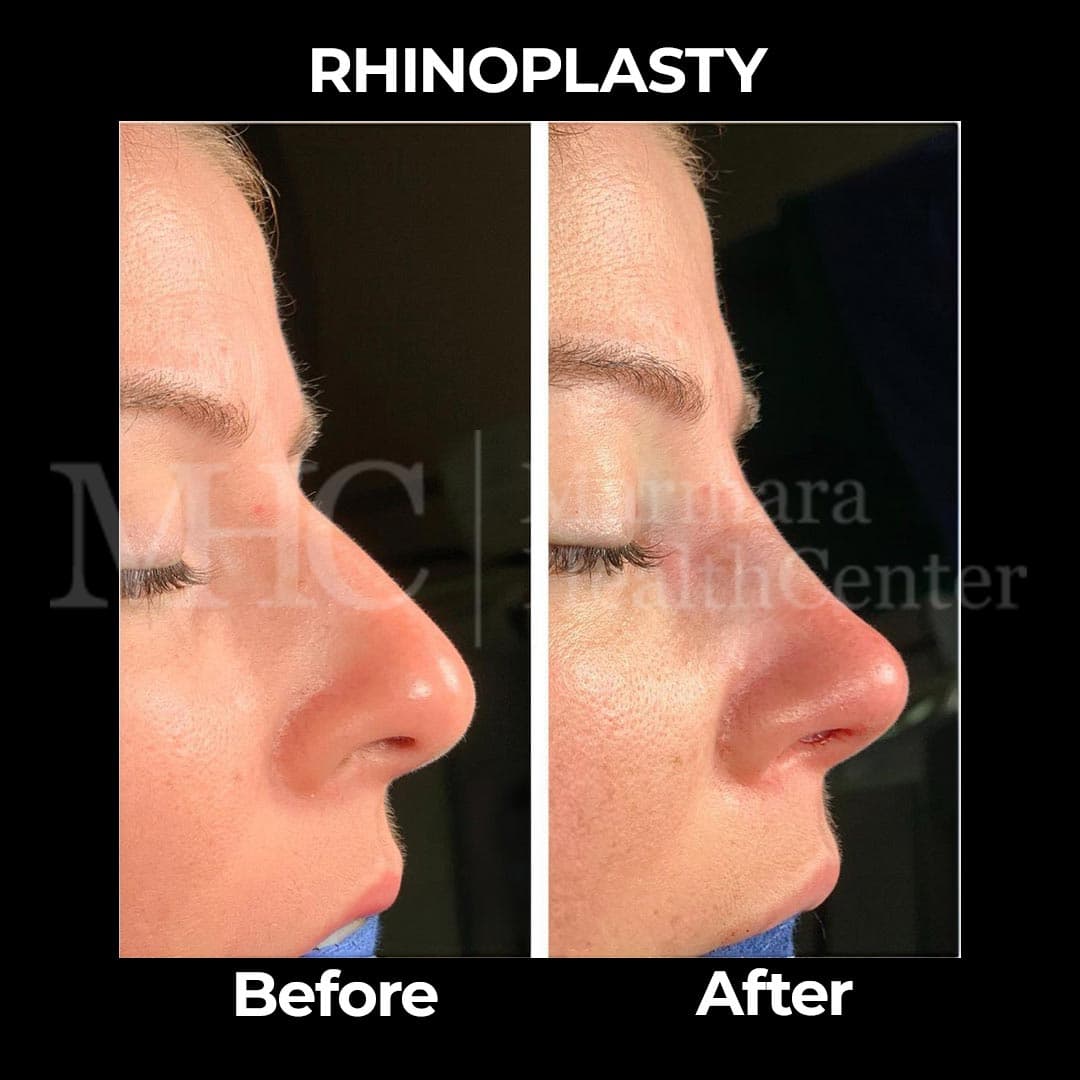
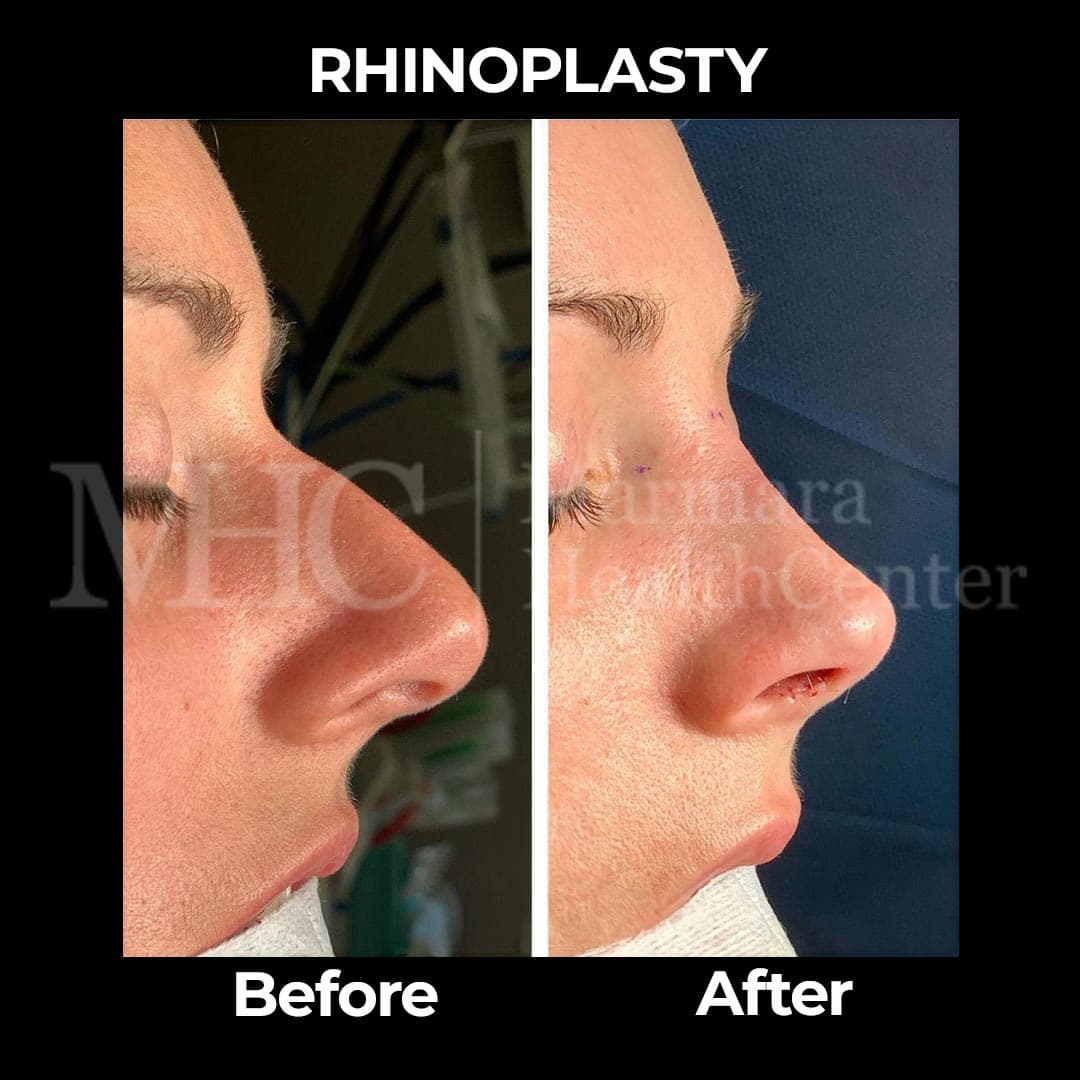
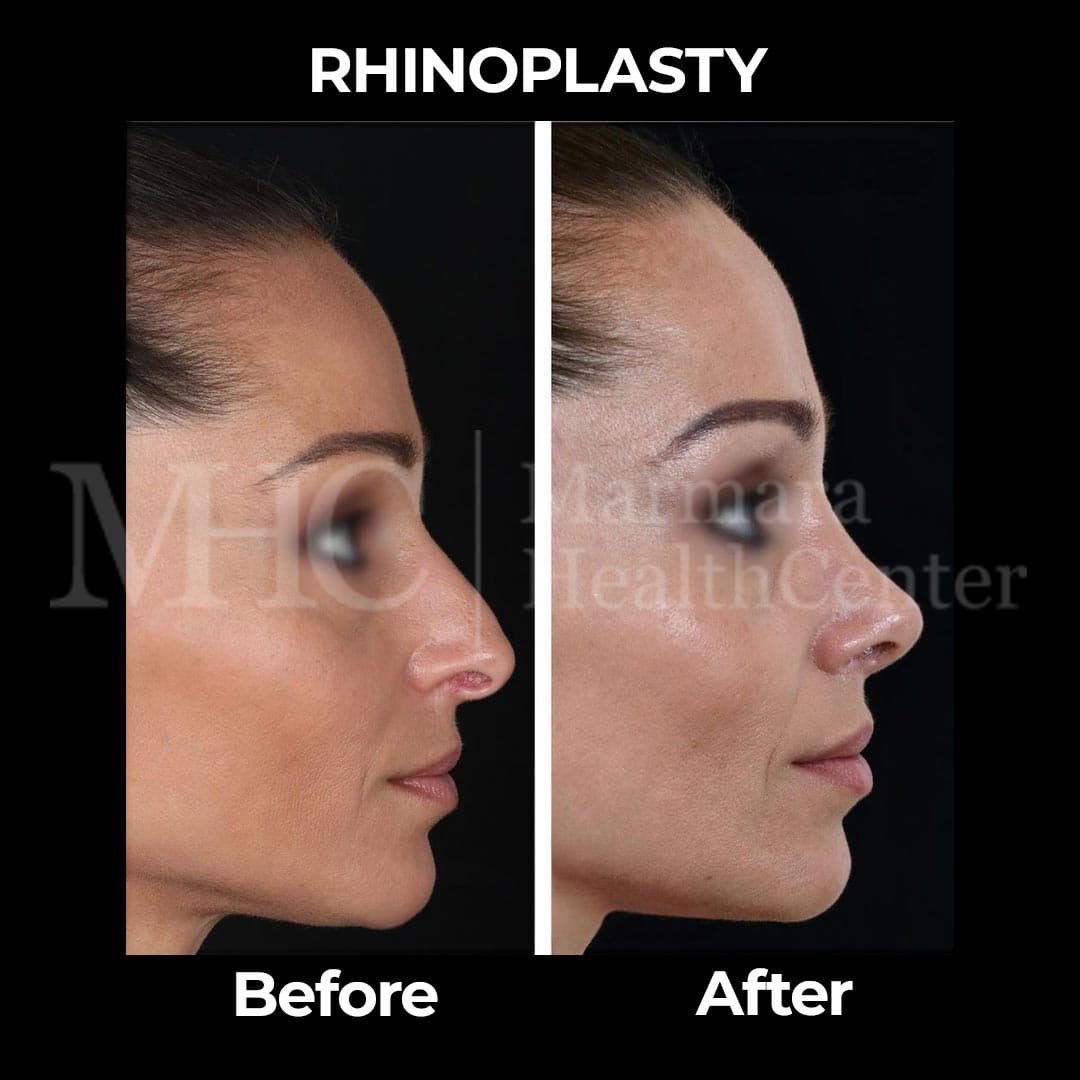
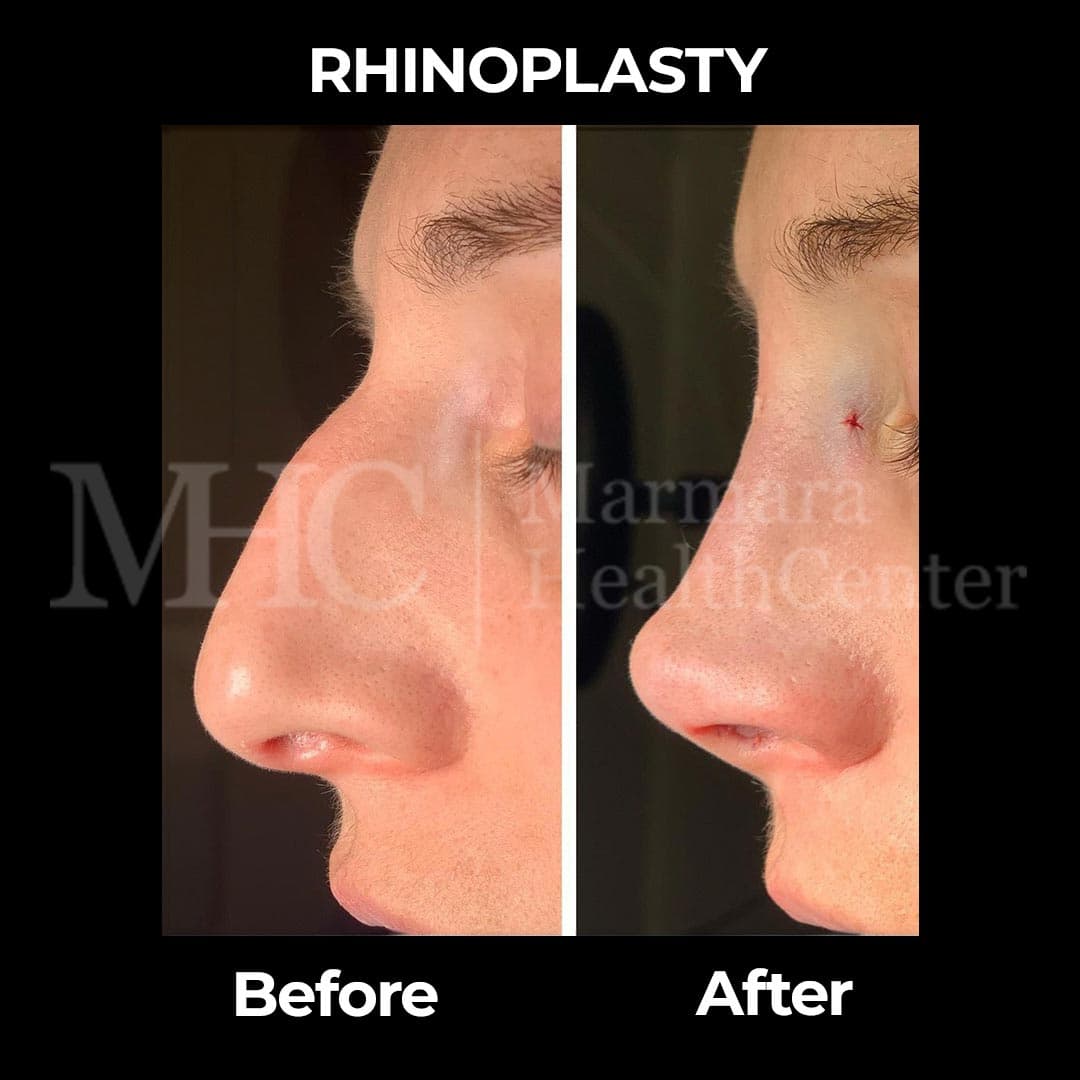
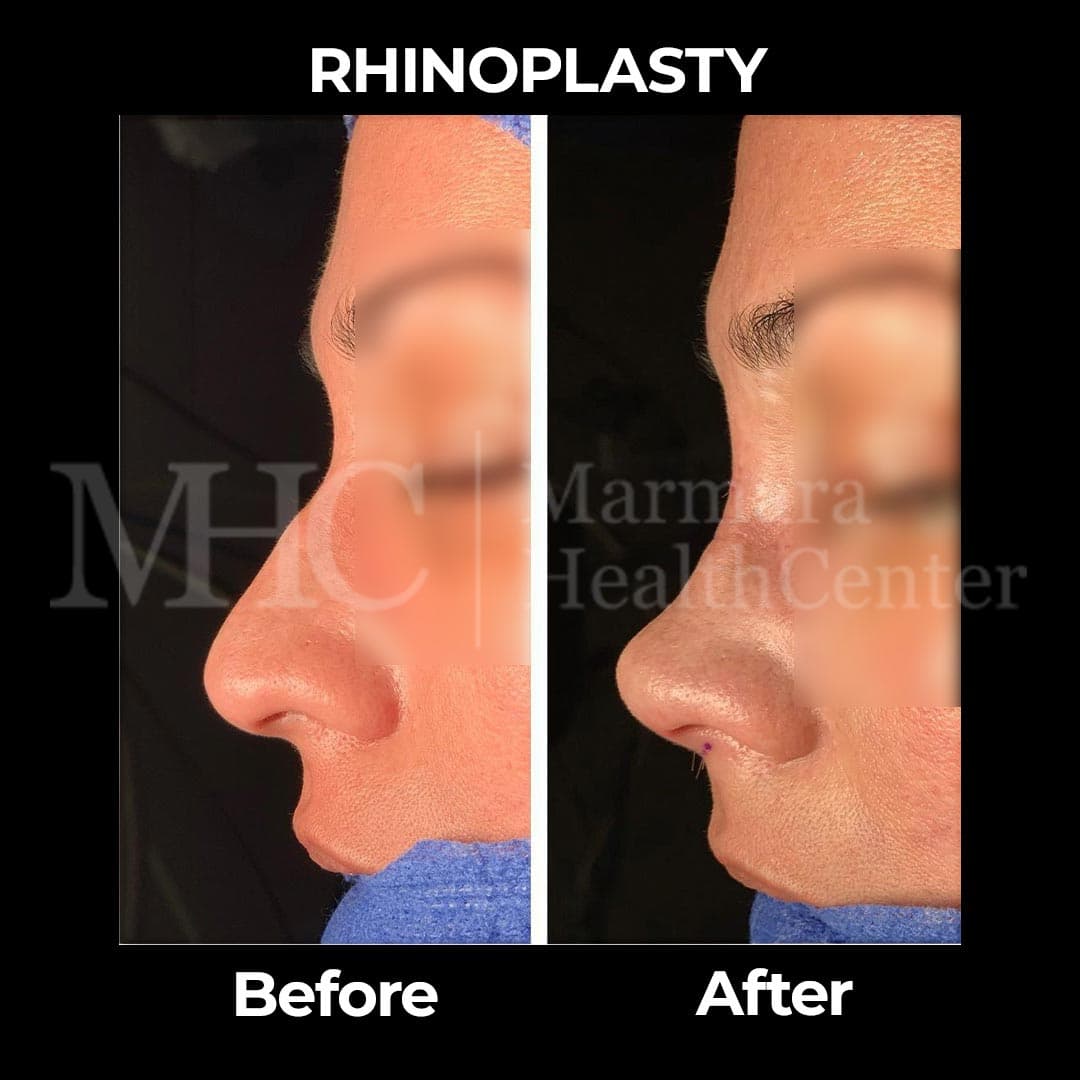
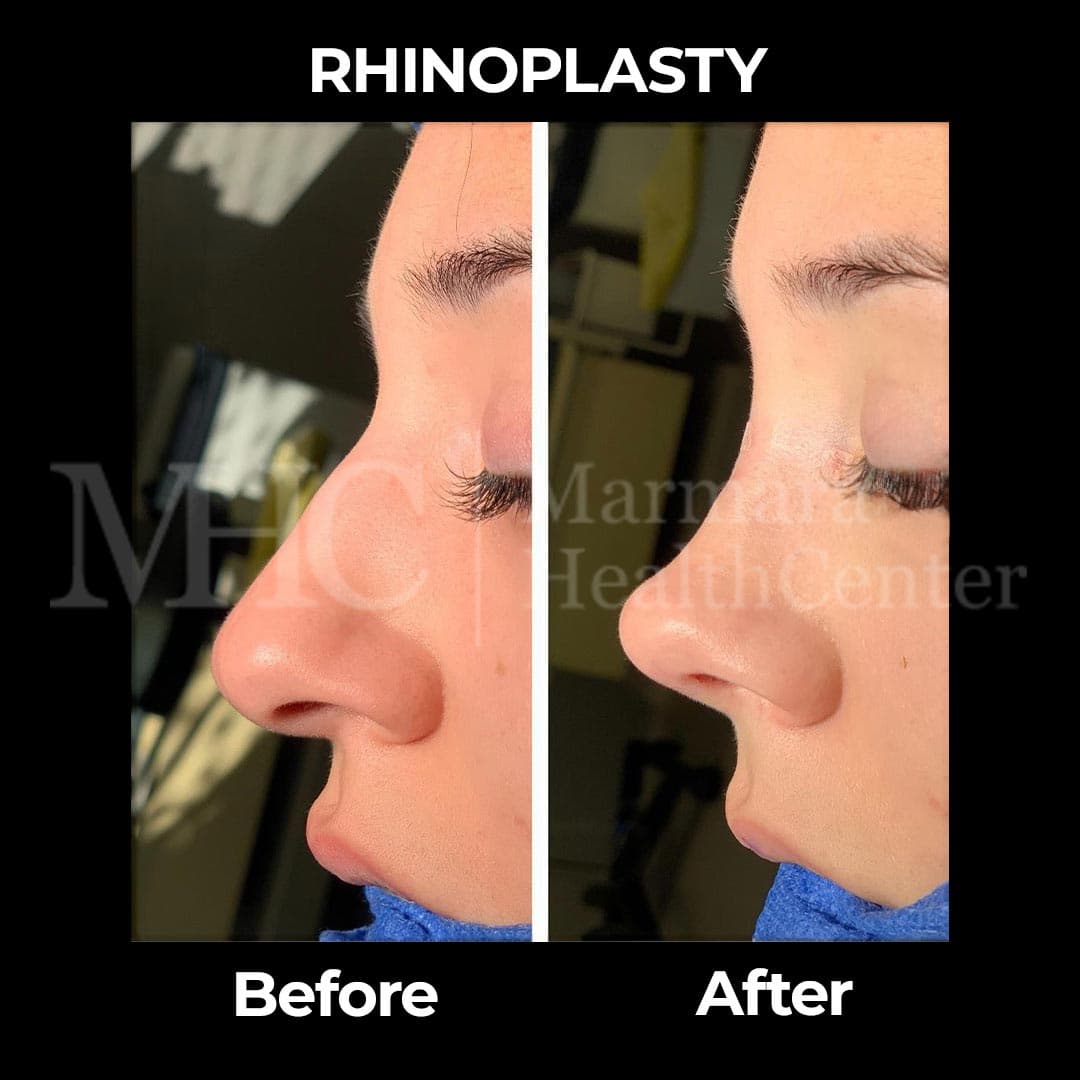
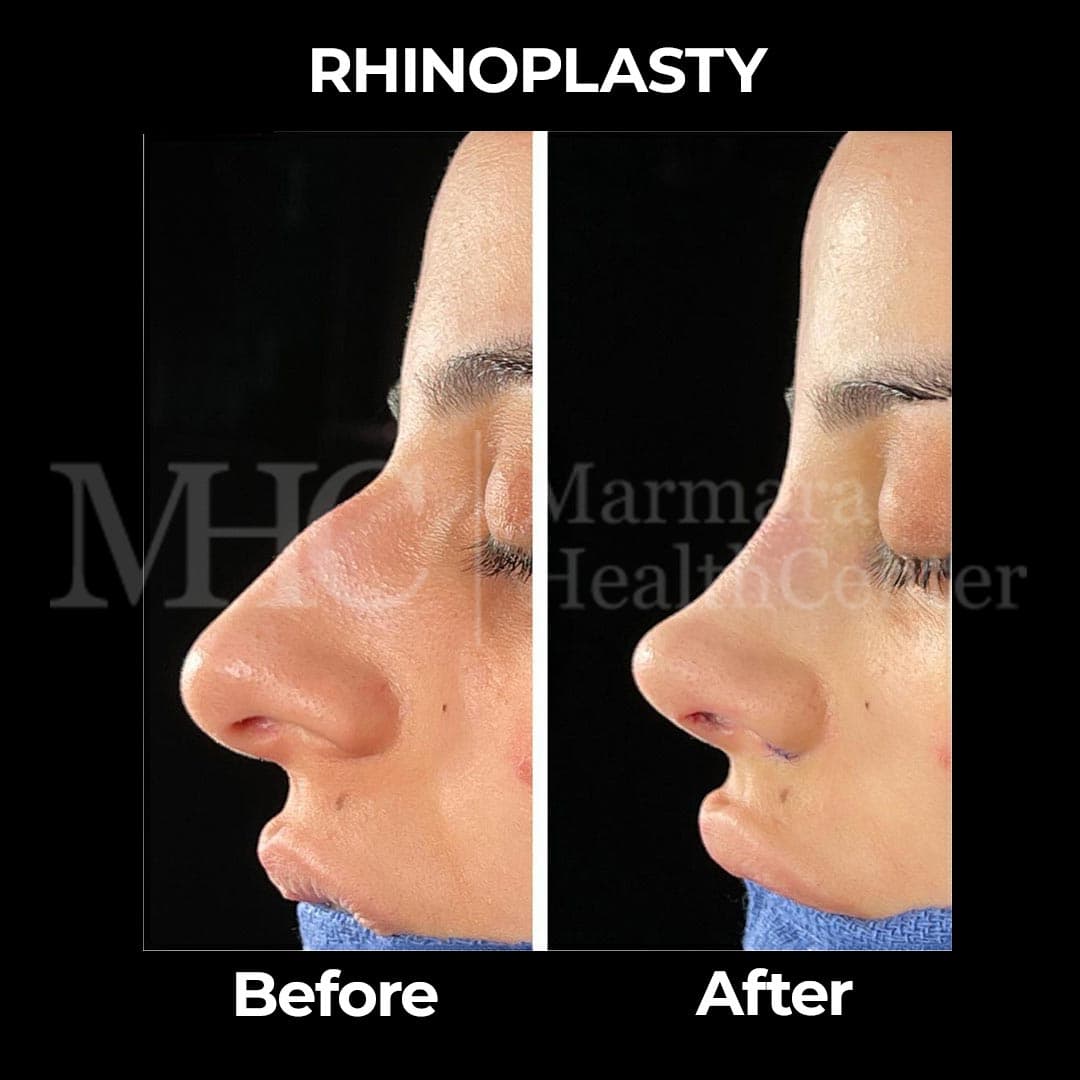
Rhinoplasty — commonly called a "nose job" — is surgery to reshape the nose for aesthetic balance, to correct a breathing problem, or both. By refining the bone and cartilage, a surgeon can change the size, profile, tip and width of the nose so it suits your face naturally. It is one of the most requested aesthetic procedures worldwide.
Rhinoplasty reshapes the framework of bone and cartilage that gives the nose its form. It can be purely aesthetic, purely functional (for example correcting a deviated septum to improve breathing — a septorhinoplasty), or a combination of both. The operation is usually performed under general anaesthesia and takes about 1.5–3 hours.
The right technique depends on your anatomy and goals — your surgeon recommends one after examining your nose. Both are safe and effective, with no significant difference in complication rates.
Open rhinoplasty — a tiny incision across the columella (the strip between the nostrils) lets the surgeon lift the skin for full visibility. Best for complex reshaping and revision cases.
Closed rhinoplasty — all incisions are inside the nostrils, leaving no visible scar and often slightly less initial swelling. Suited to more limited, predictable changes.
You may be a suitable candidate for rhinoplasty if you:
Have completed facial growth (generally 18 or older)
Are in good general health and a non-smoker, or can stop smoking around surgery
Are bothered by the size, shape, profile or tip of your nose
Have a breathing difficulty such as a deviated septum
Have realistic expectations and want improvement, not perfection
A pre-operative assessment and photo analysis confirm what is achievable for your anatomy.
Days 1–7Splint/cast in place; bruising and swelling peak then ease
~Day 7Splint removed; first look at the new shape (still swollen)
Weeks 2–3Most visible bruising and swelling resolve
Weeks 3–6Return to light exercise; avoid glasses resting on the bridge
3–6 months80–95% of swelling settles
12–18 monthsFinal refined result, especially in the tip
Most patients return to desk work 1–2 weeks after surgery, once the splint is off.
Rhinoplasty is a well-established procedure, but as with any surgery there are risks. These can include bleeding, infection, temporary numbness, swelling that takes months to fully settle, breathing changes, asymmetry, and — in a minority of cases — the need for a minor revision once healing is complete. Anaesthesia carries its own small risks. Choosing an experienced surgeon and following aftercare instructions closely keeps these risks low.
Ministry-authorised health tourism — an Istanbul clinic operating under the Republic of Türkiye Ministry of Health Health Tourism Authorization Certificate and a member of the Health Türkiye programme.
Experienced surgical team — aesthetic and reconstructive expertise with modern surgical planning.
Accredited partner hospital — surgery performed in a fully equipped partner hospital.
All-inclusive care — free online consultation and photo assessment, VIP airport transfers, companion accommodation, interpreter support and post-operative follow-up.