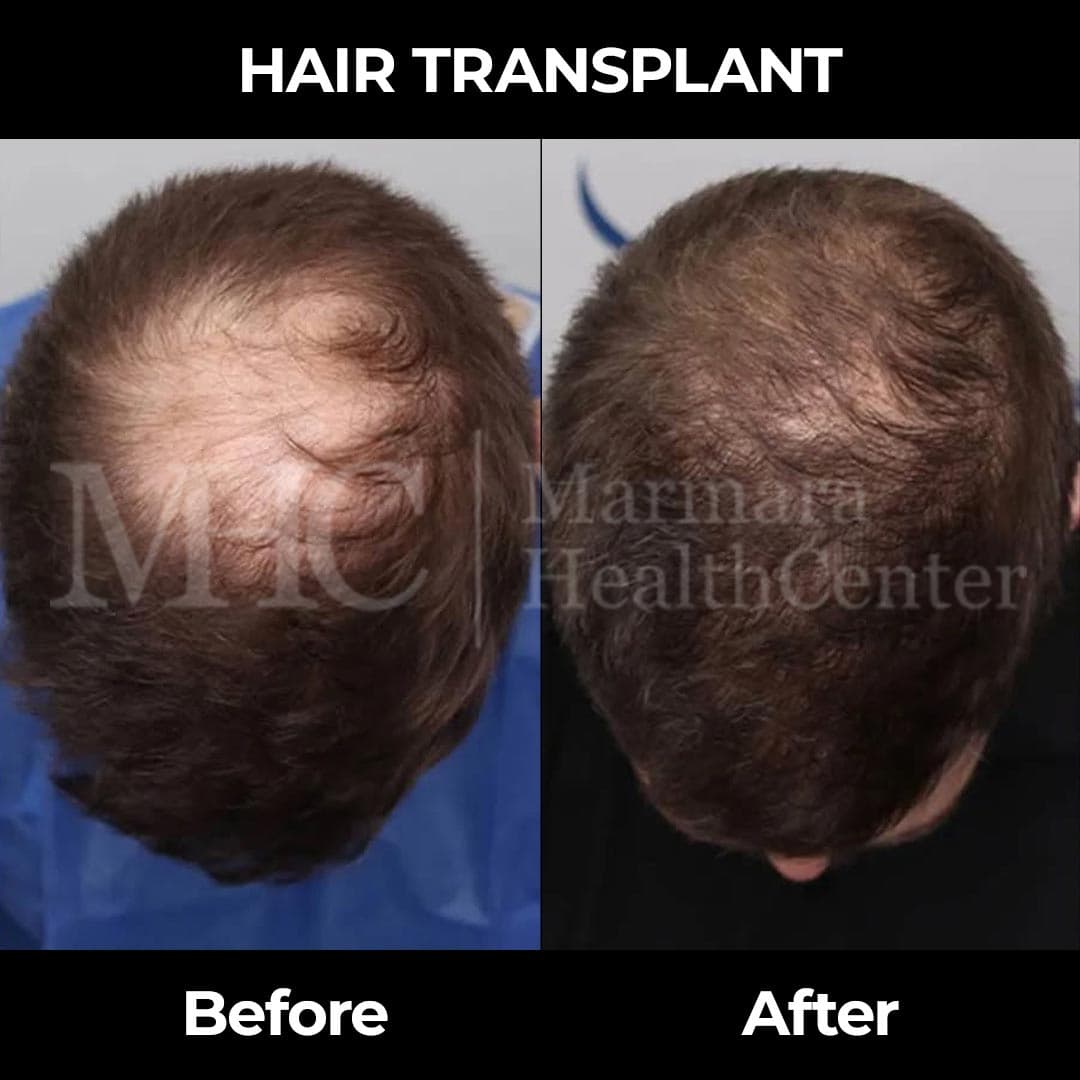
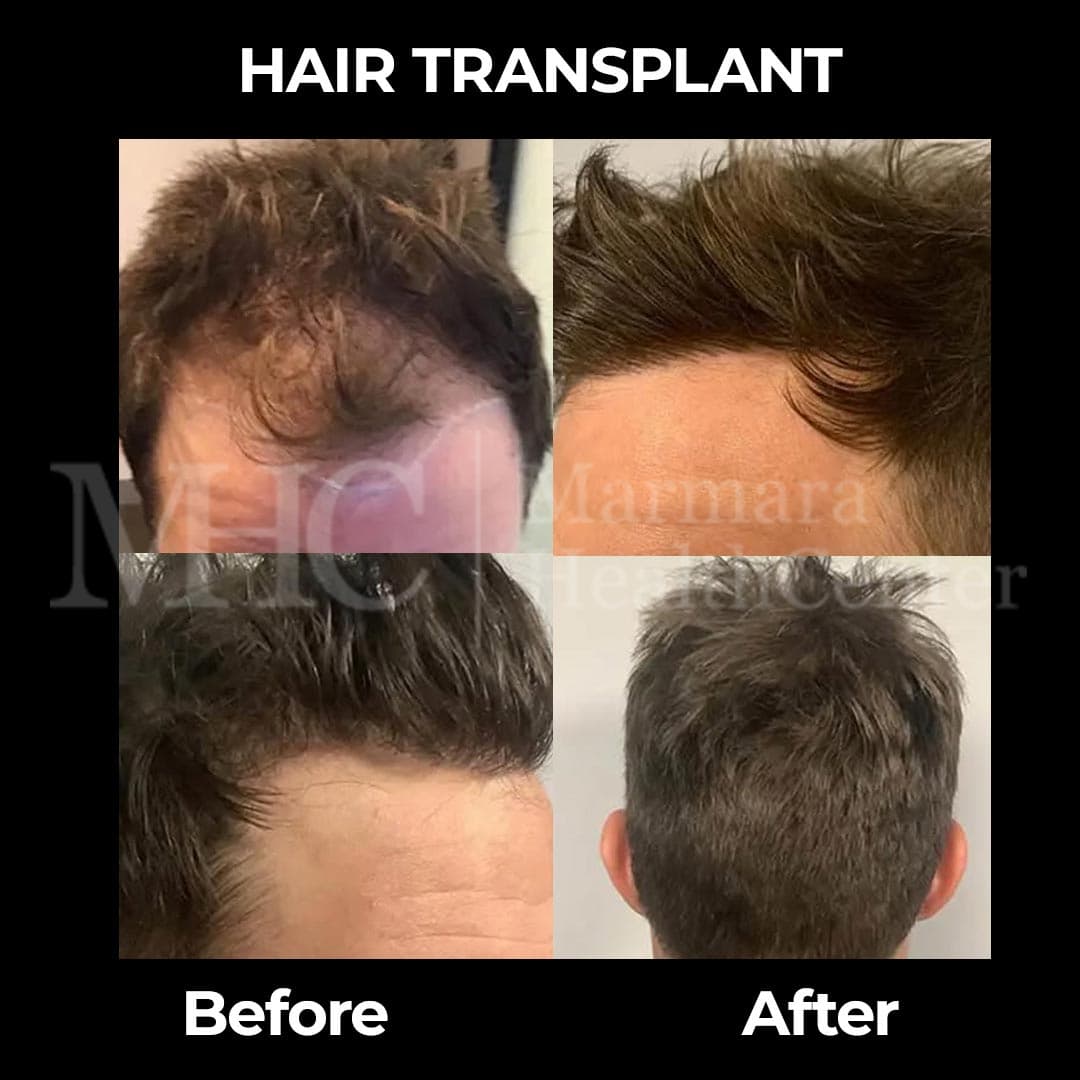
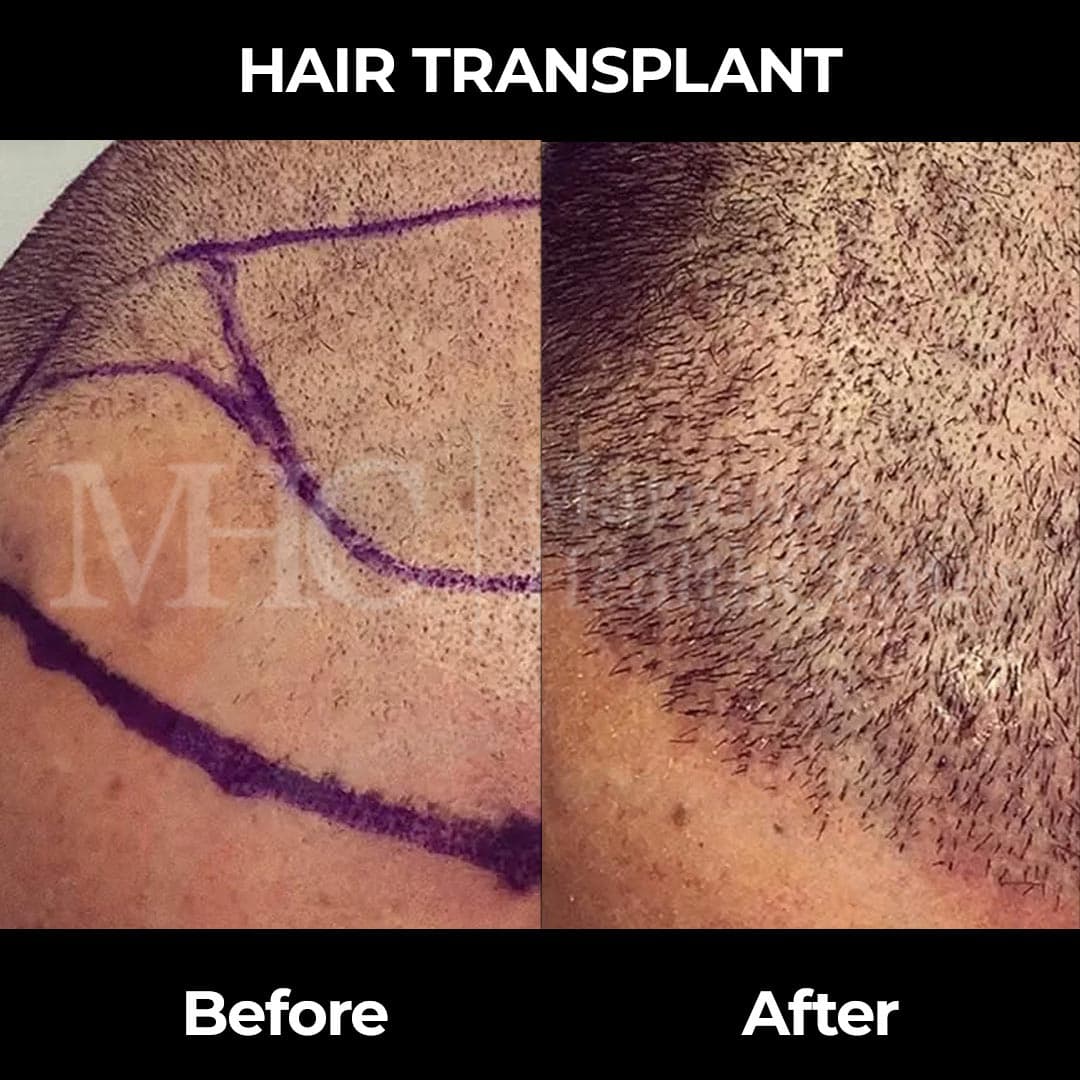
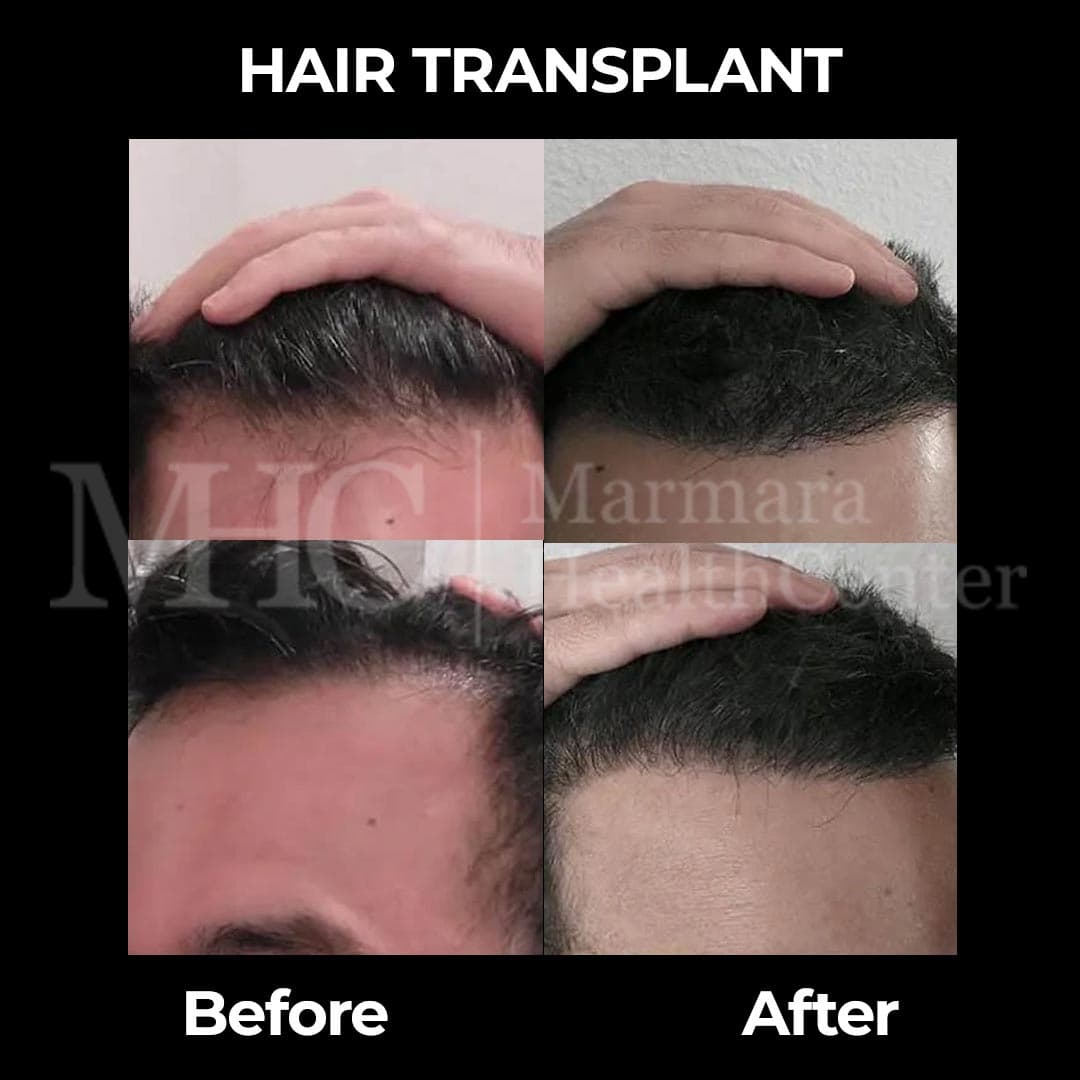
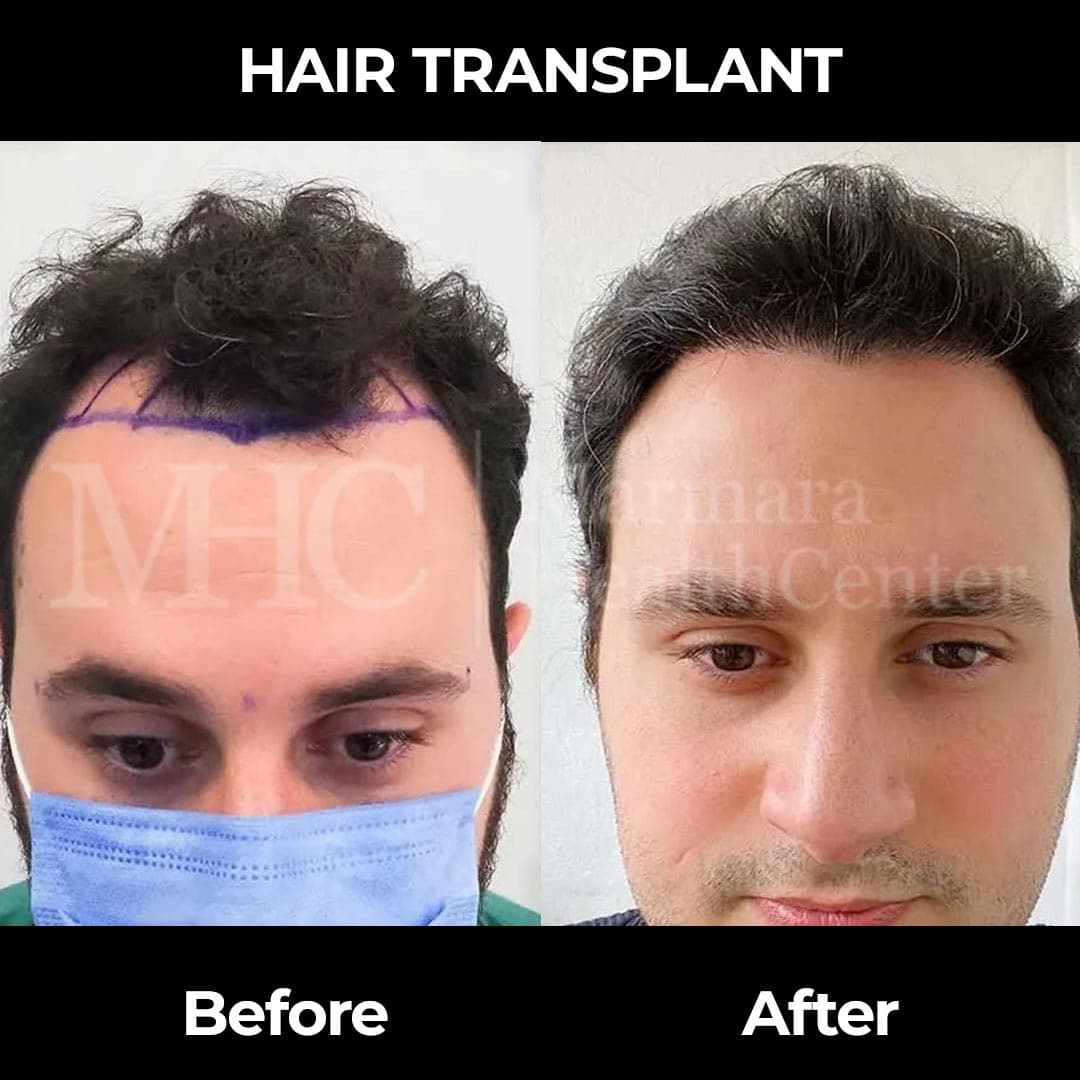
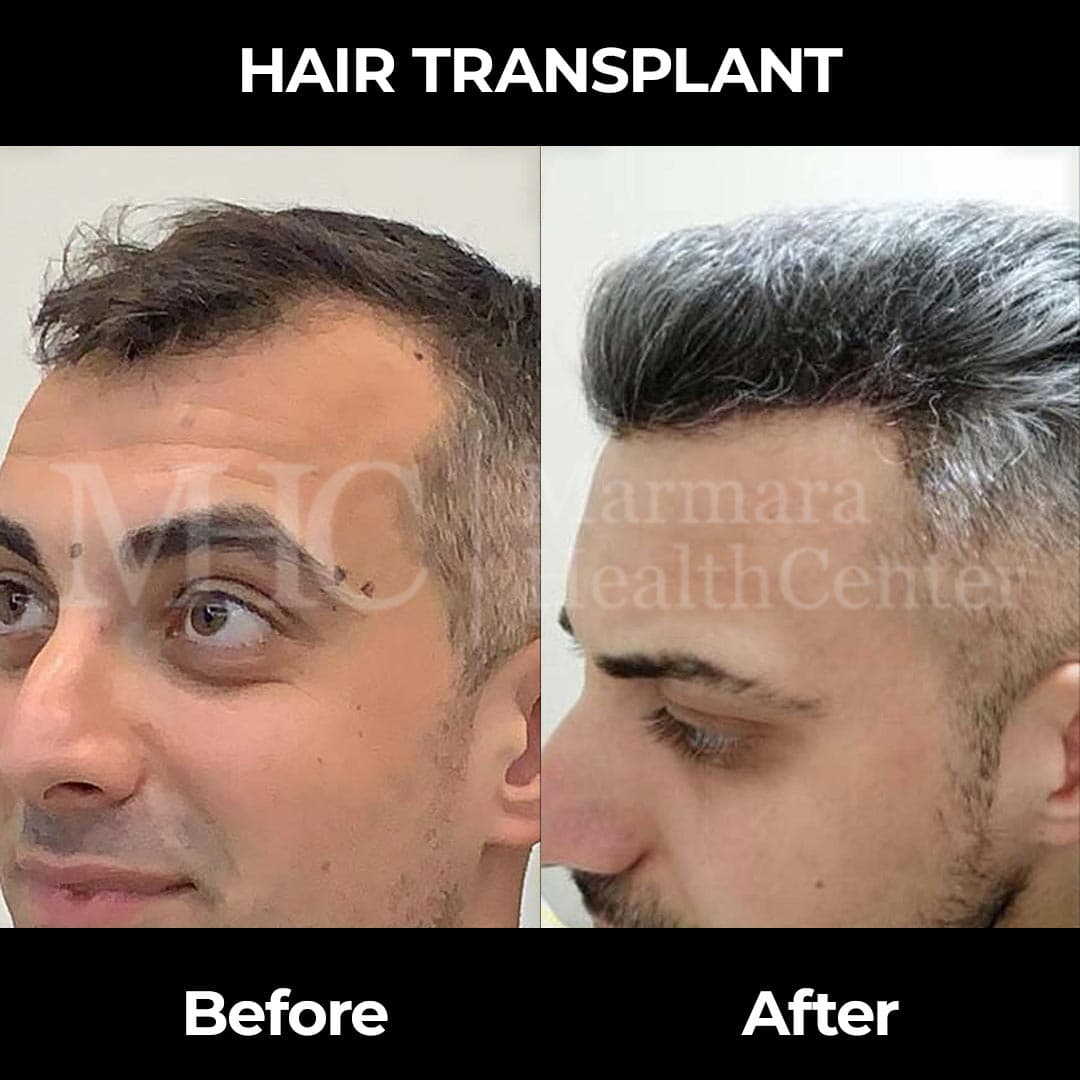
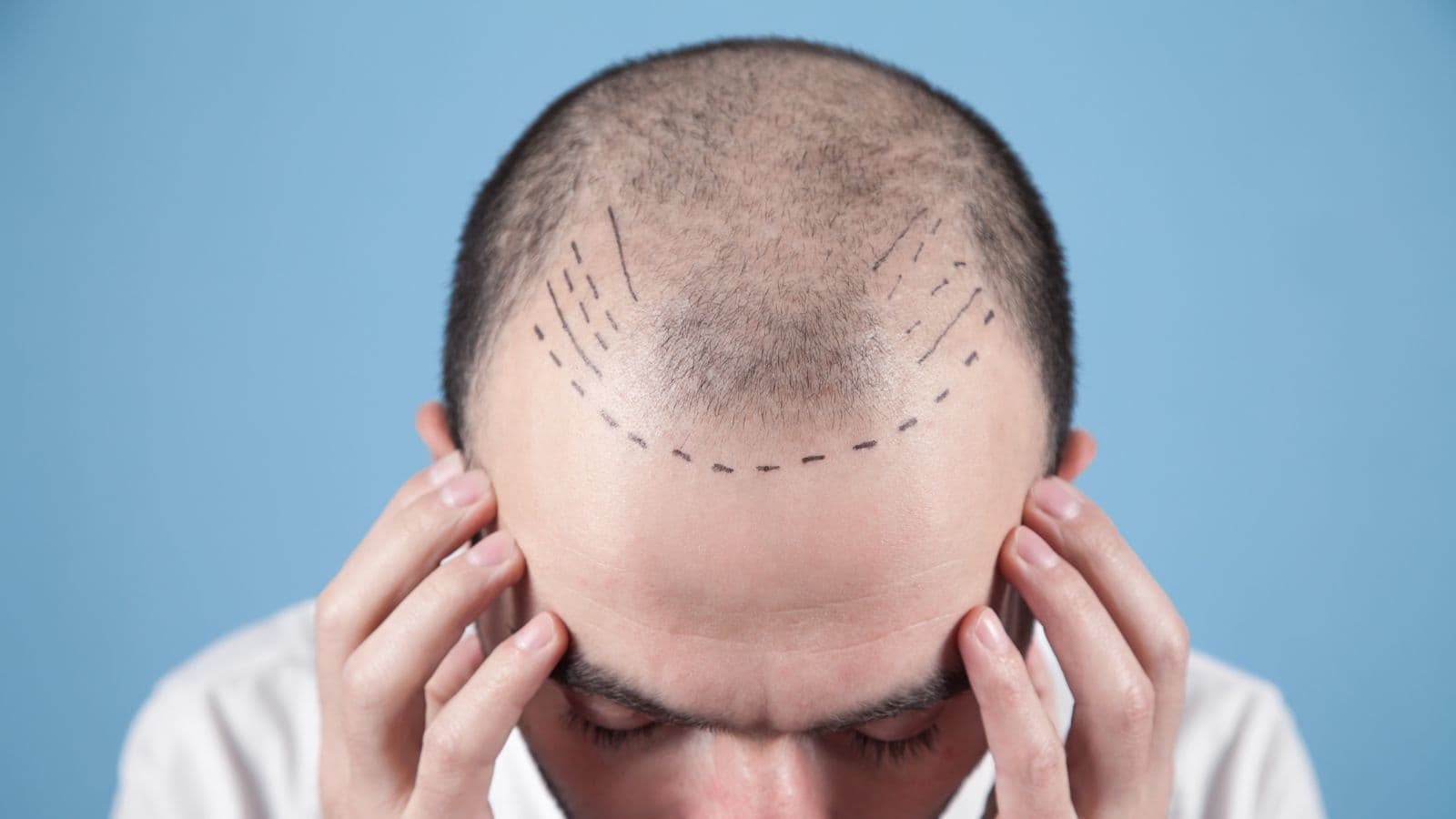
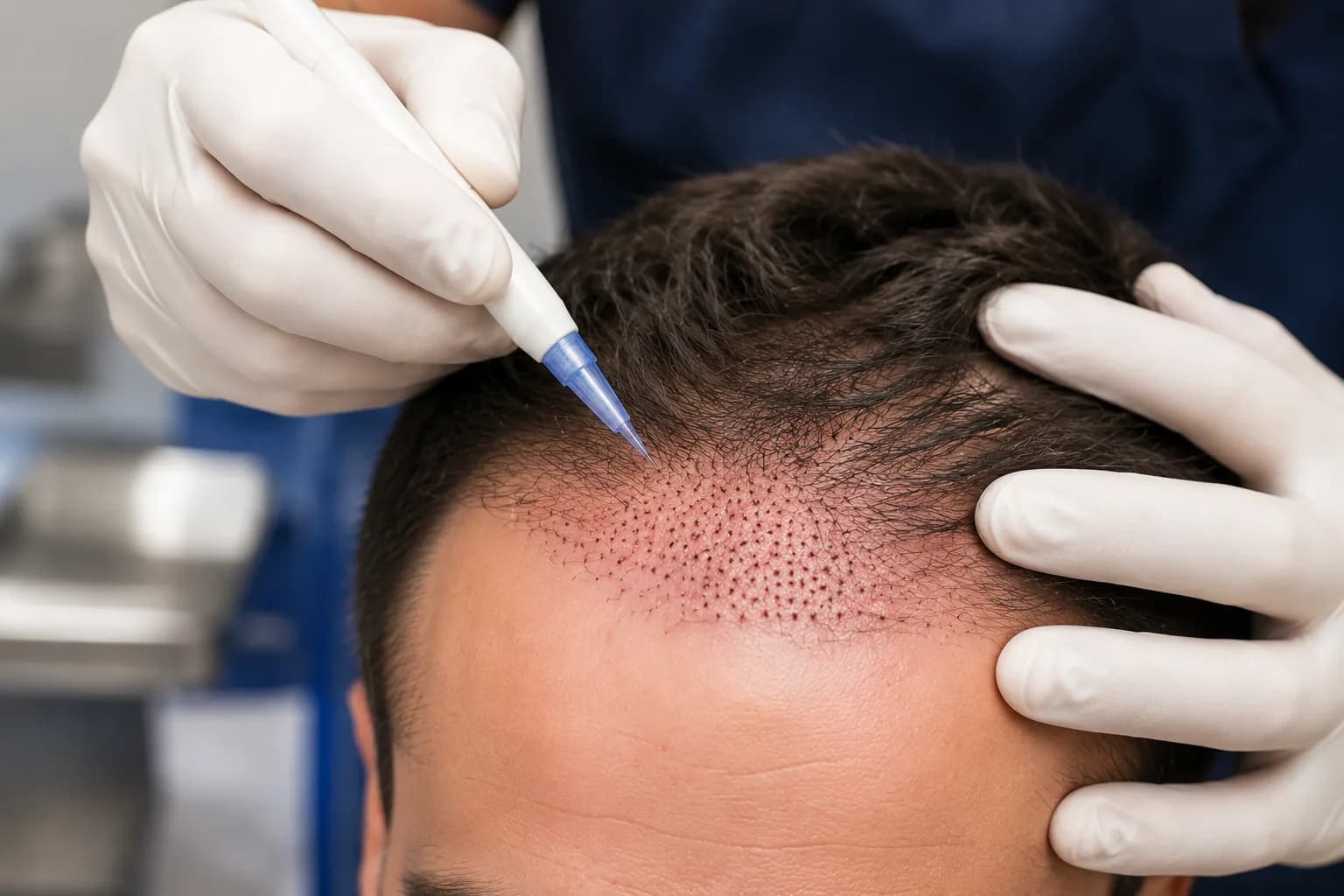
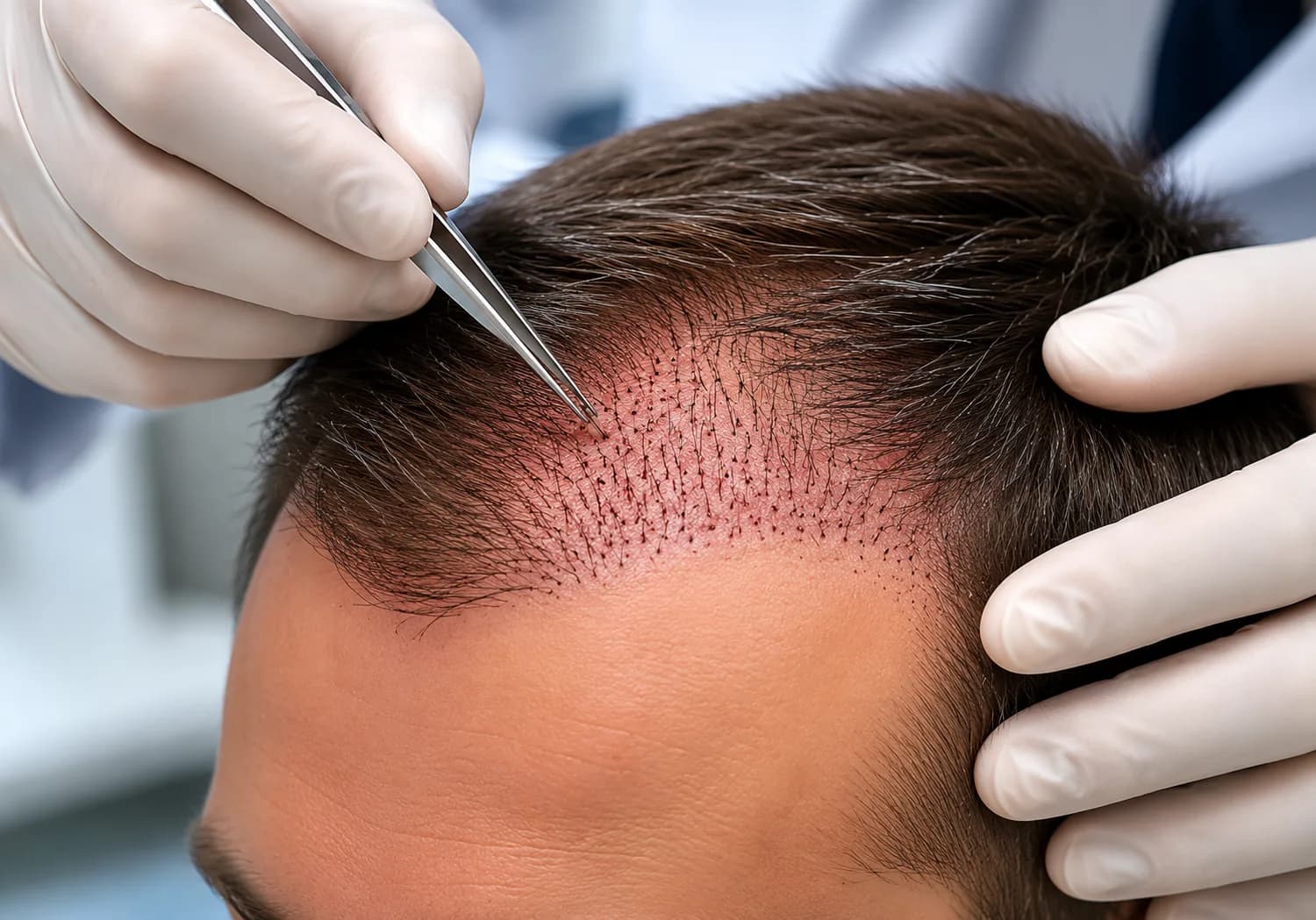
A beard transplant uses the FUE method to move healthy follicles from the scalp donor area into the beard, moustache, cheeks or jawline. It fills patchy or sparse areas, defines the beard shape and creates natural, permanent facial hair you can shave and style normally.
In a beard transplant, individual follicles are harvested from the back of the scalp and implanted into the facial-hair area at the precise angle and direction needed for a natural look. It can fill gaps, add density, cover scars or design a fuller beard. The transplanted hairs grow permanently and behave like normal beard hair.
A beard transplant is performed in a single day under local anaesthesia:
Design — the beard shape, density and natural growth direction are planned with you.
Extraction — follicles are harvested one by one from the scalp donor area.
Implantation — grafts are placed into the beard area at the very acute angle facial hair needs.
Aftercare — small crusts on the face settle within days; you receive washing and care guidance.
You may be a suitable candidate if you:
Have a patchy, sparse or uneven beard, or gaps from scarring
Want to define or fill the beard, moustache or cheeks
Have a healthy scalp donor area with enough follicles
Are in good general health
Have realistic expectations about density and timeline
Days 1–5Tiny crusts and redness on the face; back to routine for most
Days 7–10Crusts clear; gentle washing as instructed
Weeks 2–4Transplanted hairs shed (normal shock loss)
Month 3–6New beard hair grows in
~12 monthsFull, natural result
Once healed (usually after about two weeks), you can shave and trim the new beard normally; it continues to grow like your natural facial hair.
A beard transplant is minimally invasive under local anaesthesia, and serious complications are uncommon. Possible effects include temporary redness, small crusts, swelling, numbness and temporary shedding of the transplanted hairs. Rare risks include infection, folliculitis or ingrown hairs, or an unnatural look if angles are not carefully planned — which is why an experienced team and good design matter.
Ministry-authorised health tourism — operating under the Republic of Türkiye Ministry of Health Health Tourism Authorization Certificate and a member of Health Türkiye.
Experienced multidisciplinary team — strong academic background and a high volume of successful procedures.
Accredited partner hospital — treatment in a fully equipped, modern clinical setting.
All-inclusive care — free online consultation, VIP airport transfers, accommodation, interpreter support and follow-up.