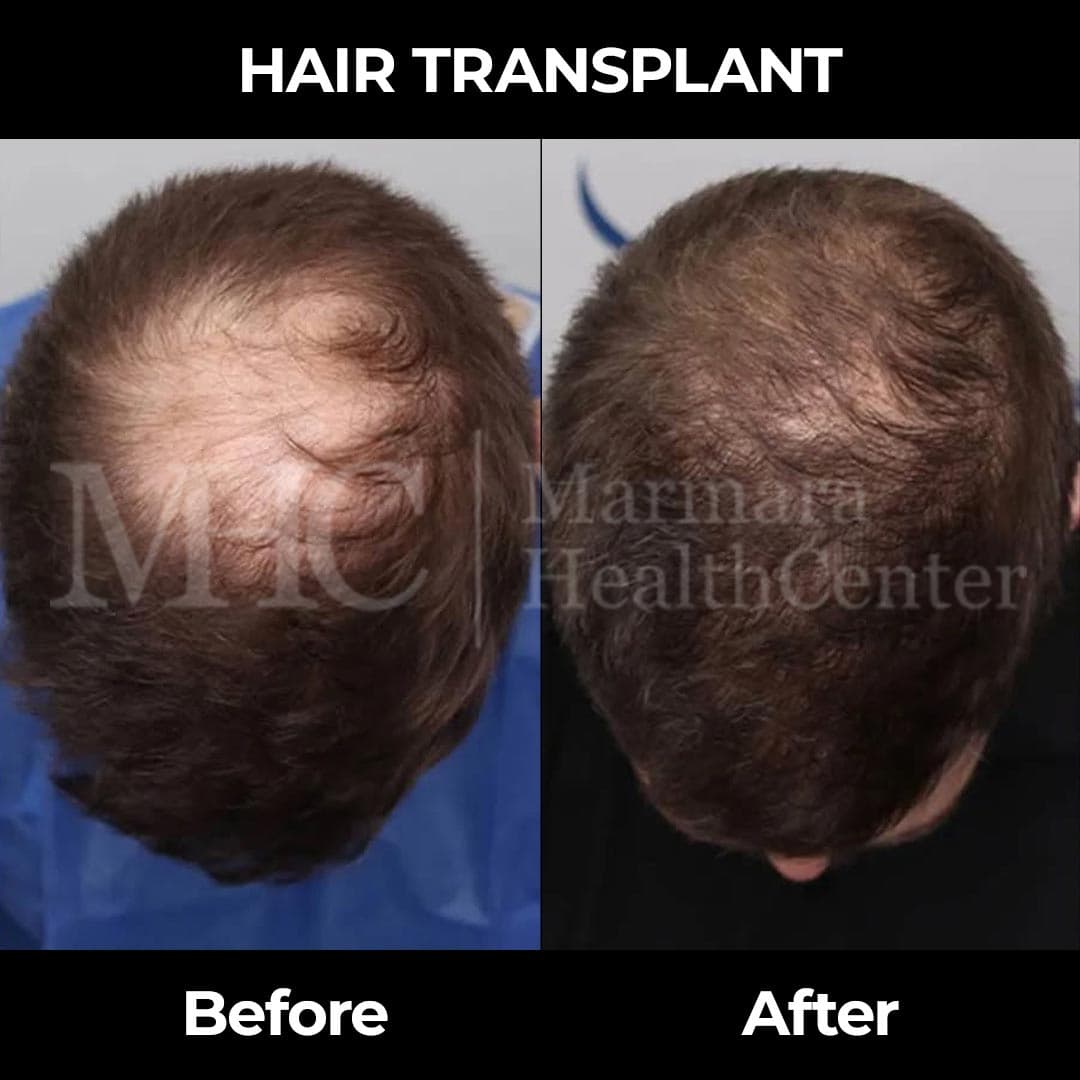
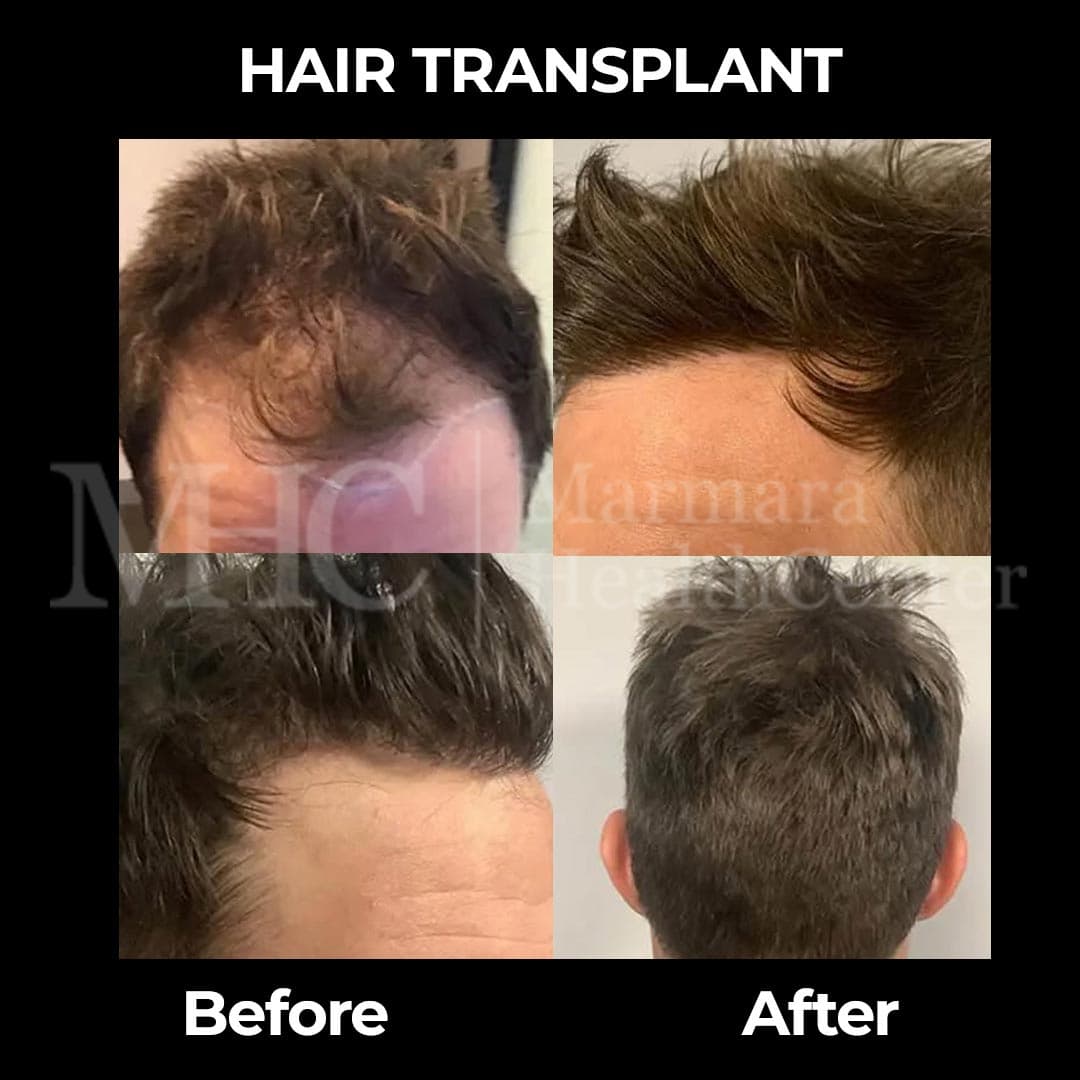
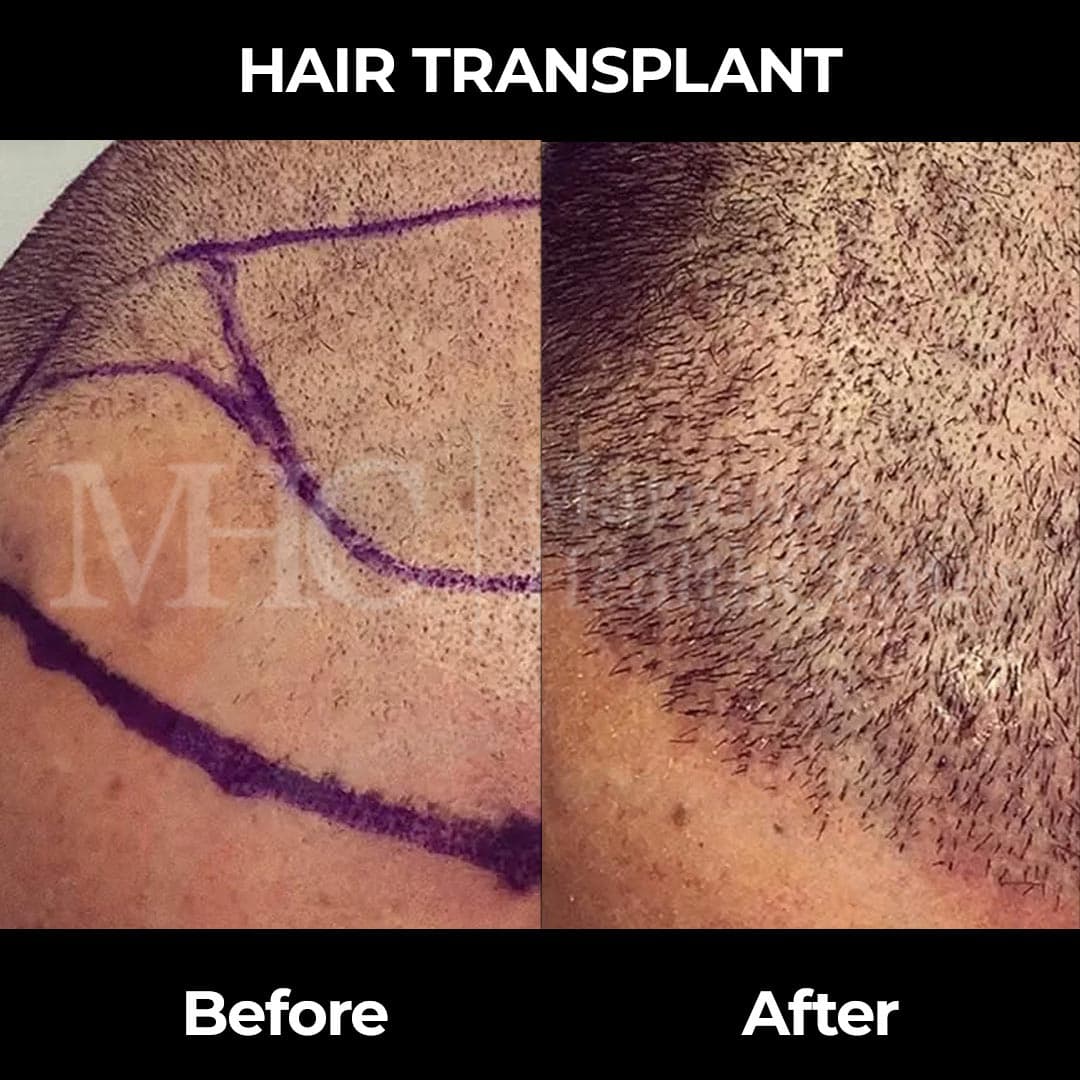
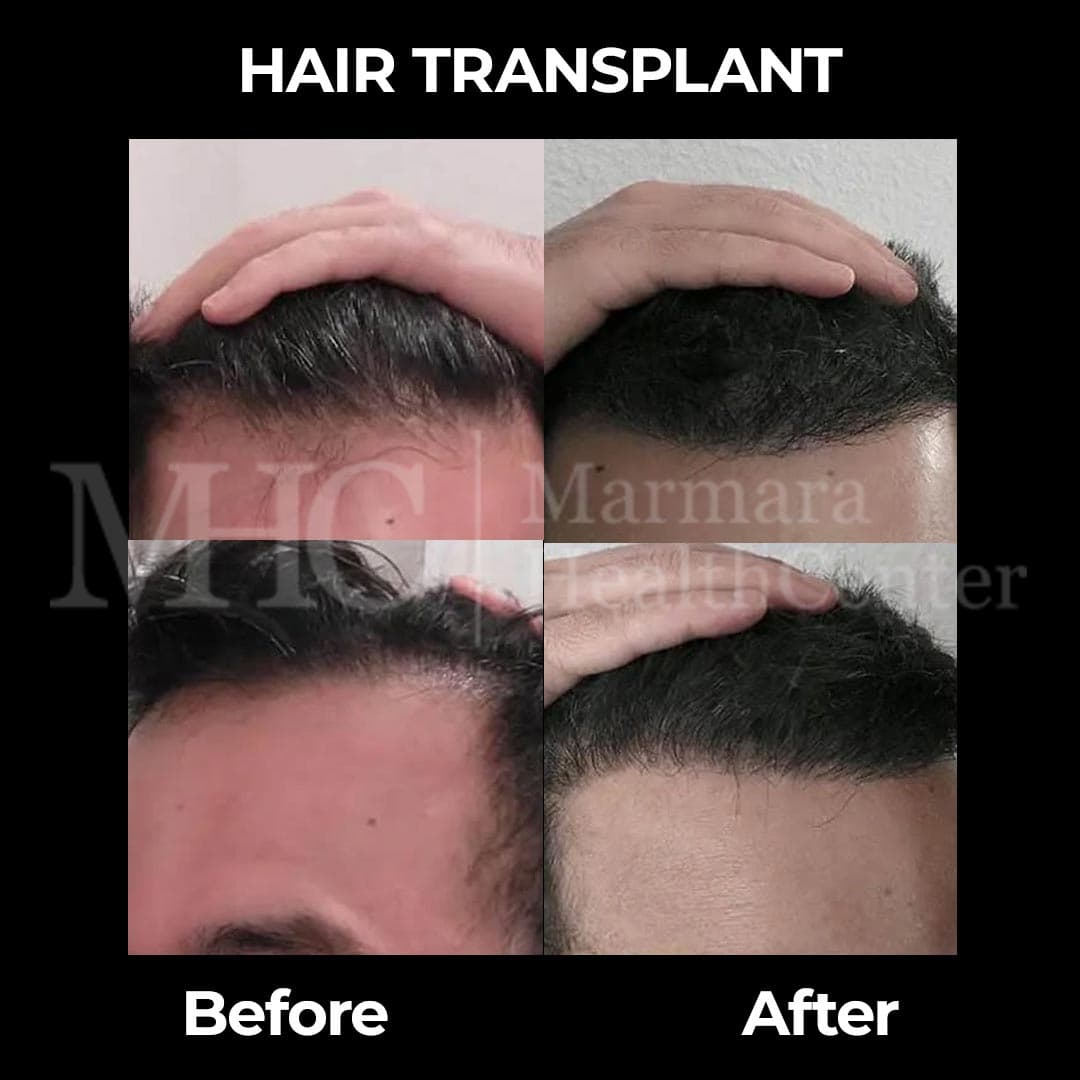
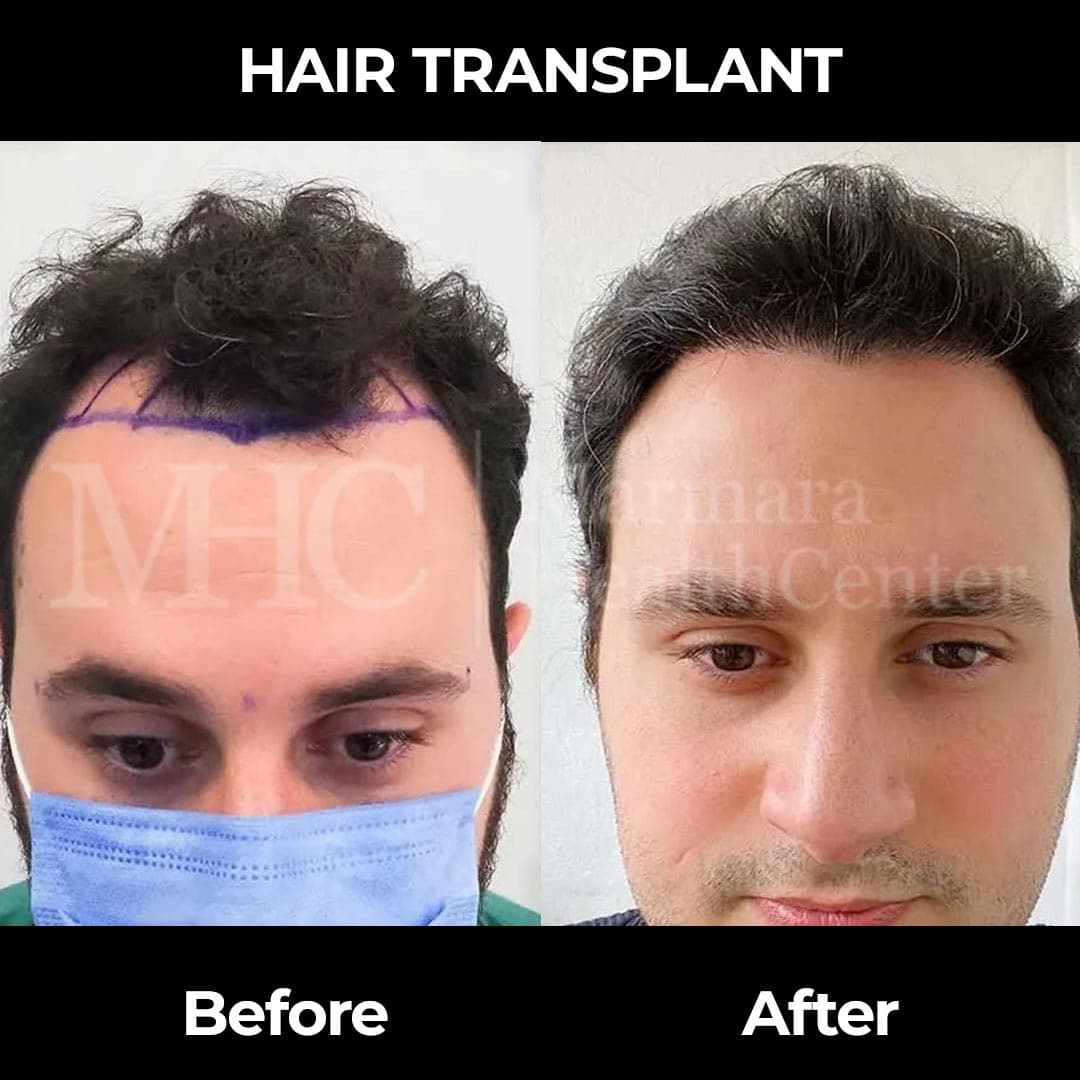
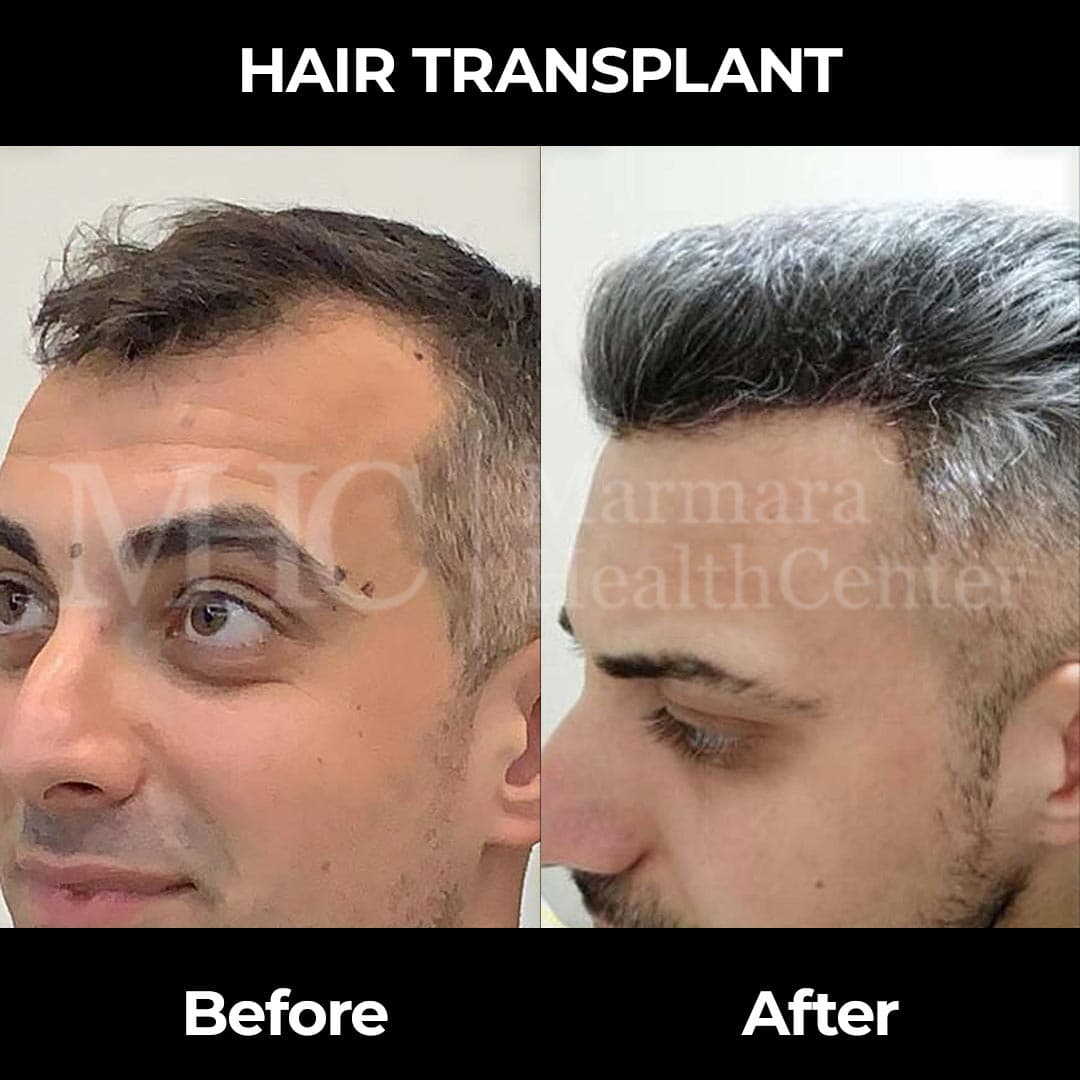
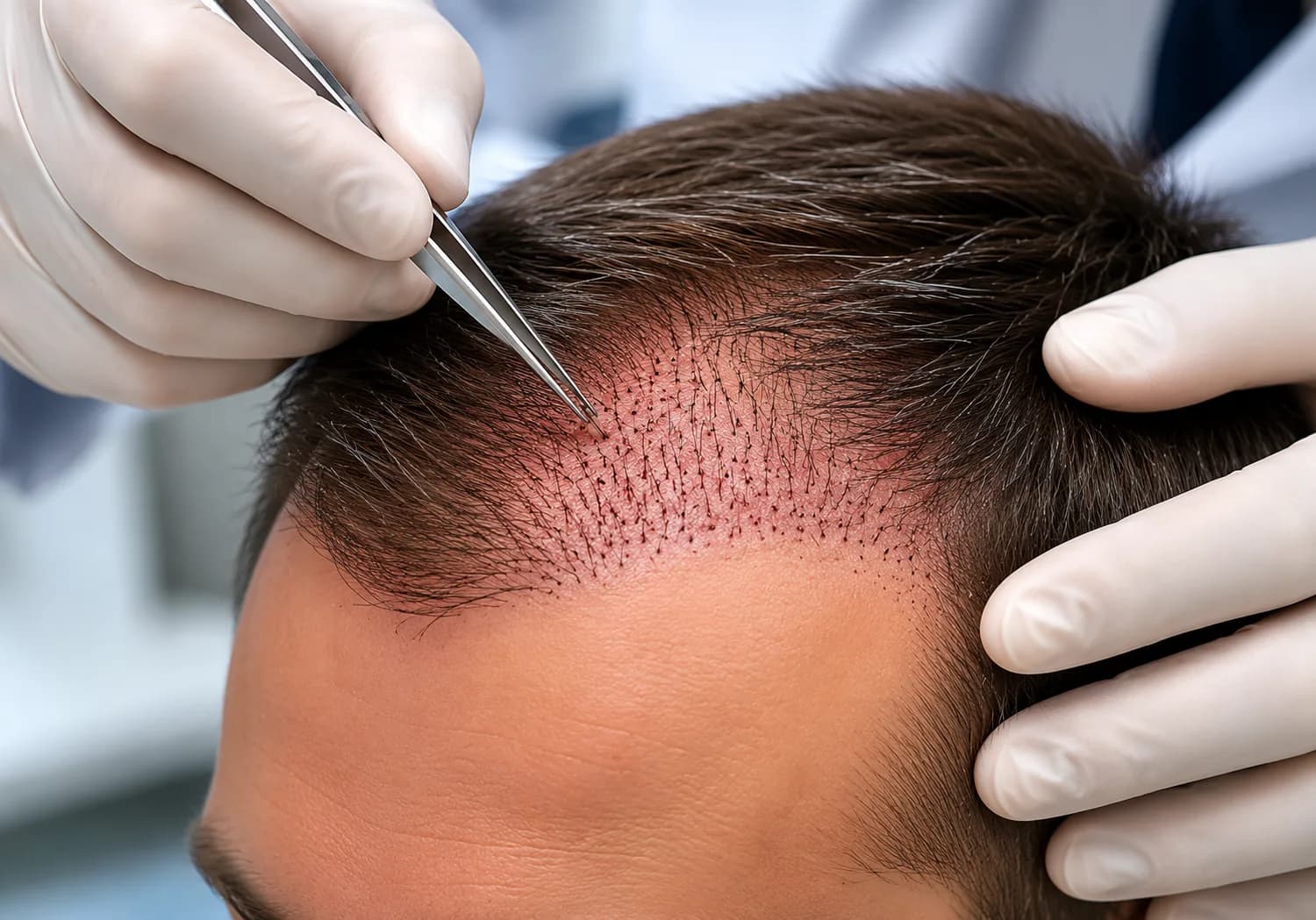
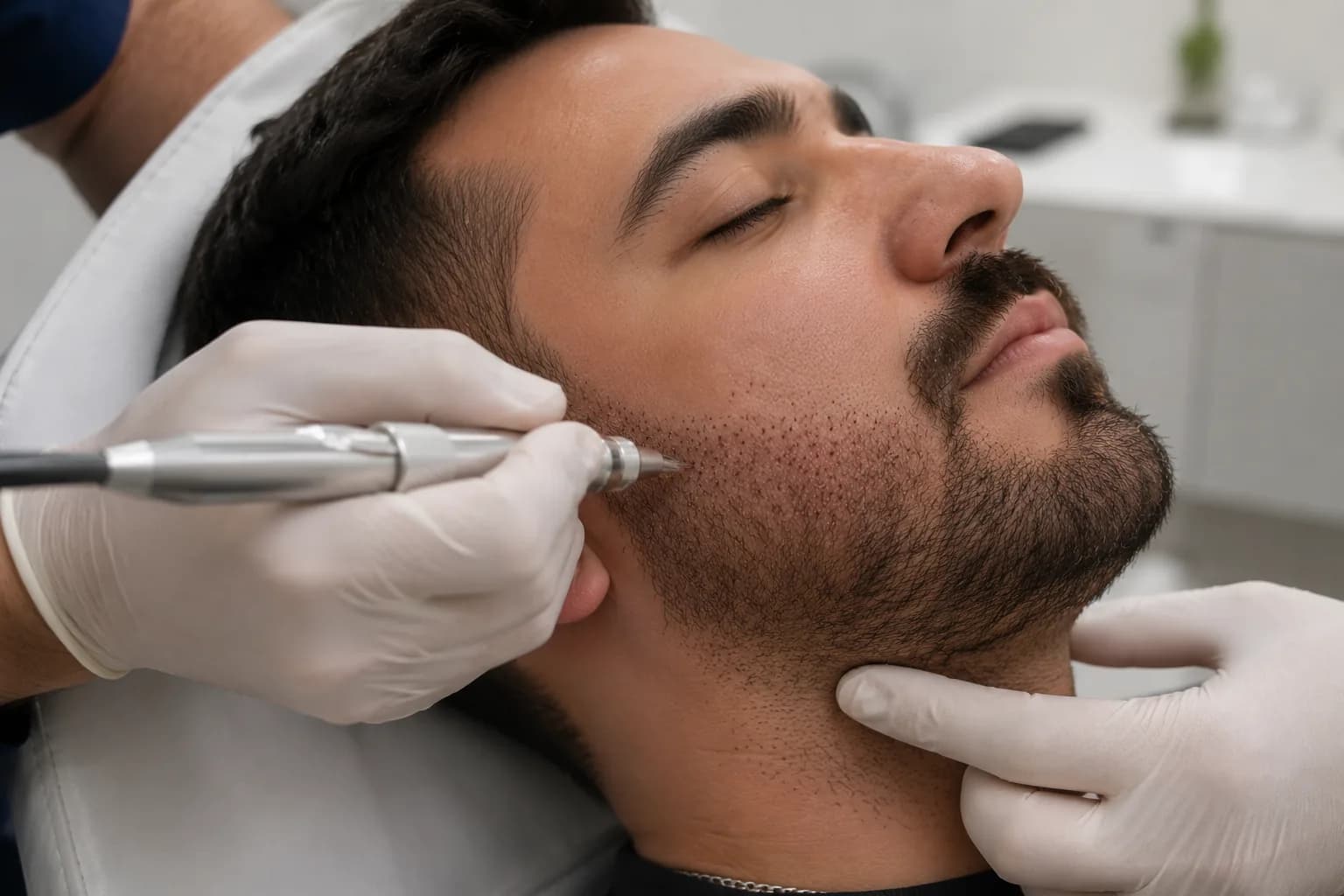
Sapphire FUE is a refinement of the FUE technique that uses blades with a sapphire tip — instead of steel — to open the recipient channels. The smoother, finer channels allow grafts to be placed closer together for higher density, with less tissue trauma and faster healing.
In Sapphire FUE the extraction step is the same as standard FUE, but the recipient channels are opened with precise sapphire-tipped blades. These create smaller, smoother openings, which can mean denser, more natural placement, reduced scabbing and quicker recovery. It is a popular choice for refined hairline work.
Sapphire FUE follows the FUE steps with sapphire blades for the channels:
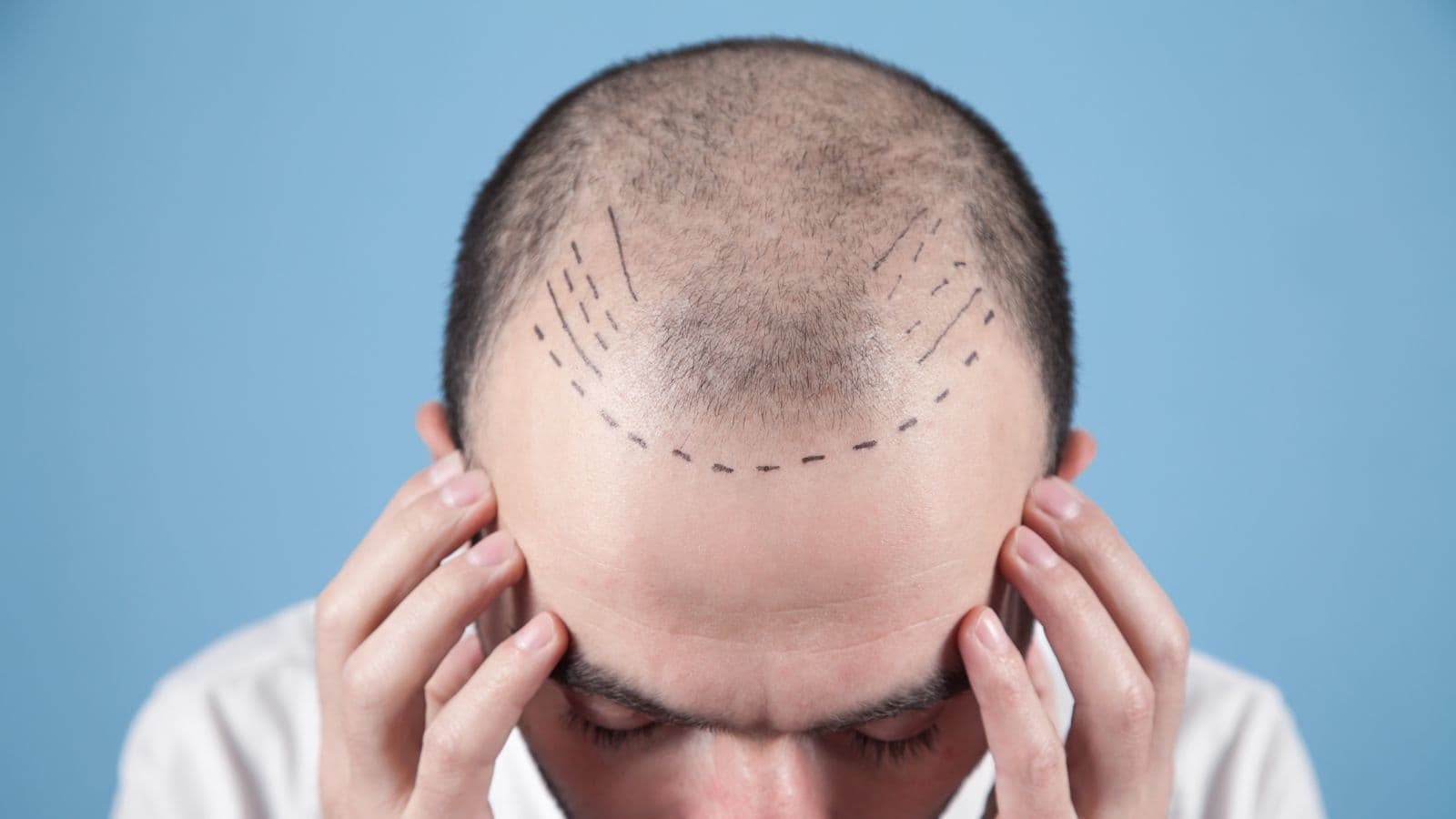
Consultation & design — the donor area is assessed and a natural hairline is planned.
Extraction — follicular units are harvested one by one with a micro-punch.
Sapphire channels — recipient sites are opened with sapphire-tipped blades for smooth, precise openings.
Implantation — grafts are placed at a natural angle and density; aftercare guidance follows.
You may be a suitable candidate if you:
Have pattern hair loss (androgenetic alopecia) that has stabilised
Have a healthy donor area at the back/sides of the scalp
Want high density and a refined, natural hairline
Are in good general health
Have realistic expectations about coverage and timeline
Days 1–3Mild redness and small scabs; most return to routine
Days 7–10Scabs clear; gentle washing as instructed
Weeks 2–8Shock loss — transplanted hairs shed (normal)
Month 3–4New hair starts to grow
~12 monthsFull, final result
Sapphire blades create smaller channels, which can reduce scabbing and support quicker healing, but the growth timeline is the same as standard FUE.
Sapphire FUE shares the safety profile of FUE — minimally invasive, under local anaesthesia, with uncommon serious complications. Possible effects include temporary swelling, redness, small scabs, numbness and itching, and temporary shock loss. Rare risks include infection, folliculitis or uneven density if aftercare is not followed. The sapphire blade itself does not change long-term graft survival, which depends on technique and follicle handling.
Ministry-authorised health tourism — operating under the Republic of Türkiye Ministry of Health Health Tourism Authorization Certificate and a member of Health Türkiye.
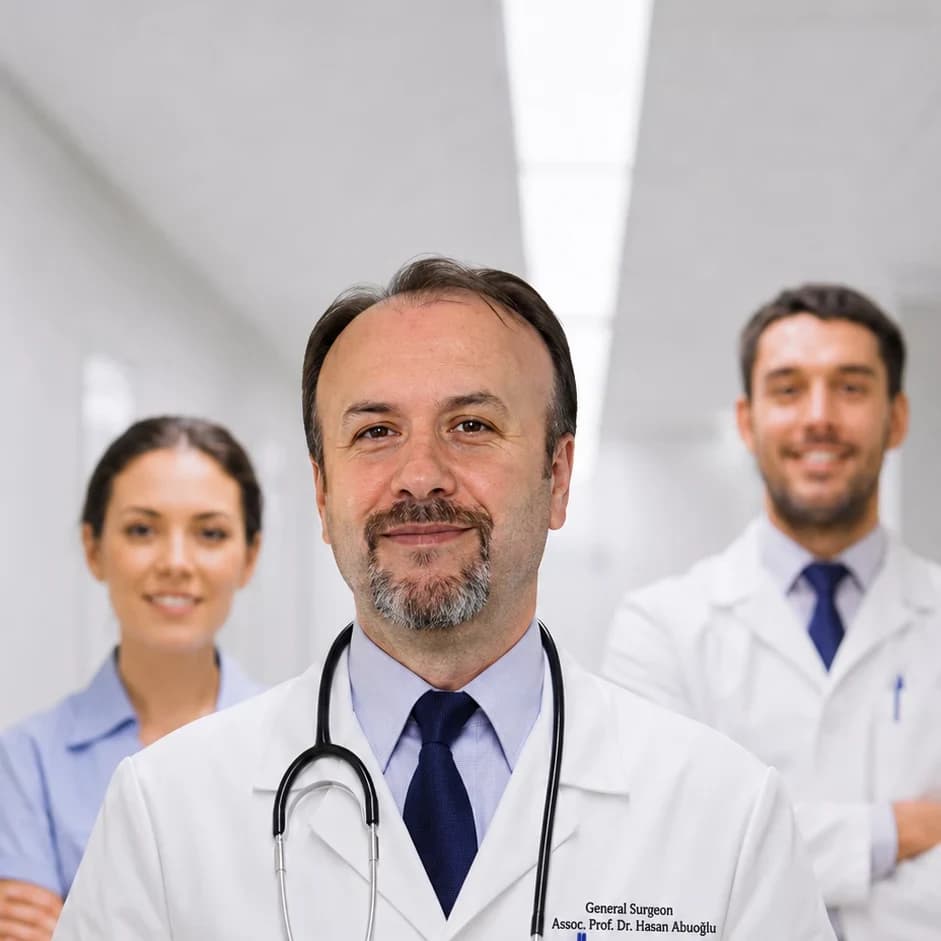
Experienced multidisciplinary team — strong academic background and a high volume of successful procedures.
Accredited partner hospital — treatment in a fully equipped, modern clinical setting.
All-inclusive care — free online consultation, VIP airport transfers, accommodation, interpreter support and follow-up.