Loading...
Loading...
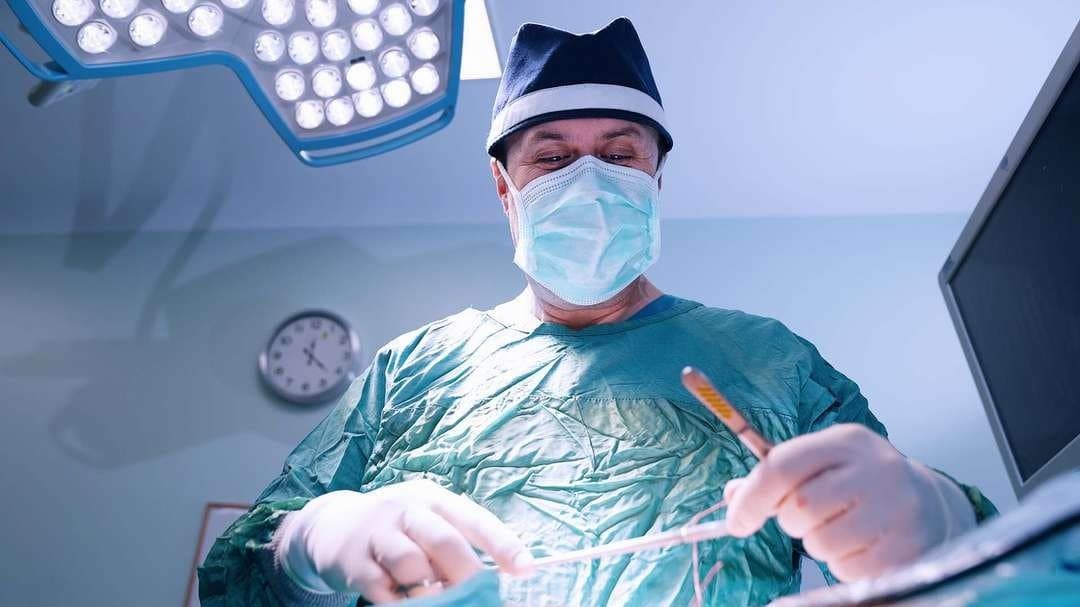
An eyebrow transplant uses fine, single-hair FUE grafts from the scalp to restore thin, over-plucked, scarred or absent eyebrows. Each hair is placed at the very flat angle and exact direction brows need, recreating a natural shape and density that is permanent.
An eyebrow transplant uses fine, single-hair FUE grafts from the scalp to restore thin, over-plucked, scarred or absent eyebrows. Each hair is placed at the very flat angle and exact direction brows need, recreating a natural shape and density that is permanent.
The most common questions about this treatment
Yes, when carefully designed. The result depends on placing each hair at the correct flat angle and following the natural growth direction across the brow, which is why an experienced team and detailed mapping matter.
Yes. Because the follicles come from the scalp, the new brow hairs grow longer than normal brow hair, so light, regular trimming is needed to keep the shape.
Yes. The transplanted follicles are taken from a permanent donor area, so the restored brows are long-lasting — unlike microblading, which fades and needs repeating.
Transplanted hairs shed in the first 2–4 weeks (normal), new growth appears around months 3–6, and the full, natural result is seen at about 12 months.
Most patients stay 2–3 days, covering the design consultation, the procedure and aftercare guidance before flying home.
Explore other bariatric surgery options
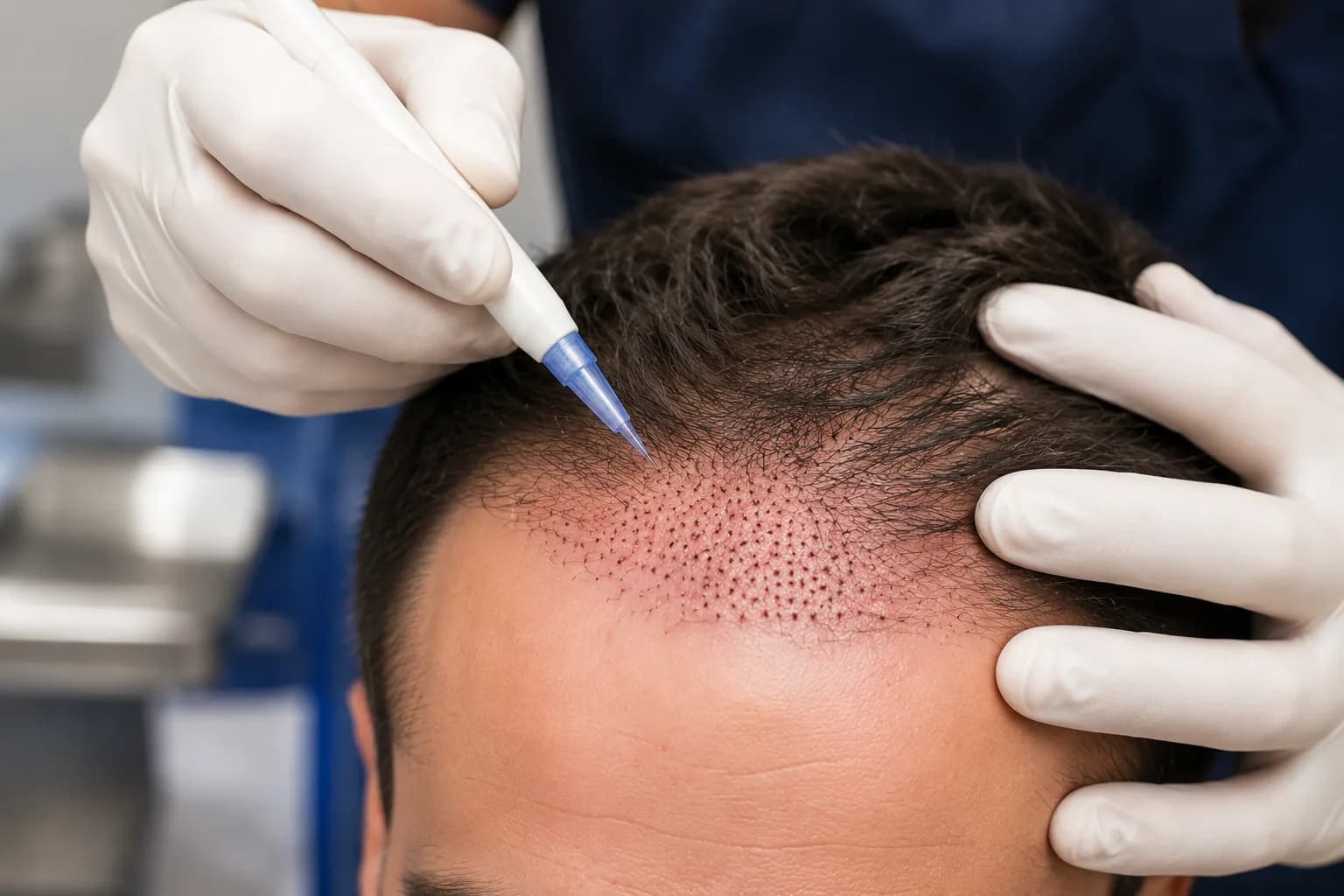
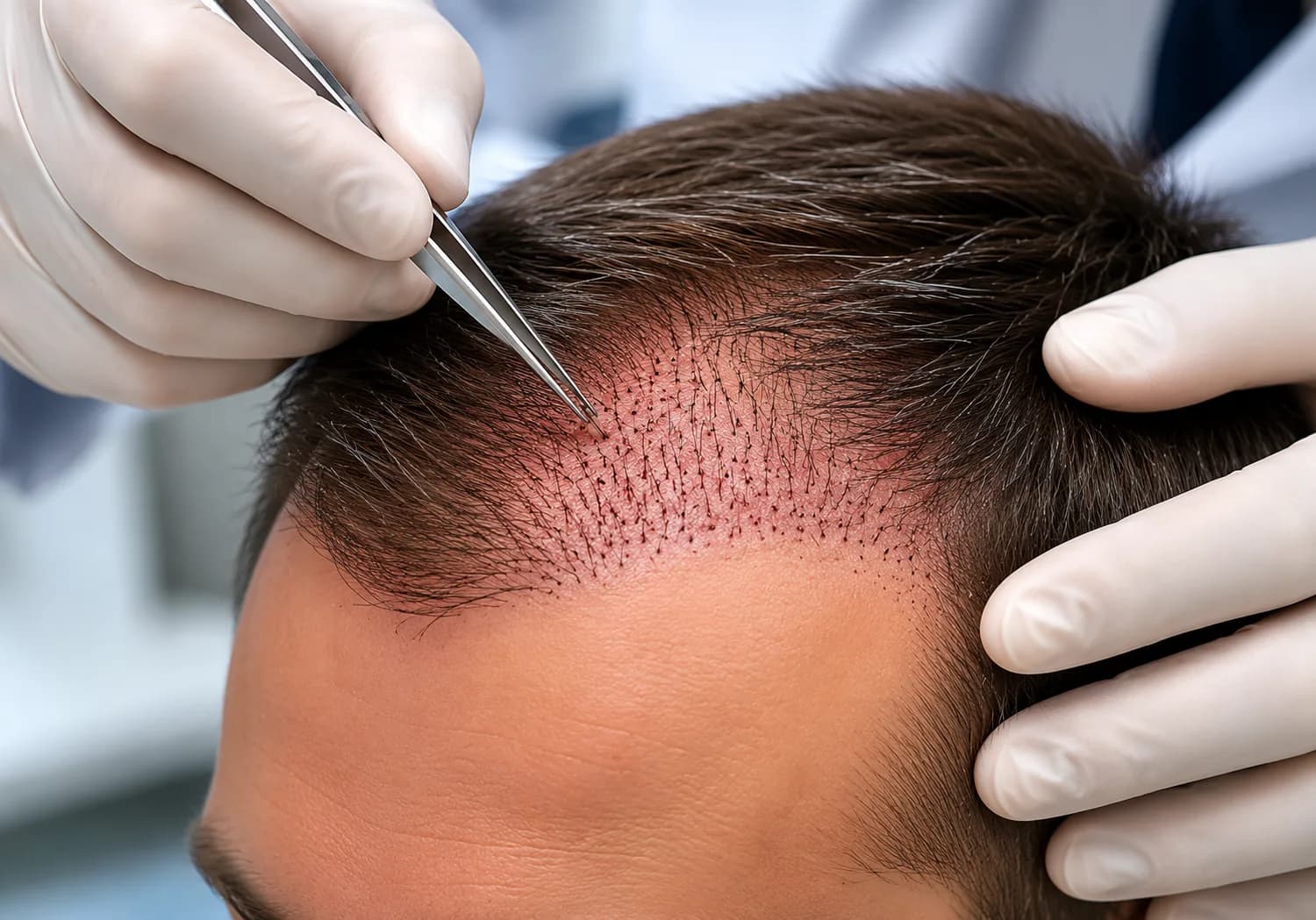
In an eyebrow transplant, individual follicles are harvested from the scalp donor area and implanted into the brows one by one. The art is in the angle — brow hairs lie almost flat — and in following the natural growth pattern across the brow. The result is permanent; because the hair originates from the scalp, it grows and needs occasional trimming.
An eyebrow transplant is performed in a single day under local anaesthesia:
Design — the brow shape and natural hair direction are mapped with you before starting.
Extraction — fine single-hair follicles are harvested from the scalp donor area.
Implantation — hairs are placed at the very flat angle and precise direction brows require.
Aftercare — tiny crusts on the brows settle within days; you receive gentle care guidance.
You may be a suitable candidate if you:
Have thin, patchy, over-plucked or scarred eyebrows
Have lost brow hair through trauma, medical or cosmetic causes
Want a permanent alternative to daily makeup or microblading
Have a healthy scalp donor area
Have realistic expectations and understand brow hair needs trimming
Real patient outcomes from Marmara Health Center
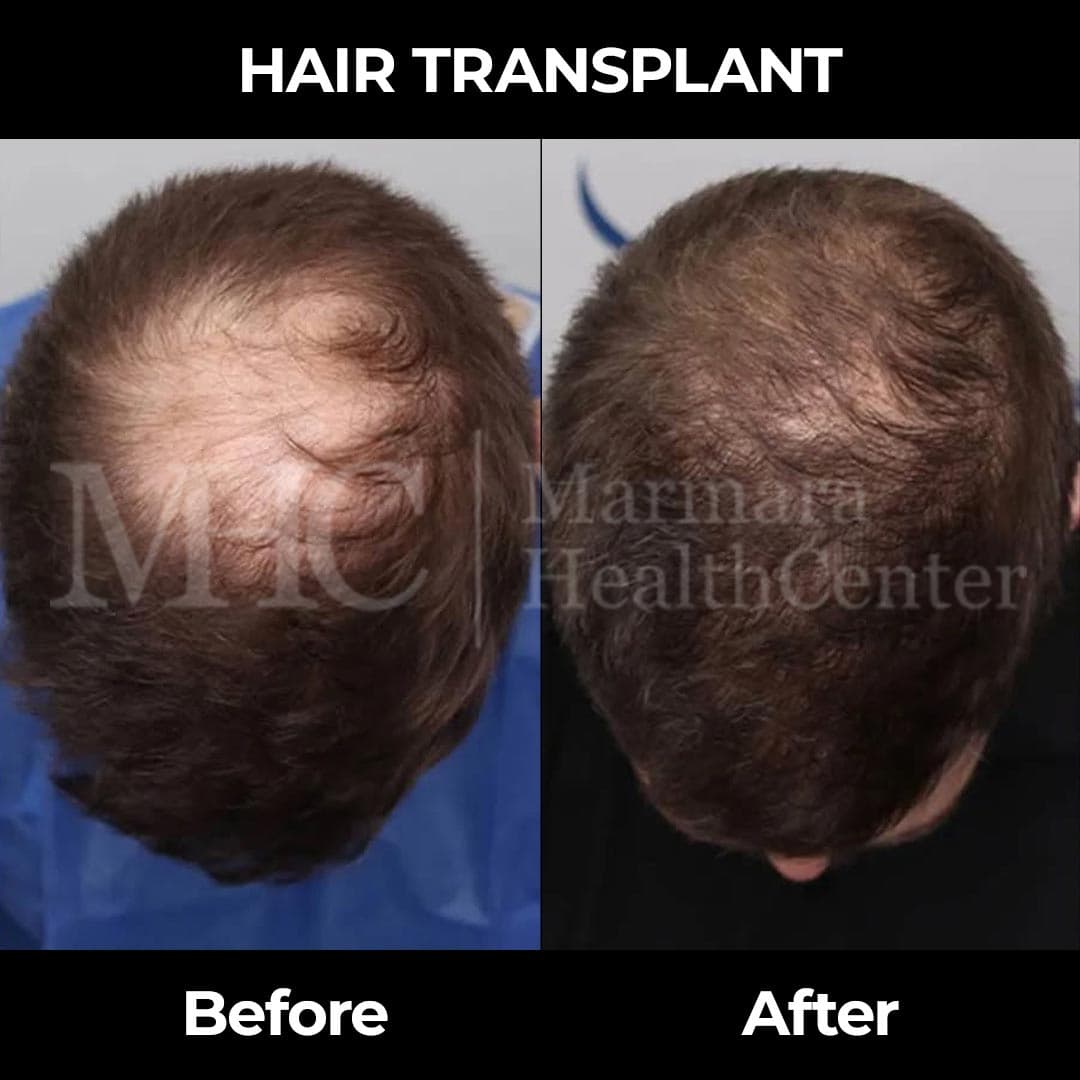
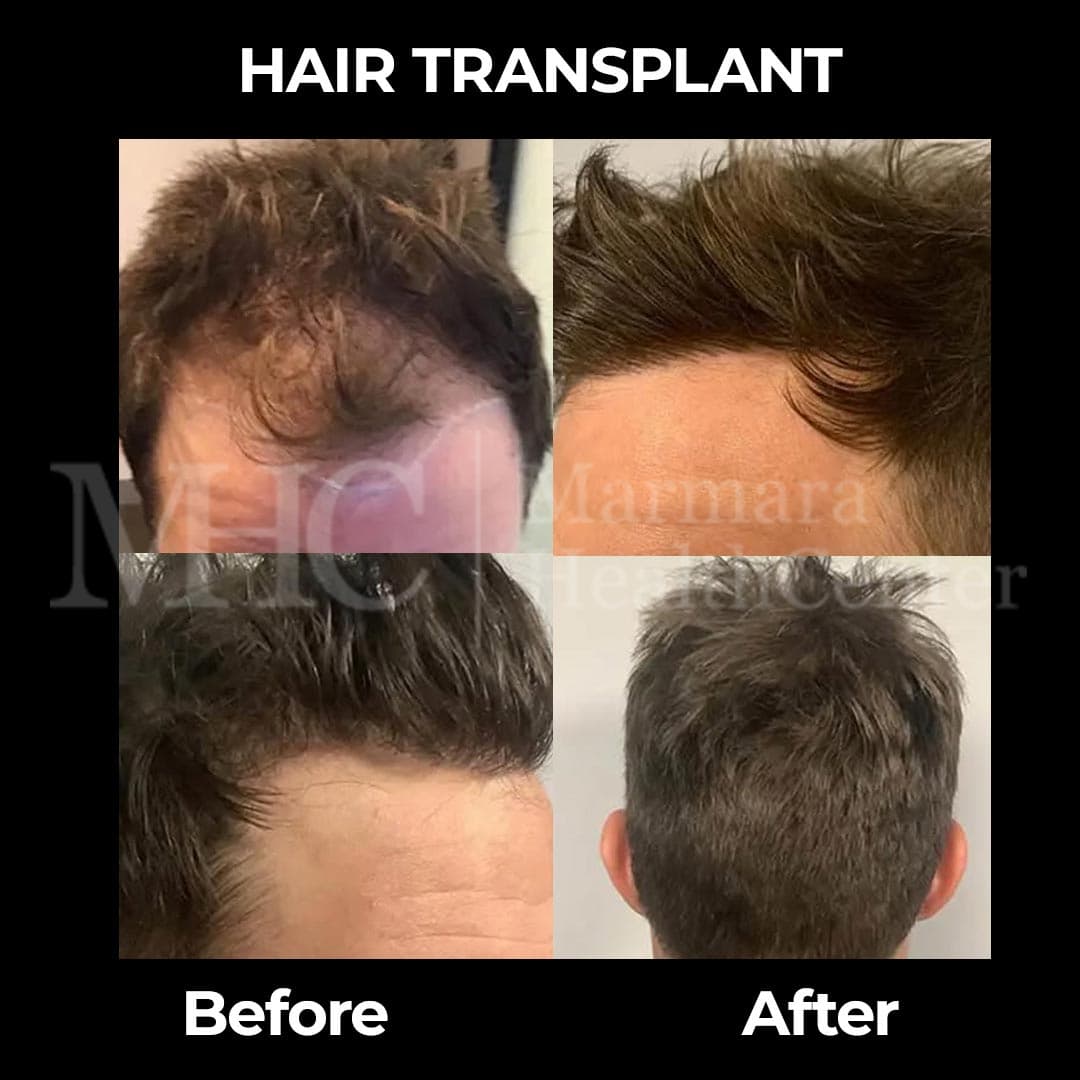
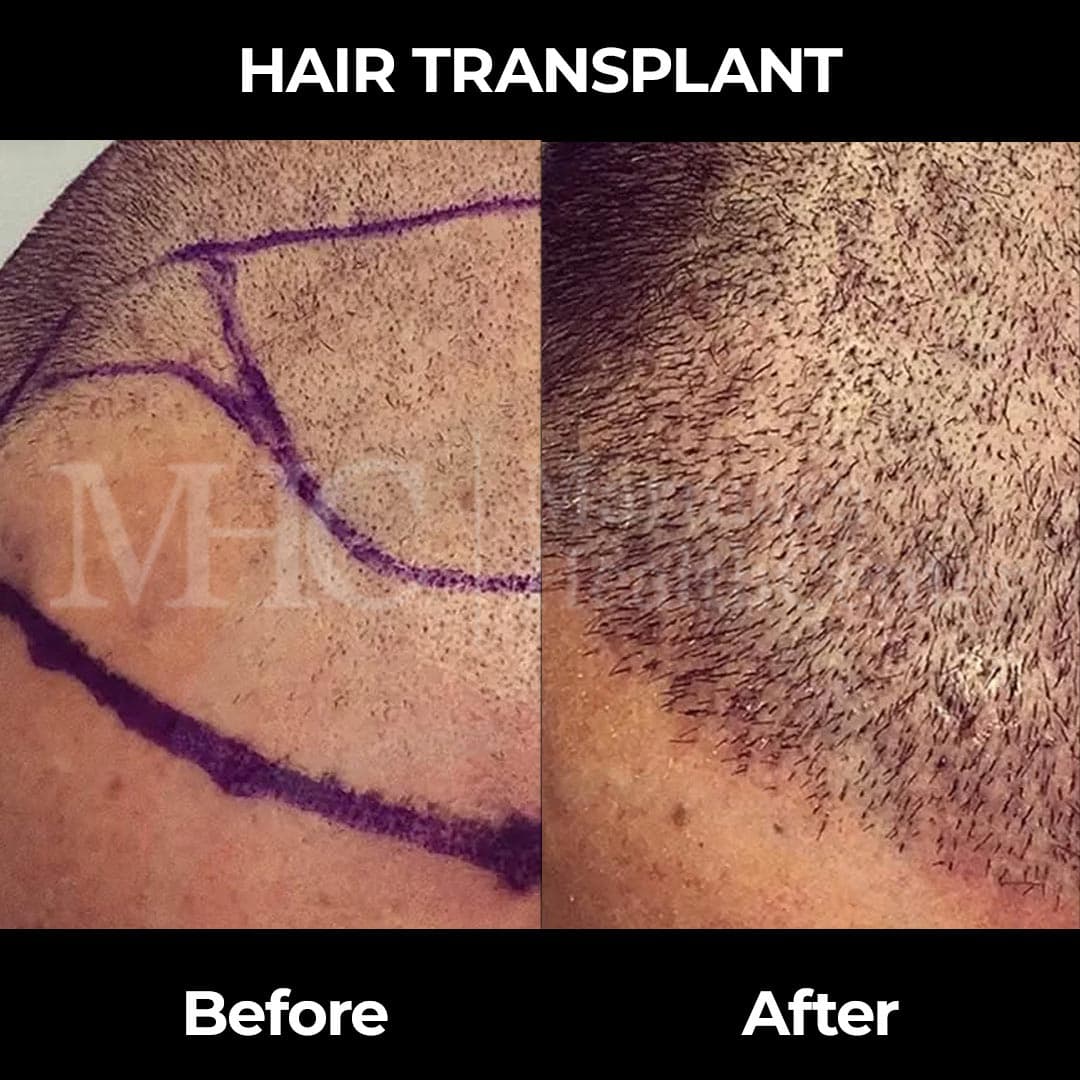
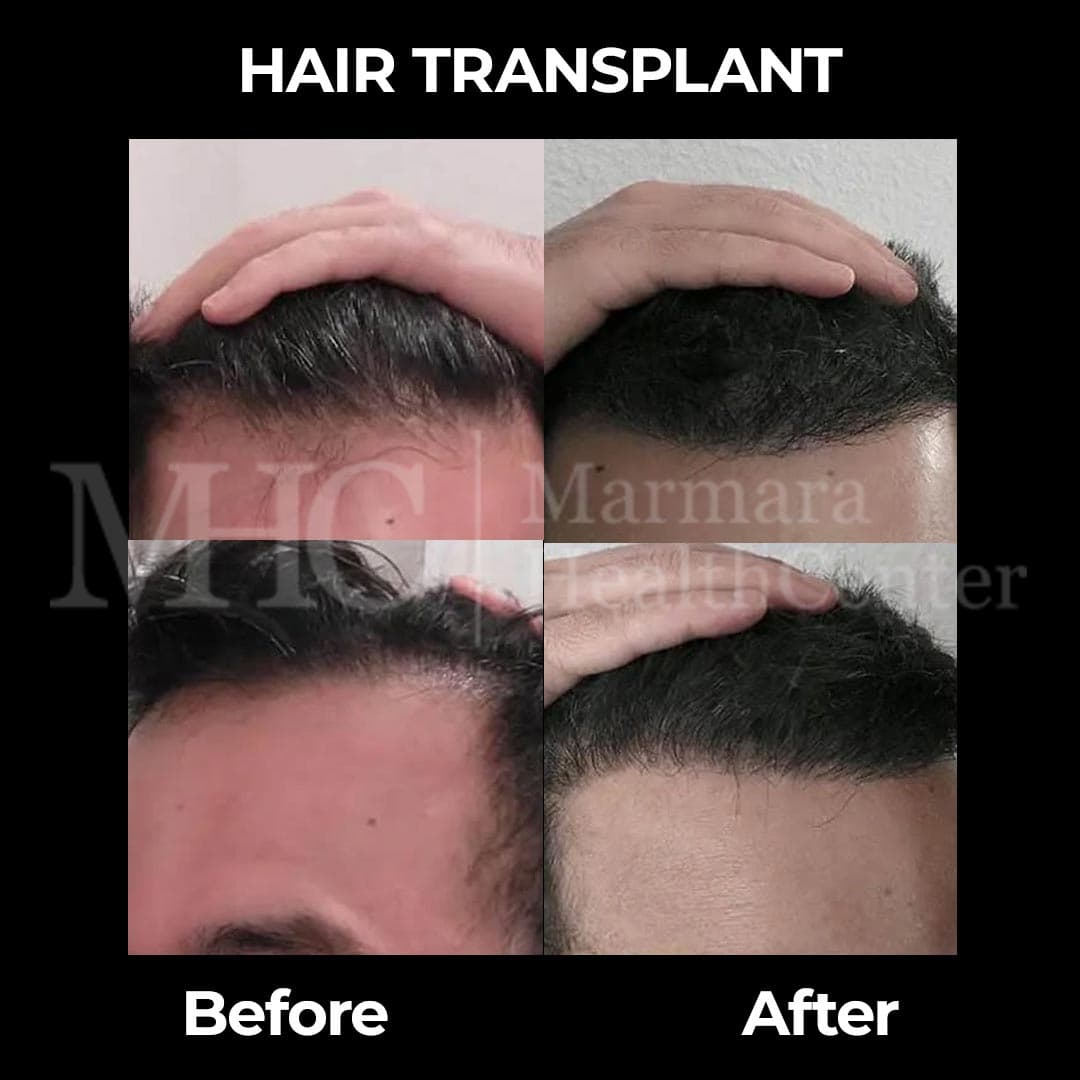
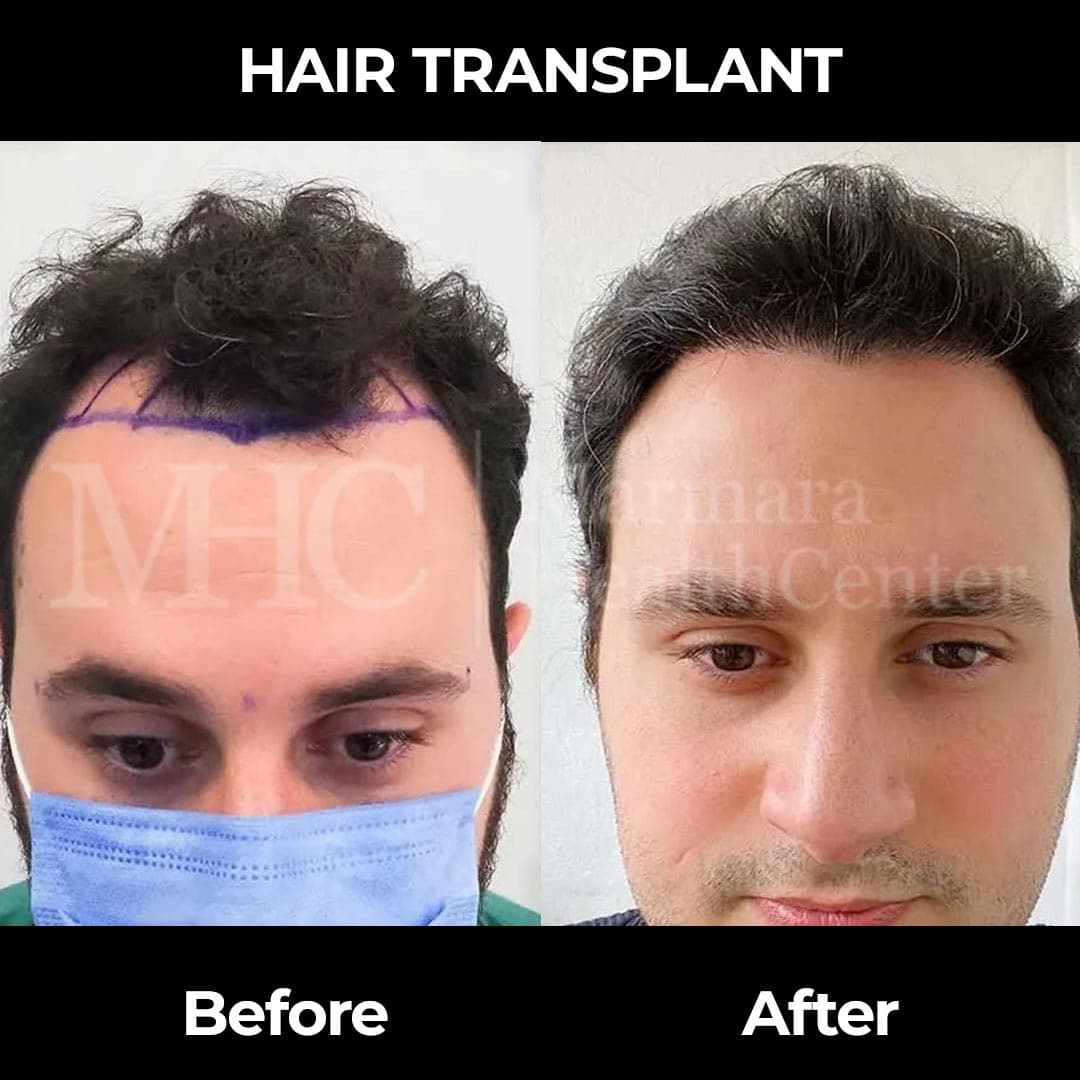
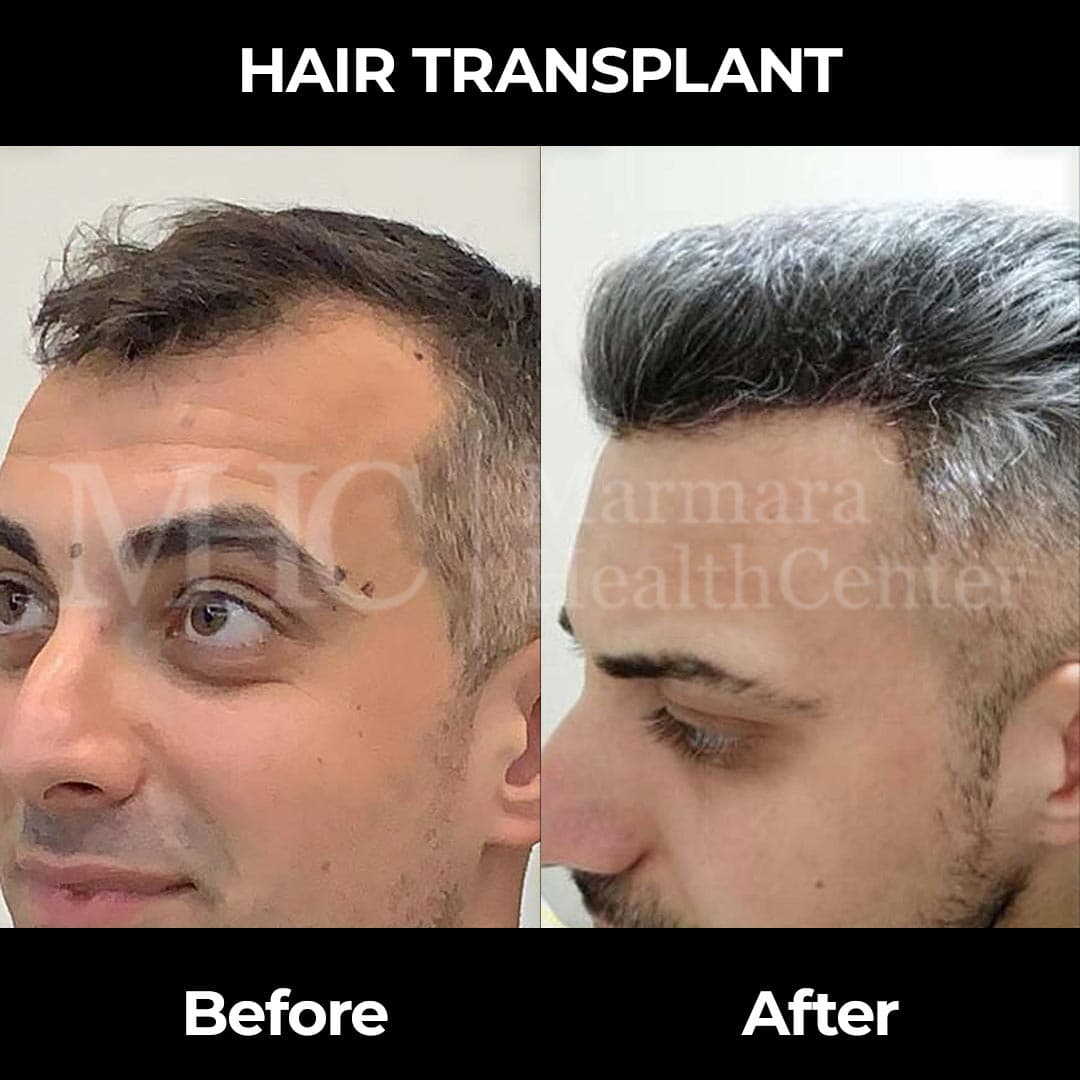
Tiny crusts and redness on the brows; back to routine for most
Crusts clear; gentle care as instructed
Transplanted hairs shed (normal shock loss)
New brow hair grows in
Full, natural result
Because the grafts come from the scalp, the new brow hairs grow longer than natural brow hair and need light, regular trimming to keep their shape.
An eyebrow transplant is minimally invasive under local anaesthesia, with uncommon serious complications. Possible effects include temporary redness, small crusts, swelling and temporary shedding of the transplanted hairs. Rare risks include infection or an unnatural shape or direction if not carefully designed — eyebrow work is delicate, so an experienced team and precise planning are especially important.
Ministry-authorised health tourism — operating under the Republic of Türkiye Ministry of Health Health Tourism Authorization Certificate and a member of Health Türkiye.
Experienced multidisciplinary team — strong academic background and a high volume of successful procedures.
Accredited partner hospital — treatment in a fully equipped, modern clinical setting.
All-inclusive care — free online consultation, VIP airport transfers, accommodation, interpreter support and follow-up.
For detailed information about our aesthetic, hair, dental and bariatric treatments, please use the contact channels below. Initial consultations for international patients can be arranged remotely via video call or WhatsApp.